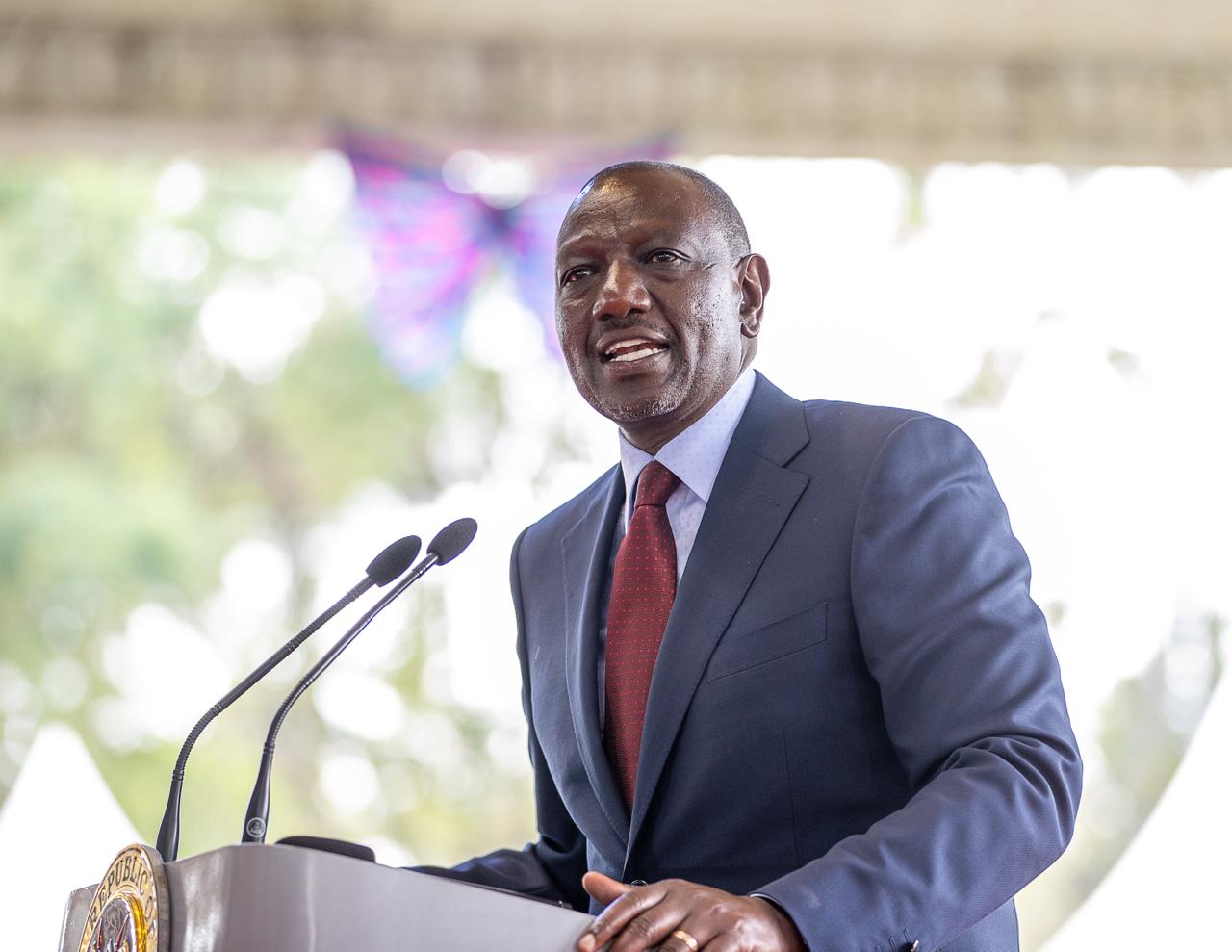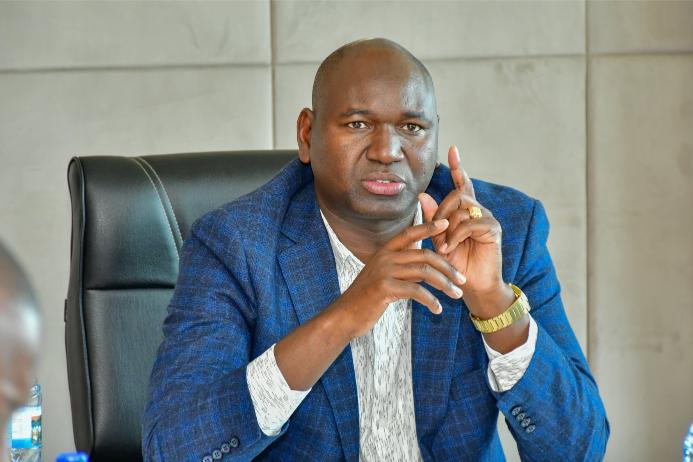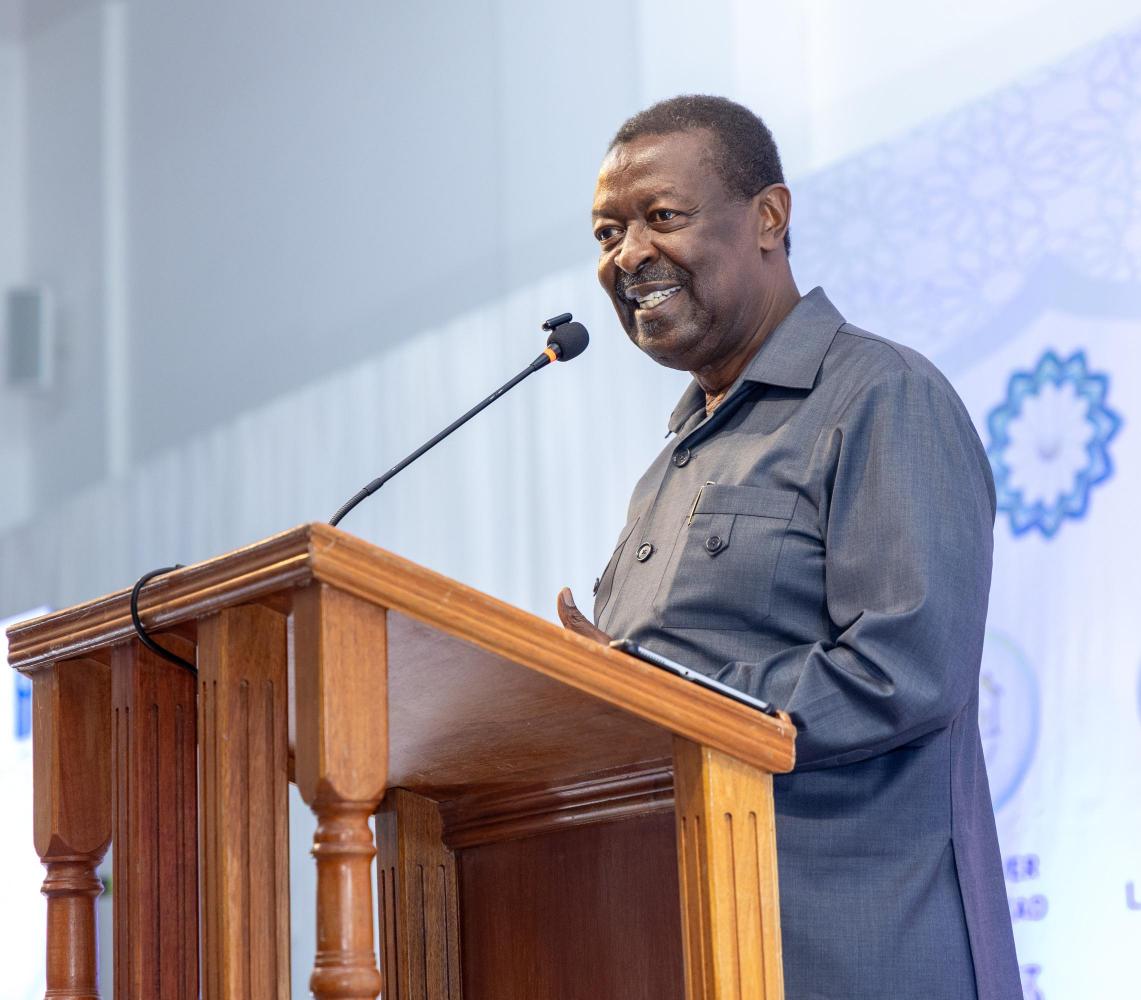
Prime Cabinet Secretary Musalia Mudavadi has defended President William Ruto’s vision of steering Kenya toward a Singapore-style development path, saying the idea represents a practical ambition rather than an unreachable dream for the country.
Mudavadi said the government is laying down policies, priorities and frameworks aimed at reshaping Kenya into a high-income economy that can compete globally, drawing lessons from Singapore’s rise through discipline, planning and openness to global standards.
He stressed that progress will depend on collective effort, creativity and a shared willingness to plan beyond short-term thinking.
“We have to work towards it; we have to get in together and pull in ideas. We have to dream, and then figure out how to make those dreams a reality. To do that we have to plan.” said Mudavadi.
The Prime Cabinet Secretary said the ongoing public debate around the Singapore model is healthy, especially as Kenya heads into 2026, three years after the Kenya Kwanza administration took office. He said questioning, debating and refining ideas is part of building a strong national vision.
Mudavadi was speaking at the launch of Vision 100 by the International Memon Organization East Africa chapter, a global non-profit organization that promotes resilience, self-empowerment, unity and community uplift through education, health, humanity, business and awareness.
He challenged Kenyans who dismiss the idea of matching Singapore’s success, saying history shows that bold visions often face ridicule before becoming reality.
“Kenyans are throwing jokes and saying what is all this about, we will never become like Singapore. But if there are people here thinking of vision 100 and you have benchmarked on history that in 1830 there was someone who had a vision, then it is clear if Kenyans can conceptualize the vision 100 then it is possible you can have a Singapore target and surpass that target.” noted the Prime CS.
Reflecting on his time at the Treasury as finance minister, Mudavadi recalled efforts by the government to seek global expertise to upgrade the Port of Mombasa. Singapore was identified as a potential partner because of its strong reputation in port efficiency and modernization.
He said the move faced resistance from within, and the opportunity was eventually lost, a decision he believes continues to haunt the country decades later.
“I was leading a delegation, to go and bring interaction with the port of Singapore, but believe you me, the people who are criticizing the concept today, about the vision of Singapore, actually existed even at that time. Because there was war, that why is Kenya talking to Singaporeans, to improve their port and we were supposed even to sign an MOU, so that the Kenyan port of Mombasa can work with the port of Singapore, on a strategy of modernization, improvement and efficiency.” Mudavadi regretted.
Mudavadi warned that Kenya often undermines its own development by rejecting outside ideas and expertise, saying this inward approach risks locking the country into slow growth.
“Believe it or not Kenyans chased away the Singaporeans. It is now about 30 years ago and they said we don’t want this. Here we are again over 30 years later, still saying, you don’t want to work and benchmark with better standards. I am glad in this room, I am addressing a community that has a different alternative that is talking about vision 100, a vision beyond Singapore.” he noted.
He said Kenya must deliberately learn from countries that have succeeded, rather than closing itself off from global experiences.
“Kenya will not grow if we continue as an inward-looking people. We must get ourselves to see the examples, the developments and the best practices that are taking place in other countries,” the Prime CS added.
Experts say sustaining Kenya’s growth path will require consistent focus on sound public finance, including controlled borrowing mainly for long-term infrastructure, building national savings, and attracting private capital through structured infrastructure funds.
They also emphasize the need for strict action against corruption and respect for the rule of law, where systems work efficiently and public institutions are accountable. In addition, experts argue that long-term planning, efficient public service delivery and an improved business environment beyond election cycles remain central to Kenya’s development goals.