The government has unveiled sweeping tax and regulatory reforms for agricultural exporters under the Finance Bill 2026 set to be tabled in Parliament in March, aimed at boosting Kenya’s export-led growth and restoring confidence in the sector.
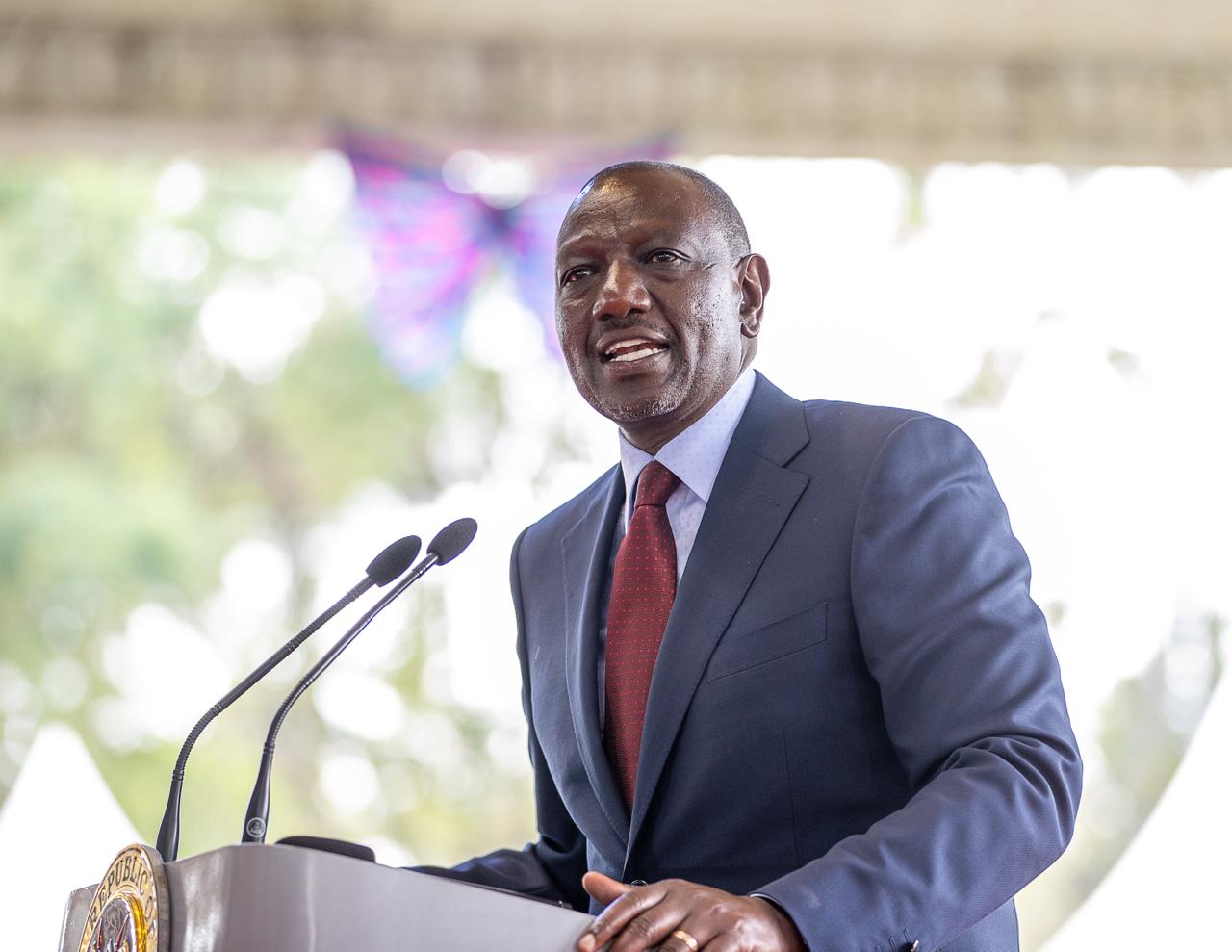
Agriculture Cabinet Secretary Mutahi Kagwe said the proposed measures are intended to ease cash-flow pressures, unlock reinvestment, and address long-standing concerns by exporters over delayed VAT refunds and high levies that have constrained growth.
“The measures are designed to ease cash flow pressures, unlock reinvestment and restore exporter confidence after years of delayed VAT refunds and high levies,” Kagwe said.
Among the key proposals in the Finance Bill 2026 is a reduction of input VAT from 16 per cent to 8 per cent, a move expected to significantly lower production costs for exporters.
The government also plans to remove excise duty and export promotion levies on packaging materials, further easing the burden on firms involved in value-added exports.
To address liquidity challenges, the reforms will fast-track VAT refunds through offsetting mechanisms and grant long-standing 100 per cent exporters treatment similar to Export Processing Zones (EPZs) and Special Economic Zones (SEZs). This would eliminate VAT on local purchases, aligning domestic sourcing with export competitiveness.
Kagwe said the reforms would also expand air freight capacity through Kenya Airways and new international carriers, improving access to global markets for time-sensitive agricultural exports such as flowers, fruits, and fresh produce.
He made the remarks during the launch of Flamingo Group Investments’ Sh2 billion expansion project in Naivasha, which is expected to create 500 new jobs and increase value-added flower production for export to Europe and the United Kingdom.
The CS confirmed that the government has already paid Sh470 million of Flamingo’s Sh1.8 billion VAT refund backlog, with further disbursements scheduled.
“We have begun settling outstanding VAT refunds, and more payments will follow,” he said.
The reforms are expected to unlock billions of shillings in stalled exporter capital and accelerate investment across horticulture, tea, coffee, and livestock value chains.
Officials say the measures will strengthen Kenya’s competitiveness in global markets and reinforce its position as Africa’s leading horticultural powerhouse.