Analyst: MPs who avoid Finance Bill 2026 voting should not seek re-election
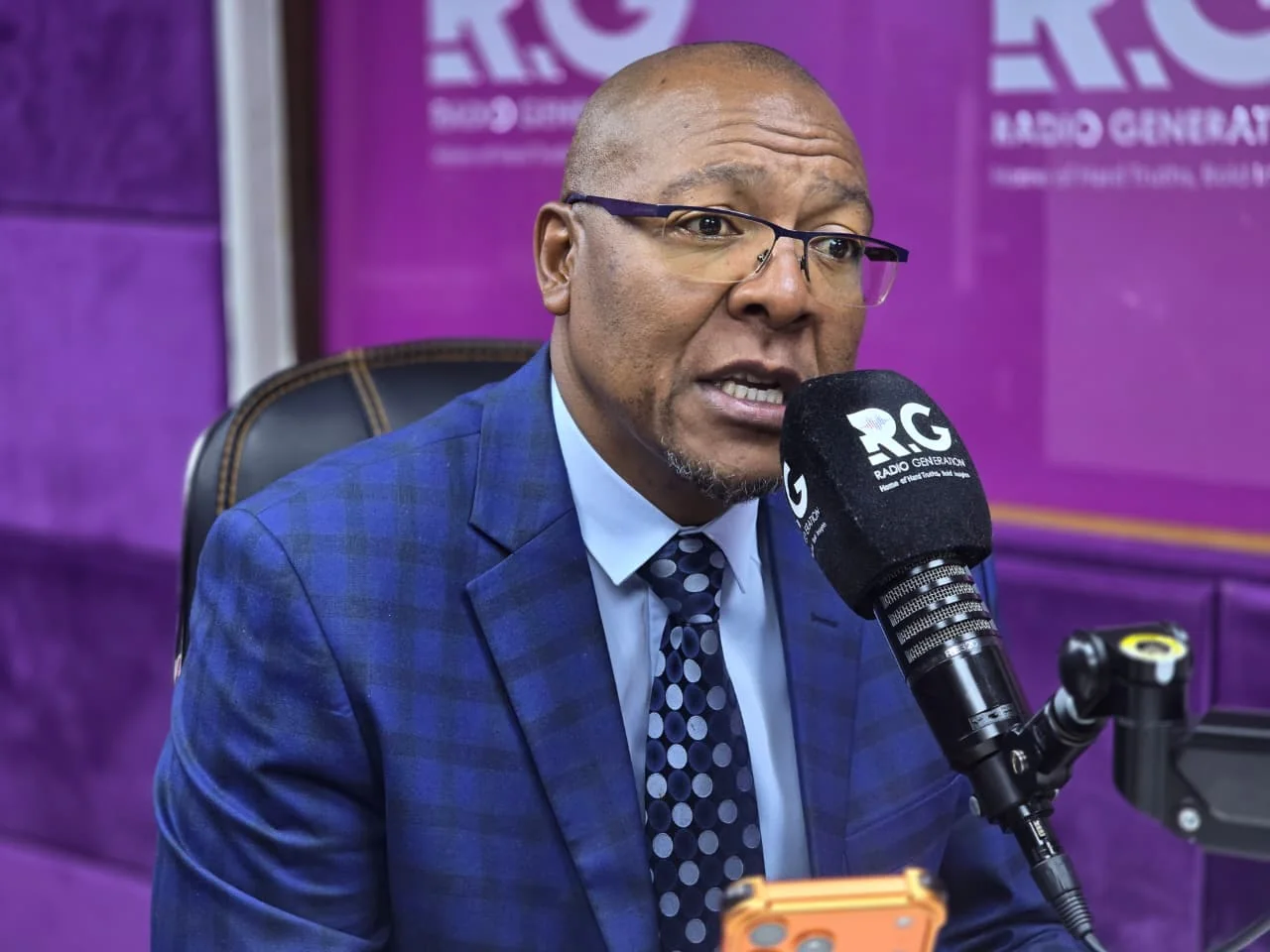
Speaking on Radio Generation on Monday, Kinuthia said lawmakers should take clear positions on major national issues rather than sidestep politically sensitive votes.
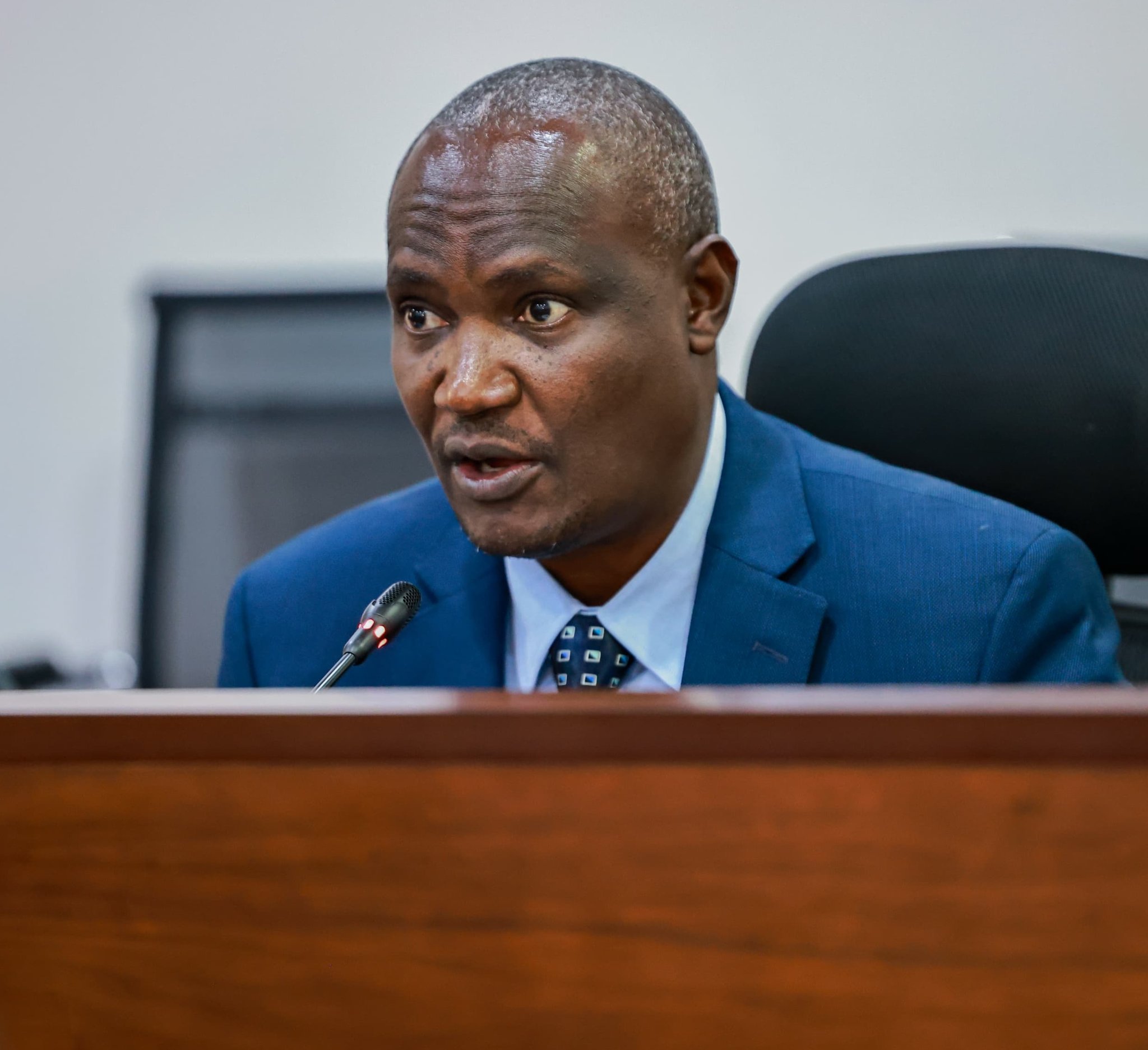
Deputy government spokesperson explained that some narratives presented during the debate were inaccurate and contributed to confusion about the actual contents of the Finance Bill 2026
Speaking on Radio Generation on Wednesday, Muthuma argued that many Kenyans had formed opinions on key government policies without directly interacting with them.
The law is tied to the Sh4.8 trillion national budget for the 2026/27 fiscal year, which the government aims to finance through the measures outlined in the Bill.
The Finance Bill 2026, proposed several tax changes, including a deemed 5% tax on imported second-hand clothing (mitumba) based on customs value, which traders would pay at the point of importation
The National Treasury had first proposed a specific excise duty of Sh7.5 per kilogram on imported sugar, with exemptions for sugar meant for pharmaceutical use and licensed refiners.
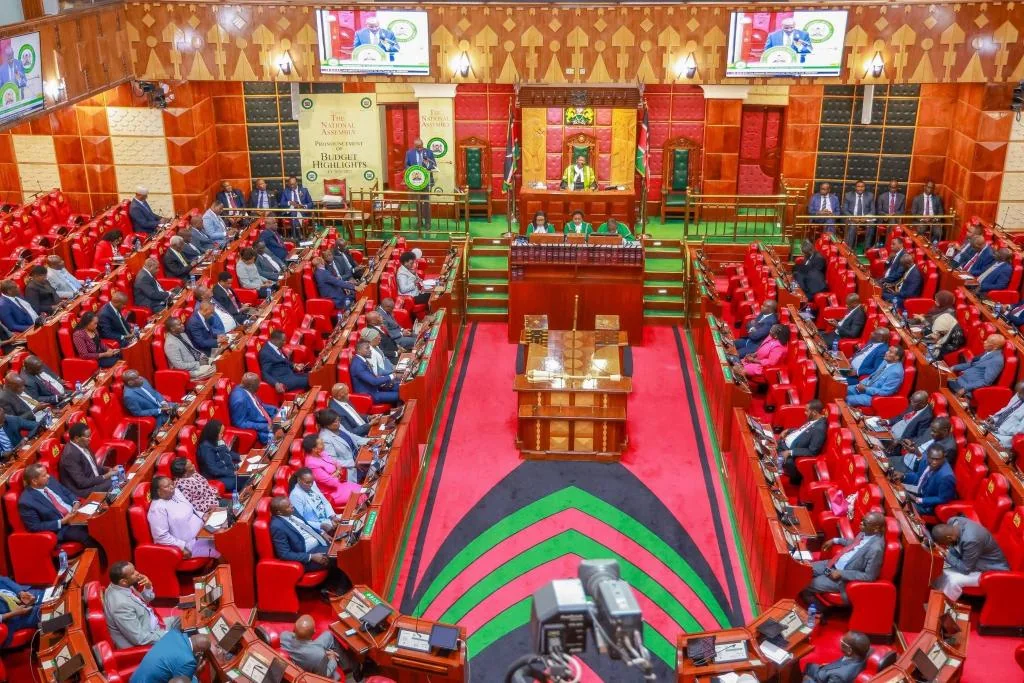
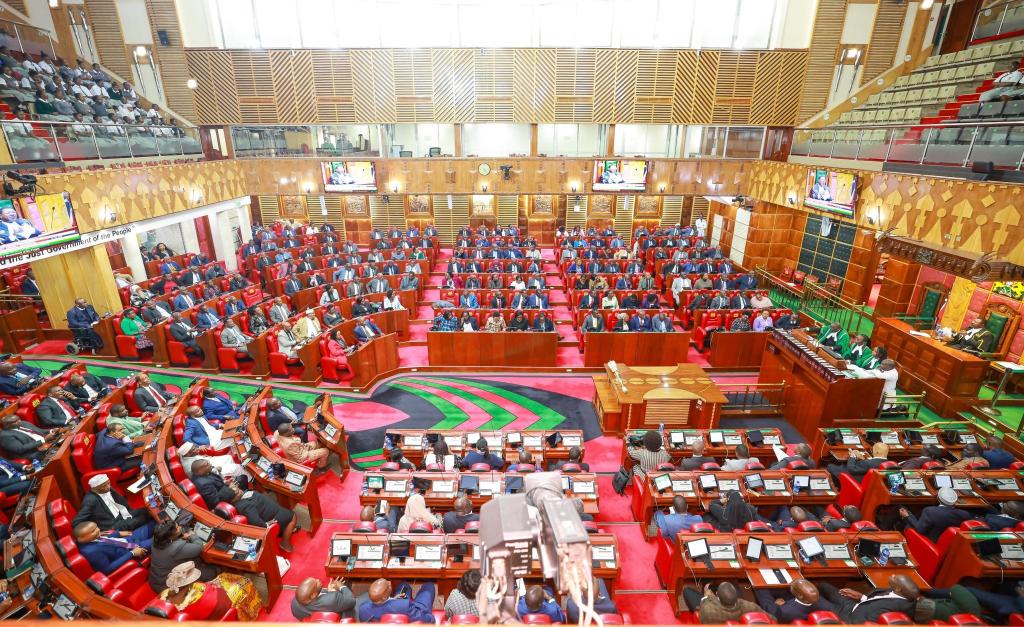
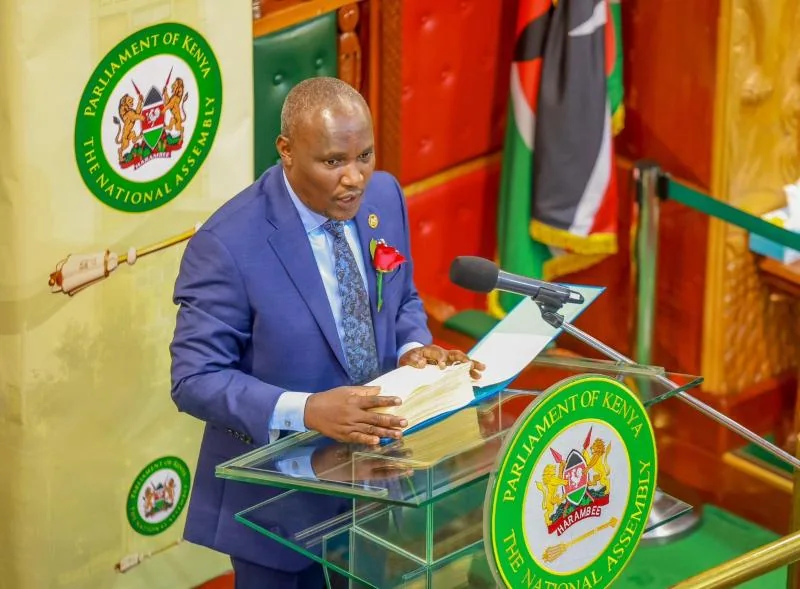
The National Assembly passed the Finance Bill, 2026, in its Third Reading with 122 votes in favour against 40 nays. The vote is among efforts by the government to fund the Sh4.8 trillion budget for the 2026-27 fiscal year.
The Finance Bill, 2026 was approved in the National Assembly after 122 MPs backed it, 40 rejected it, and none abstained. However, a much larger number, 187 MPs including Nyoro, were not present during the vote, raising concern over attendance during a critical economic decision.
Although the National Assembly has 349 members, the voting pattern has become more fluid due to political realignments that blur party lines.
The Senator argued that the Bill, in its current form, places locally assembled products at a disadvantage by making imported finished goods cheaper while increasing the cost of local production
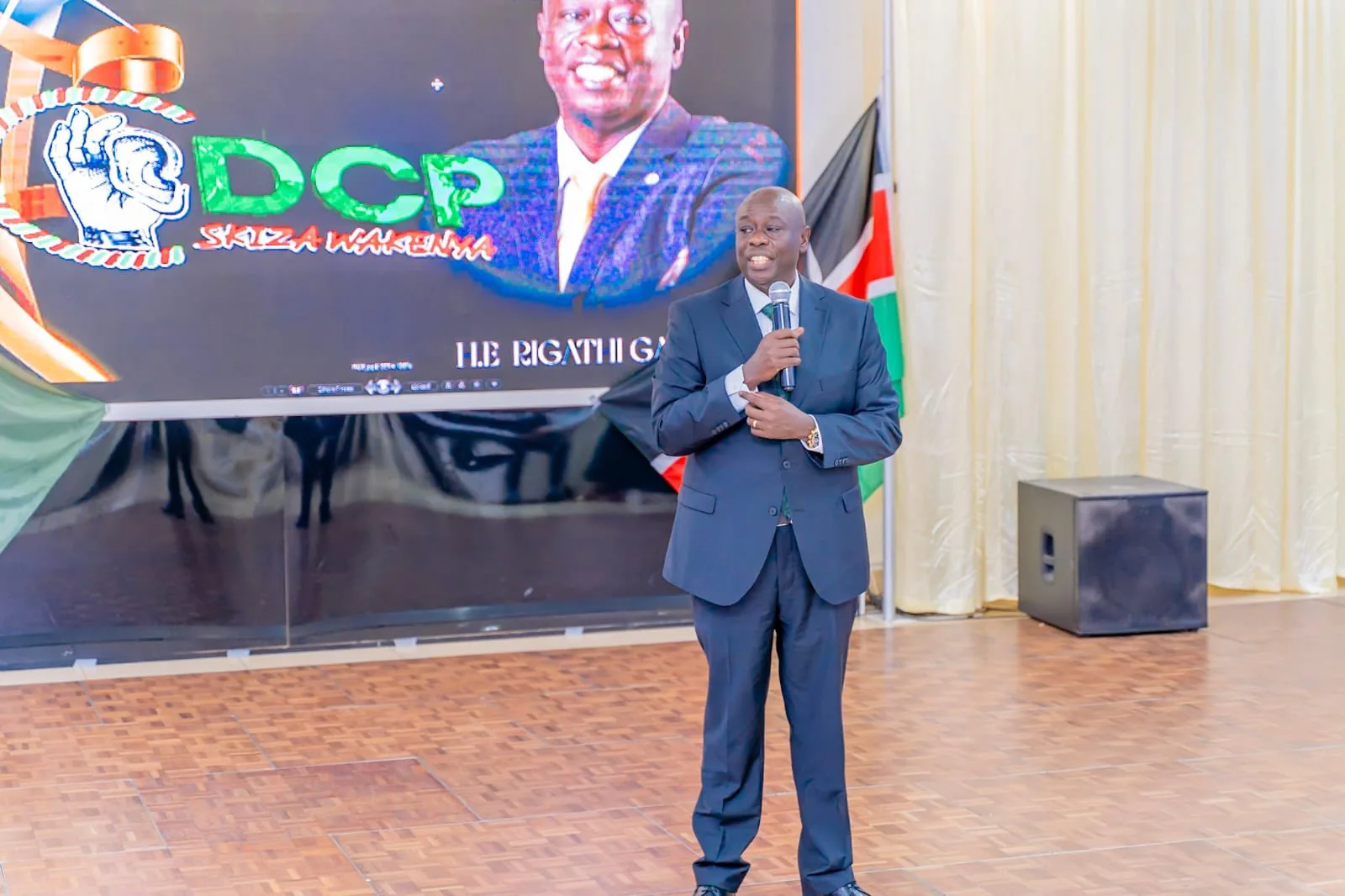
Gachagua also cautioned that MPs who skip the vote would be seen as taking a position against the interests of ordinary citizens, arguing that absence in such a decision cannot be neutral
National Treasury says Finance Bill 2026 will amend the Tax Procedures Act so collection for Commissioner-favourable judgments only stops with a stay order. Business leaders and tax experts warn it may pressure firms during ongoing tax appeals and tribunal processes.
Ogada explained that the Finance Bill, 2026 appears to target imported goods more broadly, a move that effectively places imported Mitumba clothing in the same policy environment as other foreign products
Wetang’ula emphasized that the Constitution does not place any obligation on the President to attend the budget presentation, noting that the process is handled by the National Treasury and Parliament.
The State Department for Housing has asked Parliament to amend the Finance Bill, 2026, to allow KRA to recover unremitted Affordable Housing Levy deductions as civil debt. Affordable Housing Board officials cite enforcement gaps and unpaid amounts exceeding Sh100 billion.
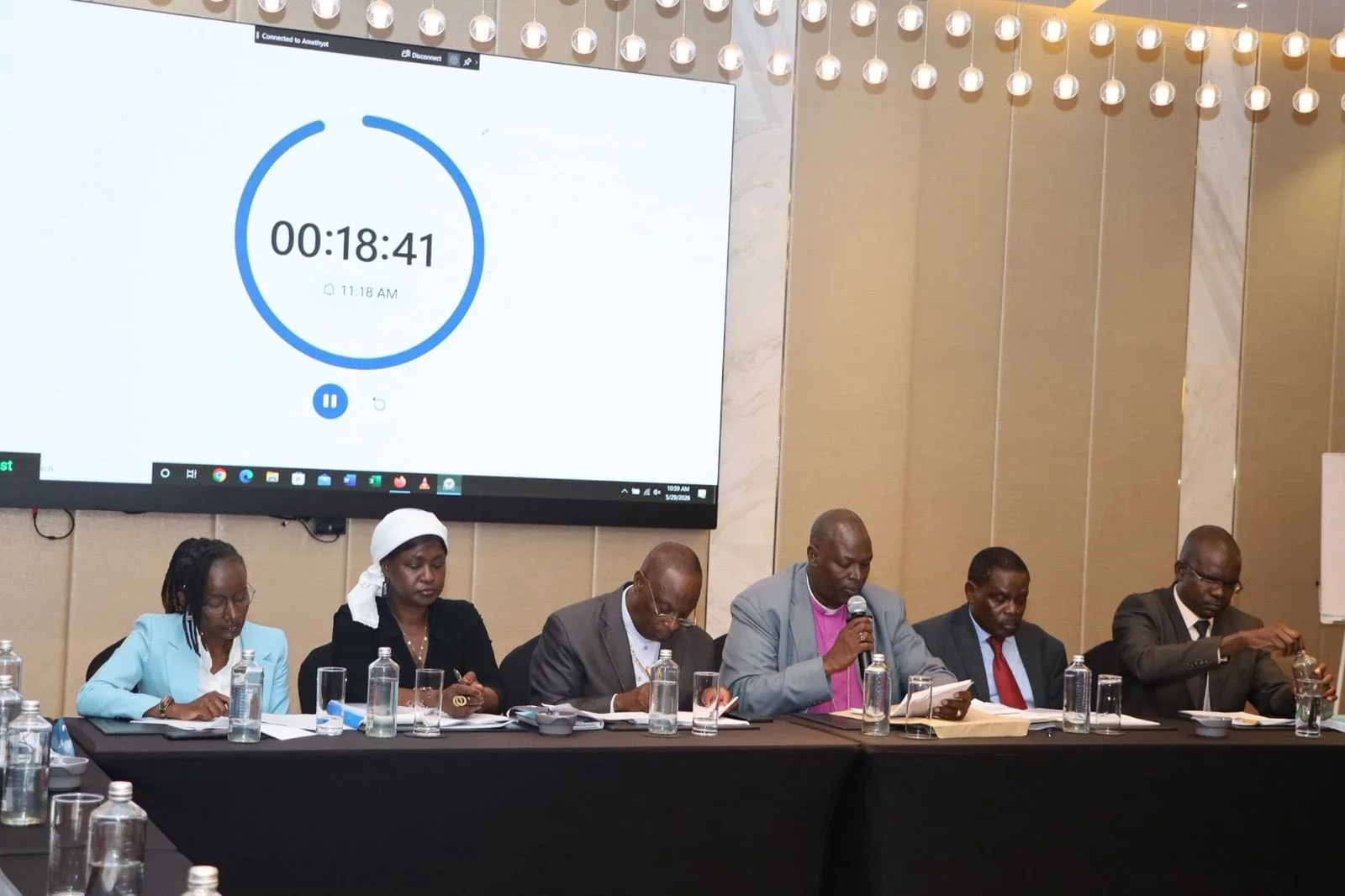
Appearing before the National Assembly Committee on Finance and National Planning during public hearings on the Finance Bill, 2026, the Affordable Housing Fund Board defended the controversial housing levy, sought expanded enforcement powers for the Kenya Revenue Authority (KRA), and pushed back against proposed tax changes that it warned could sharply increase the cost of houses.
Some participants also raised objections to taxes on betting winnings, saying such earnings are relied upon by many households as a source of income and should not be further reduced through additional deductions.
Led by civil society leader Rashid James, residents said civic education should be integrated into the process before members of the public are asked to give their views on proposed legislation.
Rigathi Gachgua argued that the government's projected expenditure of Sh4.82 trillion was disconnected from the realities facing ordinary citizens
The coalition said the government's approach to the issue had been marked by secrecy and inadequate public engagement at a time when citizens expected clear communication and reassurance.
In a notice issued on May 30,2026, Parliament said the Finance and National Planning Committee will hold public hearings between June 2 and June 8 as required under Article 118(1)(b) of the Constitution.
Rather than introducing additional taxes, the Church proposed stronger enforcement and anti-corruption interventions aimed at maximizing existing revenues and curbing financial leakages.
The regulator raised concerns that enforcing tax on non-cash rewards would be impractical under existing systems. It pointed to prizes such as household goods, electronics, shopping vouchers, spa treatments and car servicing, saying these fall outside easy tax tracking mechanisms.
KEPSA said the Finance Bill comes at a time when Kenya’s fiscal situation remains under pressure, with the National Treasury targeting Sh3.38 trillion in ordinary revenue collection for the 2025/2026 financial year. At the same time, businesses continue to face high production and operational costs.
Addressing the media on Monday , the CS said the government was correcting widespread misunderstanding of the proposals and insisted that many controversial measures circulating in public debate do not appear in the current Bill.
Parliament described the reports as false and misleading, insisting the Bill has no clauses related to land ownership or land rent. It also denied claims that a separate law on freehold land conversion had been passed or signed.
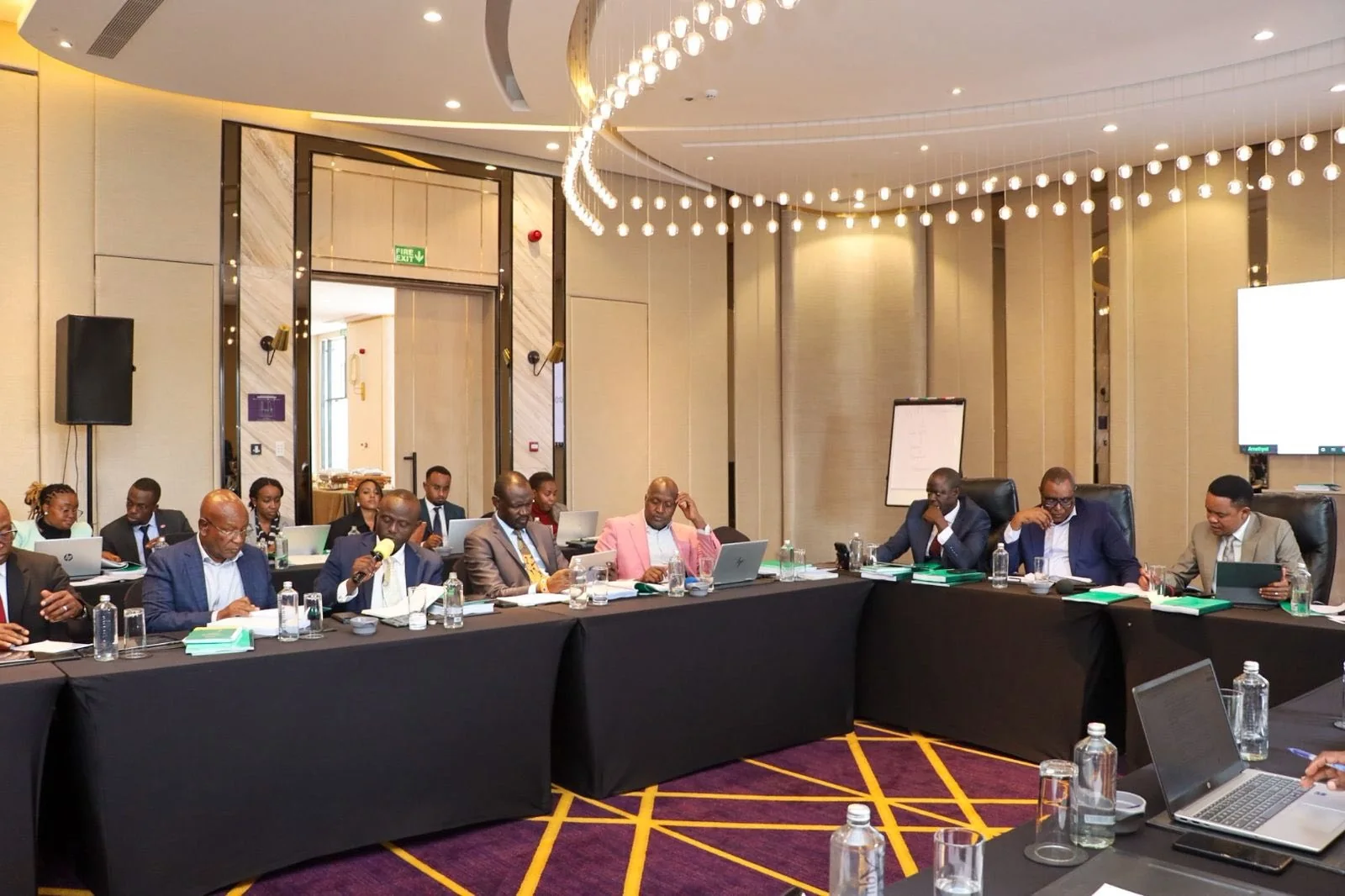
The National Assembly’s Finance and National Planning committee has started public stakeholder engagements on the Finance Bill, 2026. Consultations run until May 29 as Parliament seeks views on proposed tax measures expected to raise about Sh117 billion.
The proposed Finance Bill,2026 is set to introduce several tax adjustments aimed at widening revenue collection without introducing major new taxes.
Speaking during a Radio Generation interview on Monday, Otieno defended discussions around wealth tax, transparency, and accountability, arguing that Kenya’s taxation challenges are tied to weak public trust, poor service delivery, and limited transparency in public finance management.
Speaking during a press briefing in Nairobi on Monday, the CS said reforms such as a simplified “mitumba” tax regime, reduced phone import taxes, and a shift in filing timelines are aimed at easing business costs, improving efficiency, and boosting revenue collection rather than raising prices, stressing that “there is miscommunication around this.”