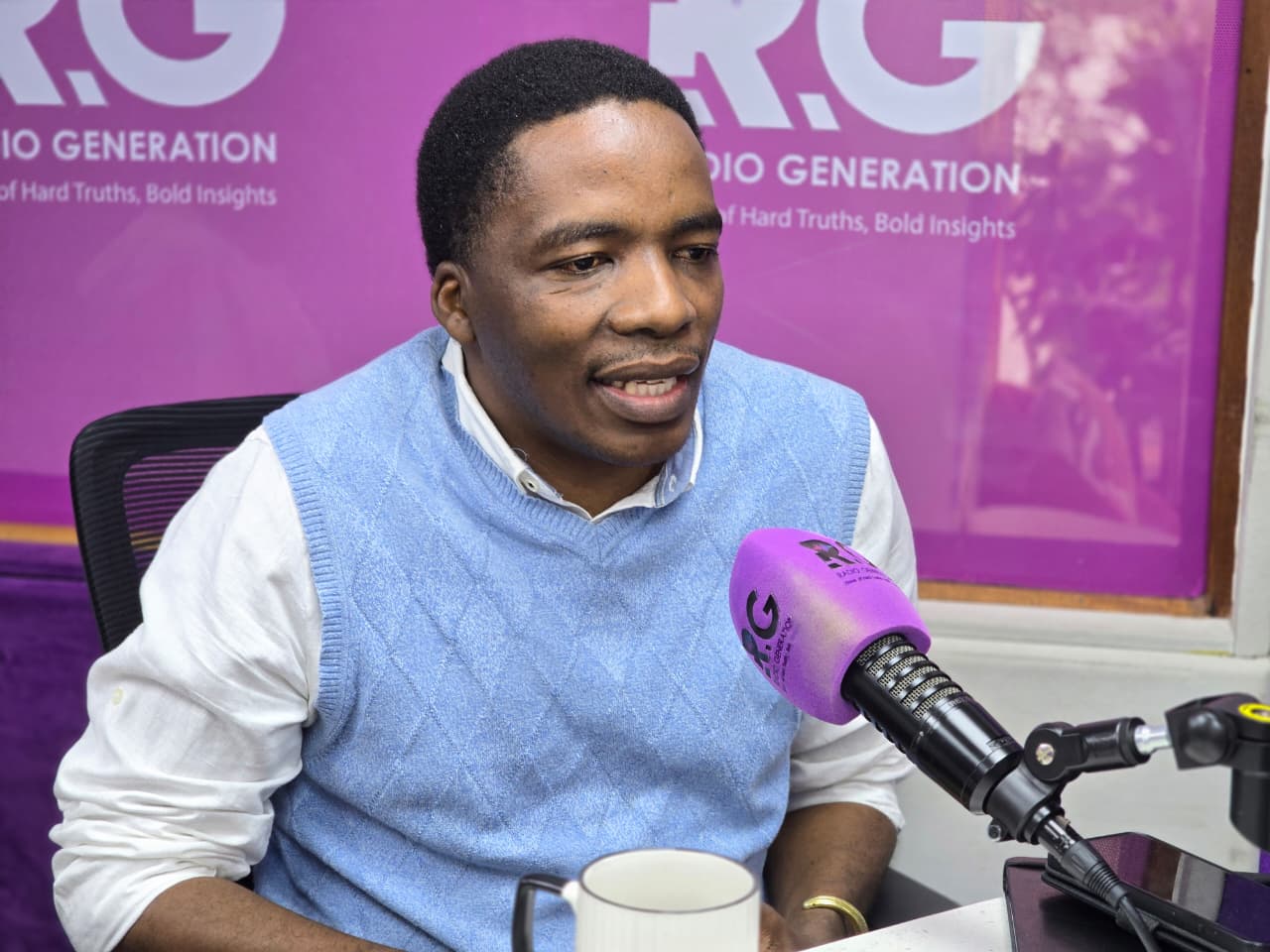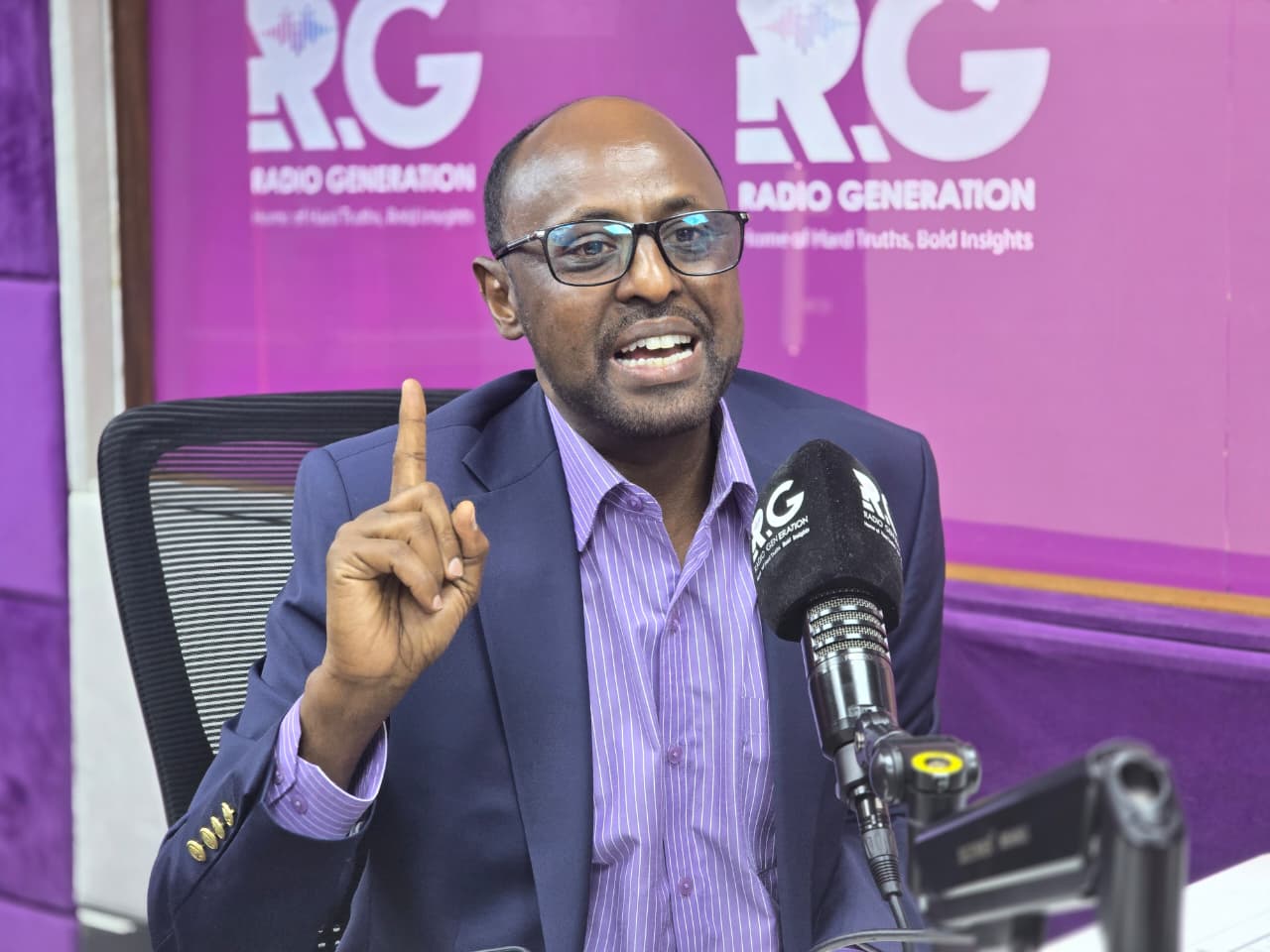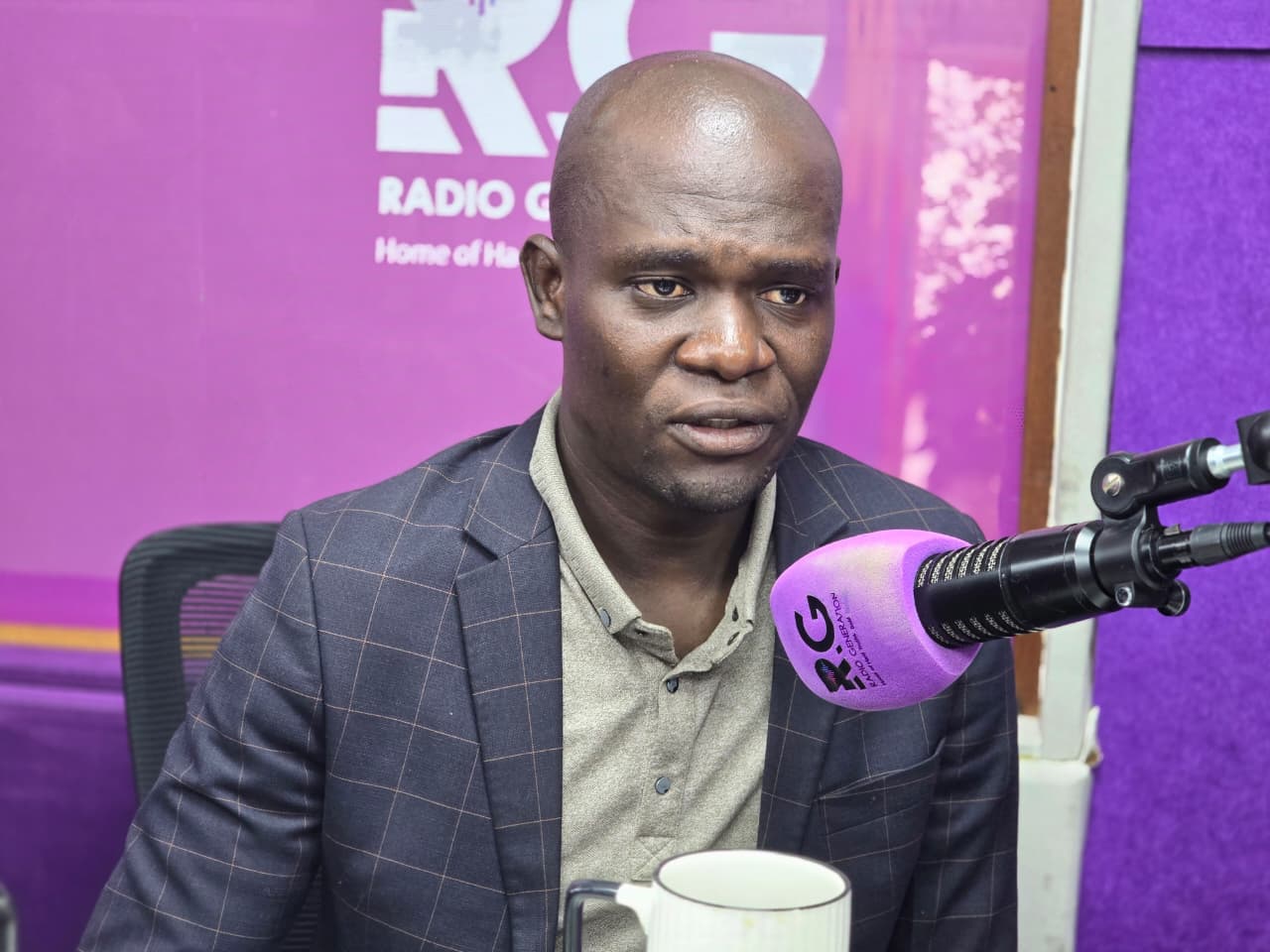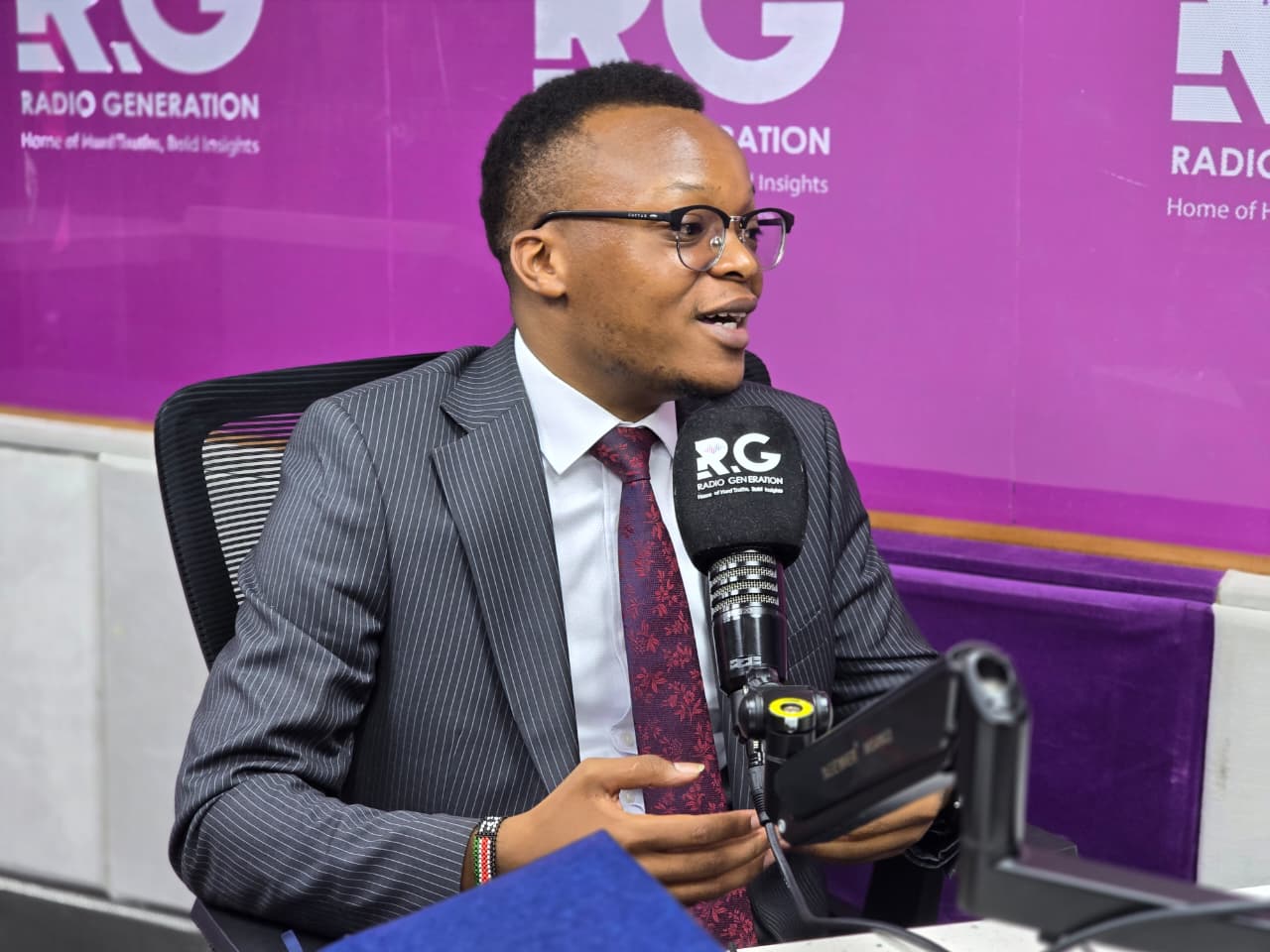
Advocate of the High Court Bosire Bonyi has urged Kenyans to take an active role in enforcing accountability, arguing that political delays and weak enforcement timelines allow leaders accused of misconduct to evade consequences.
Speaking on Thursday on Radio Regeneration, he said the sovereign must push institutions to act and demand personal responsibility from public officials.
As active citizens, we have quite a lot that we actually can do,” he said. “Number one, we need to ensure that we elect the correct people. I think that is the first and most important thing.”
However, he acknowledged that even with electoral choices, systemic challenges remain. “The only problem that we’ve had is the time it takes for you to bring these people to move,” he noted, describing prolonged court processes as the biggest impediment in the fight against injustice.
Bonyi contrasted lengthy corruption trials with presidential election petitions, which are concluded within strict constitutional timelines.
“In 14 days, we are done, however angry, however frustrated, we are always content that at least we have a decision,” he said. By comparison, he added, “I have been in cases where over 10 years, they are still in courts.”
While affirming the right to appeal as a universal principle, he argued that justice delayed undermines accountability. “If we had a very strict timeline on enforcement of these issues, some of these politicians will not get off the hook,” he said.
The advocate observed that elected officials often use their five-year mandates to outlast legal proceedings. “Some of them, they can just frustrate the process so that they can get through the five-year mandate,” he said.
Turning to the broader role of citizens, whom he referred to as the sovereign, Bonyi stressed that public pressure is essential. “The role of the sovereign number one is to push these people to account,” he said, adding, “Power corrupts. It has always been accepted all along.”
He argued that civic awareness has grown with increased access to information. “With the information, with the internet, with the conversations that we are having now, people are now becoming aware,” he said.
Citizens, he added, must be proactive: “Ask those tough questions. Take part in participation. Public Participation ensure that your opinion is considered.”
On police accountability, he described structural weaknesses that shield individuals behind institutional layers. “The government is a very big word. You cannot attach it to an individual,” he said, noting that files often move through multiple offices, including the Attorney General’s chambers, causing delays.
Bonyi advocated for personal accountability, arguing that officers should not rely on the state for protection when accused of wrongdoing. “When you have done such a mistake, you are not supposed to rely on the government even to defend on yourself,” he said, emphasizing that public officers swear an oath to uphold dignity and confidence in their offices.
He acknowledged the difficulty of securing convictions in cases involving alleged extrajudicial killings, where courts require direct evidence. “The threshold sometimes kills the quest,” he said, pointing to the high criminal standard of proof.
Nonetheless, he expressed hope that successful prosecutions would deter misconduct. “When you see the witnesses coming out and explaining all those things, it’s tough to get off the hook,” he said.
He also addressed command responsibility within disciplined forces, noting that while individual officers are directly responsible for their actions, superiors may bear indirect responsibility depending on circumstances. “Responsibility falls inwards. But that does not actually exonerate the person who actually does that,” he said.
Ultimately, he argued that political leaders draw power from public support.
“The reason why these politicians are able to do what they do is that the sovereign gives them the oxygen to continue,” he said.
Reflecting on youth-led protests, he noted how fear diminished when large numbers were arrested.
“When 400 young Gen Zs were arrested, they got to realize that the fear element that they were trying to sell wasn’t being bought,” he said.
Despite acknowledging economic hardships that make citizens vulnerable to political manipulation, he maintained that transformation is possible through sustained civic action.