Nyachae flags trust deficit at IEBC and normalised bribery in polls
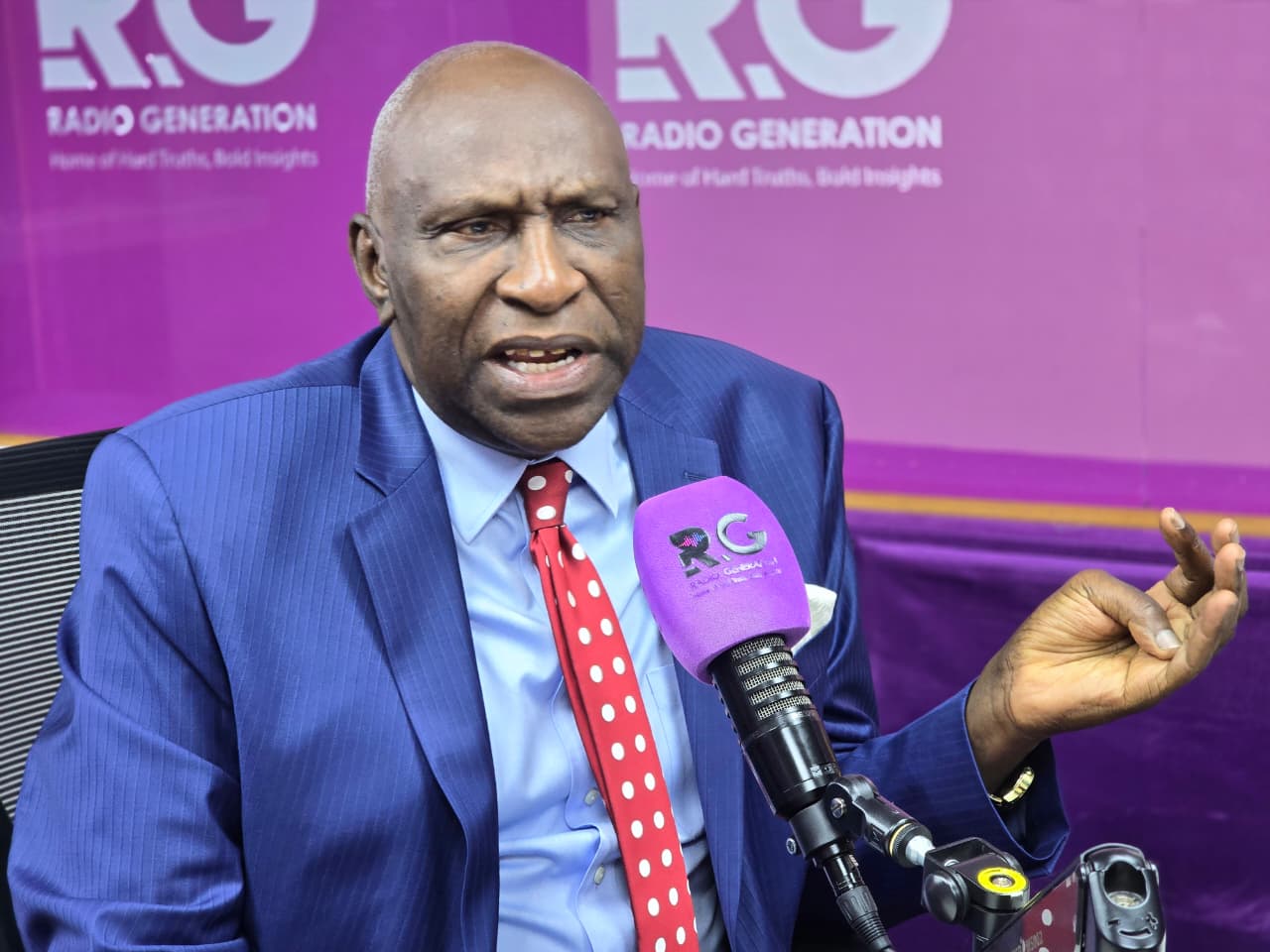
Constitutional lawyer Charles Nyachae warns that Kenyans have normalised vote bribery and political violence, urges citizens and leaders to confront a growing trust deficit in elections ahead of the 2027 polls.
Constitutional lawyer Charles Nyachae has condemned the acceptance of violence and bribery in Kenyan politics, pointing out that many citizens engage willingly in transactional voting.
He expressed concern over public servants acting as party agents and warned of the growing trust deficit facing the Independent Electoral and Boundaries Commission ahead of the 2027 general elections.
At the interview on Wednesday, he traced the bribery and political violence back to historical patterns in Kenyan politics.
“There are people who will disrupt rallies of the opponents. There are people who will ensure that this particular person or anybody who dares oppose a certain individual is wrapped up or discouraged thoroughly from participation. These are things we do not and have not spoken loudly against. So we’ve normalised it,” he said.
Nyachae highlighted that youth involvement in politics has often been aligned with violence.
“When multipartism came in, we actually devolved it, because we devolved political parties, and each political party had its youth wing. Now, the same activity, we normalised it a long time ago,” he explained.
On the issue of bribery during elections, Nyachae stressed that poverty alone does not force citizens to accept money for votes.
He said, “The citizenry, poverty notwithstanding, has a choice to refuse. They do not refuse. Yes, so they are willing participants. Nobody coerces you. You think people come to your house and force you to take 200 shillings? No, you leave your house, and then you go and queue. Nobody’s forced to go and queue.”
He drew on his personal experience, noting the transactional nature of electoral politics in rural areas.
Visiting his mother’s home, he observed that while giving small amounts of money to neighbours was harmless in social visits, the dynamics changed during elections.
“The moment you state that you are buying power, dynamics change. It becomes transactional; they will wait outside, because the moment you vote for him, leaders should be worried about that,” he said.
He also expressed concern about the capability of public institutions to manage upcoming elections, particularly the Independent Electoral and Boundaries Commission (IEBC).
“Are they well equipped? Are they capable of holding the 2027 general, which is going to be several times bigger than what we experienced on Thursday? The short answer is, I have not seen anything, so taking the Commission as it is, I do believe they can manage the elections,” Nyachae said.
However, he emphasised the need for the IEBC to address a trust deficit with the citizenry, which he said stems from historical baggage.
“The biggest thing that I would be concerned about is, is there anything we can do to breach the trust deficit between us as a commission, and the citizens? The commission would help itself greatly if it found ways of addressing it; there is a threshold that must be maintained,” he explained.
Nyachae also condemned the involvement of public servants in partisan politics during the recent by-elections.
“In this particular by-election, we really saw our CSs, PCS, the Deputy President himself, the President, and other public servants literally campaigning for different candidates. So now, what do we do in regards to that? Because it is, in one way or another, affecting our electoral process,” he said.
He concluded that citizens and leaders alike must take responsibility for creating a healthier political culture, warning that without addressing these entrenched issues, Kenyan elections will continue to face challenges.




Comments
Sign in with Google to comment, reply, and like comments.
Continue with Google