Omenya: Why Kenya must confront historic marginalisation now
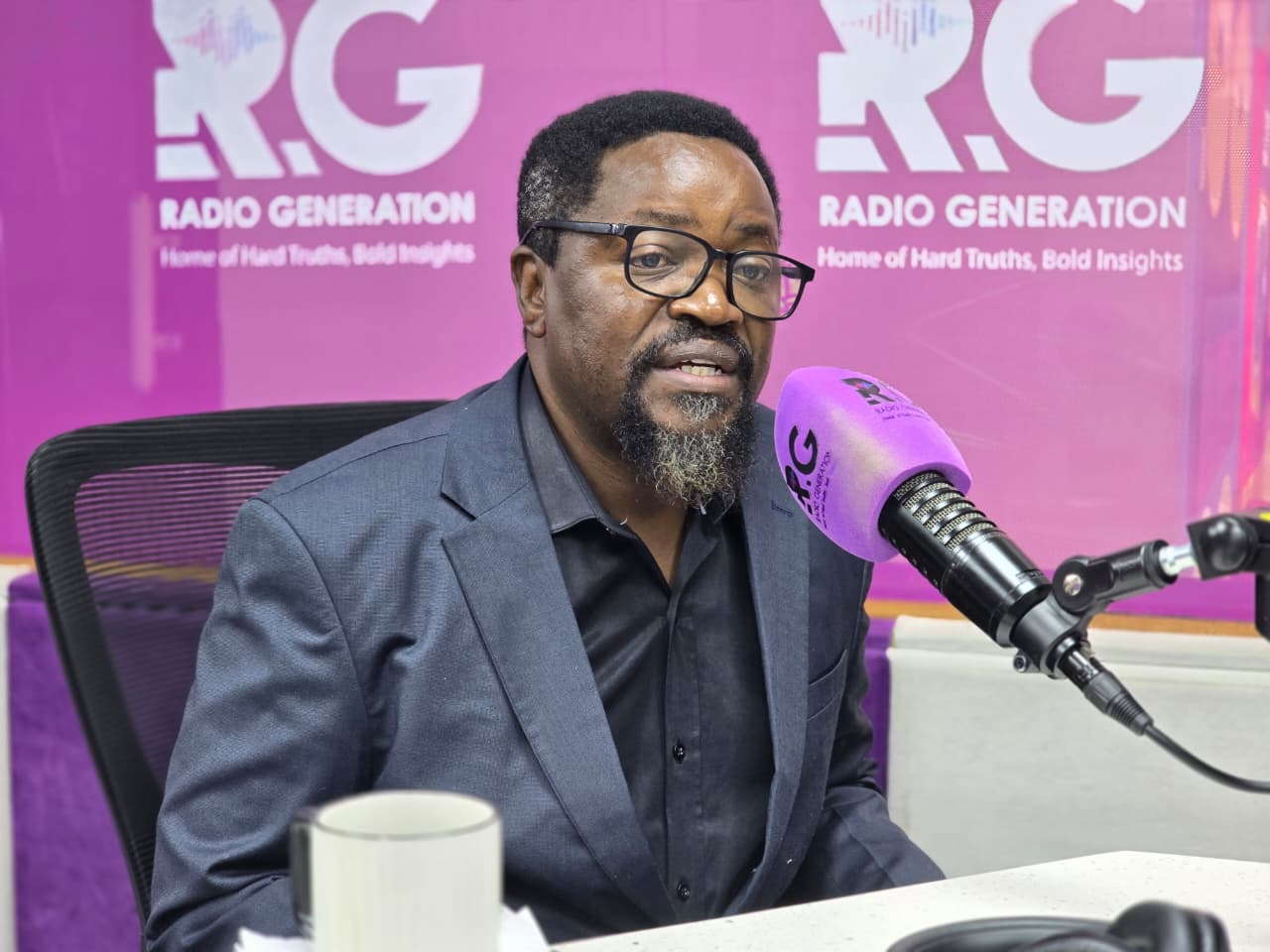
Speaking during an interview on Radio Generation, Omenya said Kenya must confront the truth about historical inequality, which he argues started long before independence.
Policy and governance expert Alfred Omenya is calling for an honest, first-principles national conversation on Kenya’s deep-rooted marginalisation, warning that entire communities remain “invisible” in the country’s development agenda.
Speaking during an interview on Radio Generation, Omenya said Kenya must confront the truth about historical inequality, which he argues started long before independence.
“The country did accept that, indeed, regions have been marginalised—of course in different levels and proportions,” he said. “The Northern Frontier District… these were extremely marginalised places.”
Omenya traced the problem back to colonial rule, saying the British strategically invested only in areas that benefitted them, while neglecting others.
“We must ask ourselves why the colonialist was interested in using this tool, and why we should stop it,” he argued. “The colonists wanted to extract resources and wanted as little opposition as possible. The tool they used systematically was marginalisation.”
He added that colonial decisions even altered the country’s ethnic landscape. “When the colonies were arriving in Kenya, the biggest community was Maasai by far. Later, Maasai was not even top five by numbers. These things were done on purpose.”
Omenya noted that development was deliberately concentrated along the railway corridor—from the Coast through Central Kenya to the West—leaving communities north of the line neglected. “The guys who were on the north of the railway land were left to their own imagination,” he said.
According to him, modern efforts such as the LAPSSET project were designed to counterbalance that historical imbalance by creating “another powerful railway line” and shifting investment to northern Kenya. He said this approach would have unlocked vast potential, including agriculture, minerals, and untapped rivers in regions like Mandera.
“People normally think that Mandera is just some desert—it’s not. We actually have rivers there. But there has been zero investment in those areas,” he said.
Omenya acknowledged that devolution and Article 56 of the Constitution were introduced to address marginalisation more systematically. Even so, he says political leaders have largely abandoned the mission.
“What one would have expected was a radical change in political behaviour. But what happened? The forest changed, but the monkeys remained exactly the same.”
He criticised Kenya’s political culture for focusing only on a few dominant ethnic groups, leaving others forgotten.
“There are communities that are invisible in this country,” he said. “There is no infrastructure in their places. There is no education in their places.”
Omenya warned that unless Kenya confronts these inequalities honestly, entire regions will continue to be left behind in national development.
Omenya's call comes barely weeks after a group of North Eastern MPs criticized President Ruto’s State of the Nation address on November 20, 2025, calling it “tone-deaf” to their region’s challenges, with several lawmakers walking out in protest.
Speaking at a joint press conference outside Parliament, they argued that the speech served as a “blueprint for the south, but a blank page for the north,” highlighting key grievances including the neglect of the ongoing drought in counties like Wajir and Marsabit, lack of support for the livestock sector—which contributes over 12% to GDP—dilapidated infrastructure such as the Modogashe–Samatar road, and the absence of a plan to tackle persistent banditry and insecurity.
MPs including Wajir South’s Mohammed Adow, Wajir North’s Ibrahim Saney, and Wajir East’s Adan Daud emphasized that Northern Kenya continues to be treated as an “appendage” in national development and called for equitable resource allocation, warning that their support in the 2027 elections would depend on tangible development outcomes and pushing for the drought to be declared a national disaster.




Comments
Sign in with Google to comment, reply, and like comments.
Continue with Google