Mandera DG urges national plan on recurrent drought in northern Kenya
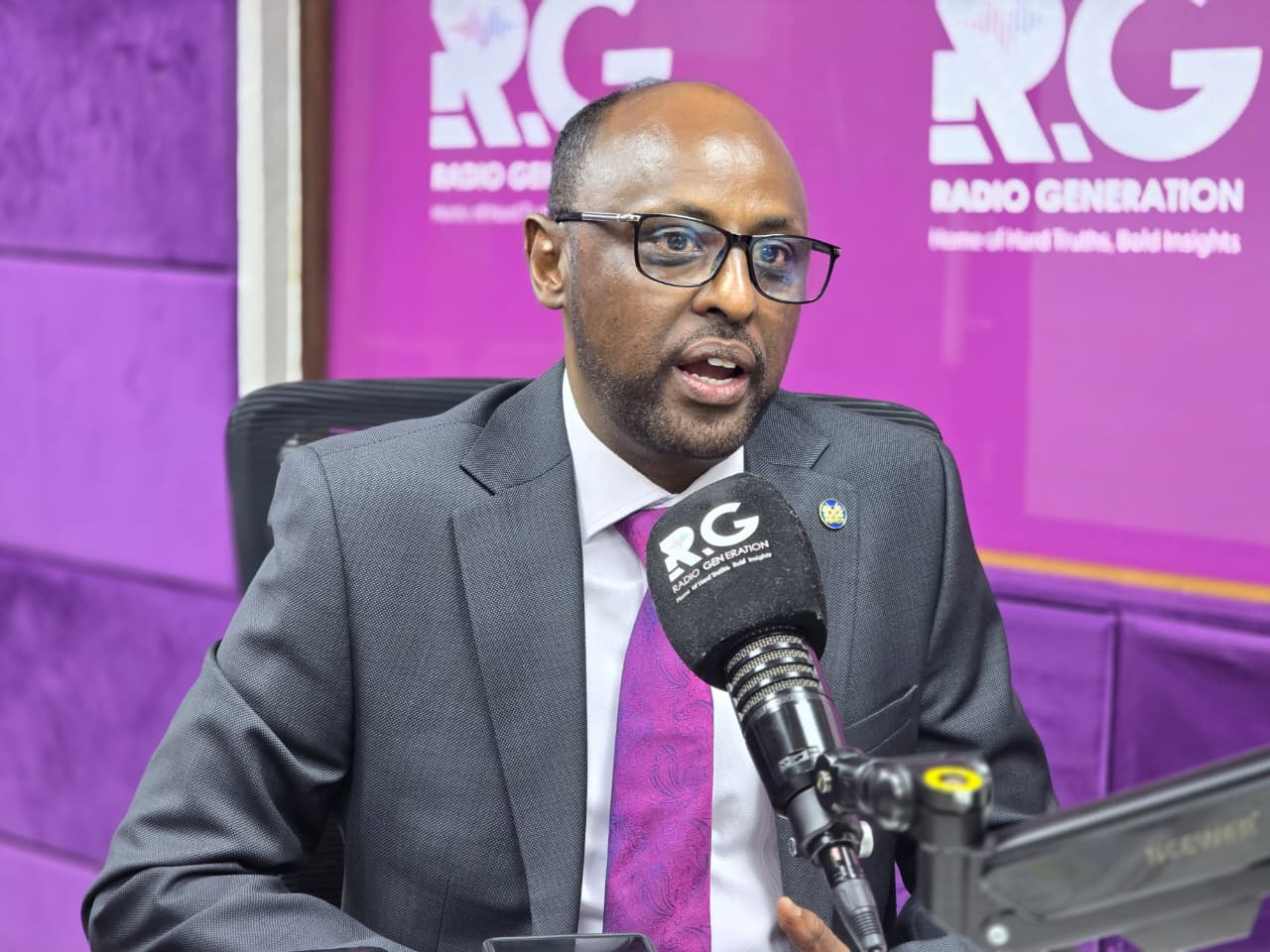
Recurrent droughts in northern Kenya are predictable yet poorly managed, Mandera Deputy Governor Ali Maalim Mohamud warns, citing weak planning, limited water access and urgent need for a national response plan.
Recurrent droughts continue to devastate northern Kenya, leaving communities struggling to access water, feed their livestock, and sustain crops, despite the predictability of the phenomenon.
Many areas in the region have limited emergency response capacity, forcing residents to rely on minimal interventions that fall far short of what is needed.
Speaking on Radio Generation, Mandera Deputy Governor Ali Maalim Mohamud said the region’s droughts are cyclical, occurring every two to four years, yet they remain poorly managed due to limited planning and resources.
“Unfortunately, this is a very cyclic thing that comes back every two to three years, four years, and since time immemorial… so the impact and how to find a solution is where our debate is,” he said on Wednesday, noting that climate change has heightened the stakes.
He acknowledged the human and economic toll: “People are really suffering, animals are dying, our crops are disappearing.”
According to Ali Maalim Mohamud, droughts in northern Kenya are largely predictable, with international weather systems providing forecasts years in advance, but the country lacks organized programs to prepare adequately.
“We know exactly a year, two years before, actually. So there is no such organized, well-planned program to say that, look, in a year or two, drought is coming. What can we do?” he said. While county governments can carry out small emergency responses, their capacity is limited.
He gave the example of Mandera, where a semi-permanent river flows for eight to nine months of the year before drying up.
“You can’t imagine how much water goes through Mandera County, that empties into the Indian Ocean, and only 20–30 kilometers away, people are dying because of thirst and lack of water,” he said.
With over 600 villages to serve, Mandera relies on just 35 water bowsers—far short of the 600 or even 1,200 needed to meet basic needs.
Maalim Mohamud also highlighted the vulnerability of the region’s livestock sector, which provides 75–80 percent of the country’s meat and livestock products.
“We were supposed to grow fodder across the region…if we deliberately invested in livestock, we could be the highest suppliers in this country of livestock to the rest of the world,” he said.
The deputy governor called for a massive, deliberate national plan to address recurrent droughts and strengthen northern Kenya’s economy.
He said county governments will continue to do what they can, allocating every available resource to support communities, even as challenges persist.
“Every penny that we can spare will be directed towards supporting communities…even though it’s not even enough,” he said, highlighting the urgent need for coordinated action.



Comments
Sign in with Google to comment, reply, and like comments.
Continue with Google