News
Counties accumulate Sh173bn in pending bills, Kiptoo tells MPs
Kenya’s Treasury faces questions over Sh475 billion in pending bills, Sh13.01 trillion in public debt and Sh173 billion owed by county governments.

Hard truths. Bold Insights. Real talk.
Kenya’s Treasury faces questions over Sh475 billion in pending bills, Sh13.01 trillion in public debt and Sh173 billion owed by county governments.
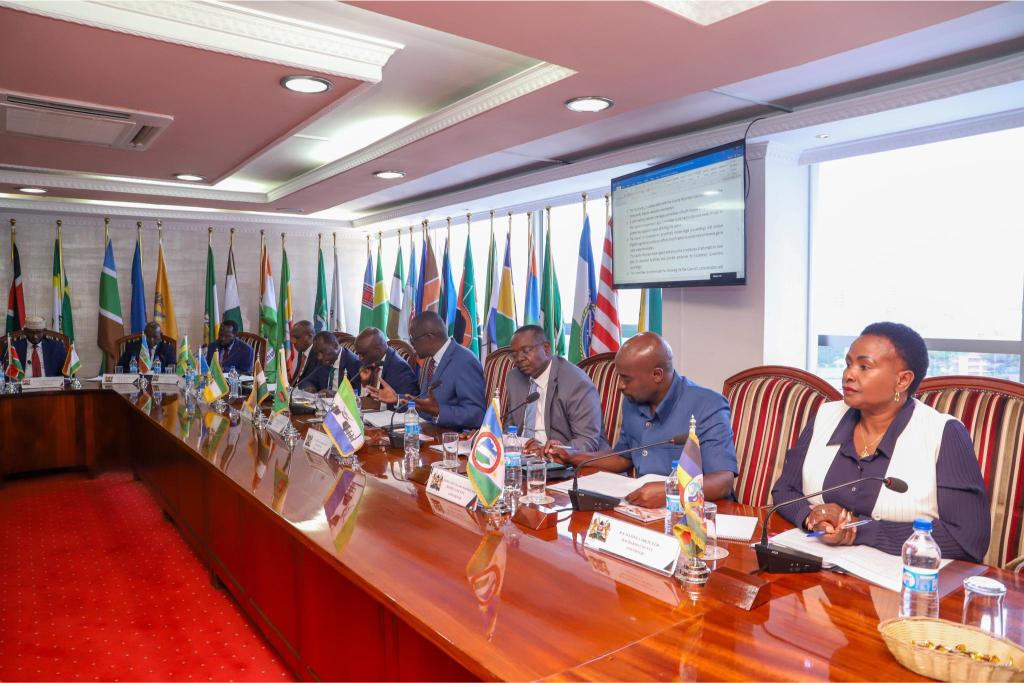
The Senate wants county administrations to explain why employees have continued missing their monthly pay despite billions of shillings being allocated to devolved units.

The breakdown of the Sh118.8 billion pension debt presents another concern. Accumulated penalties stand at Sh99.1 billion, far above the Sh17.7 billion in principal, while the remaining Sh2 billion is attributed to an actuarial deficit.
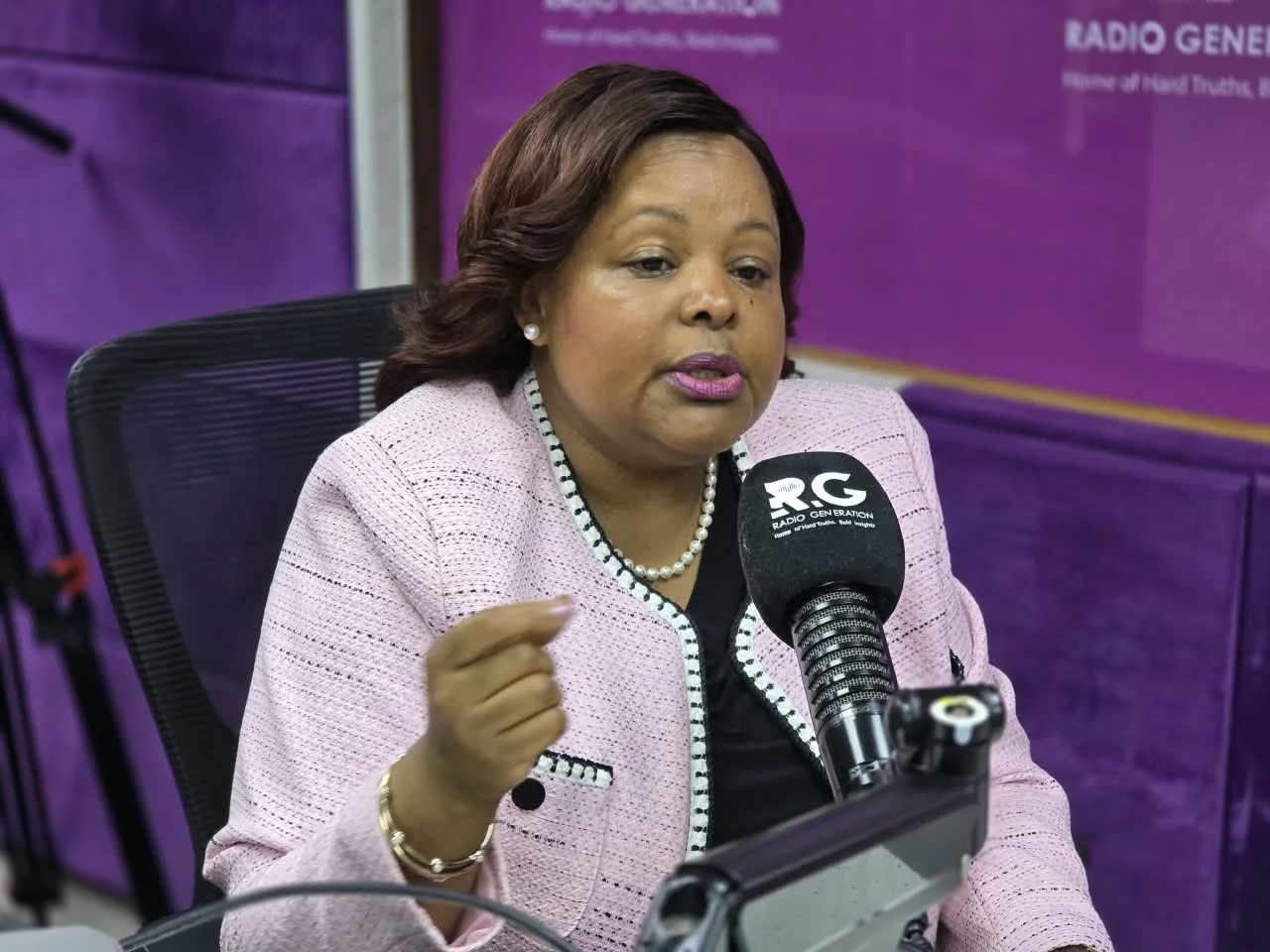
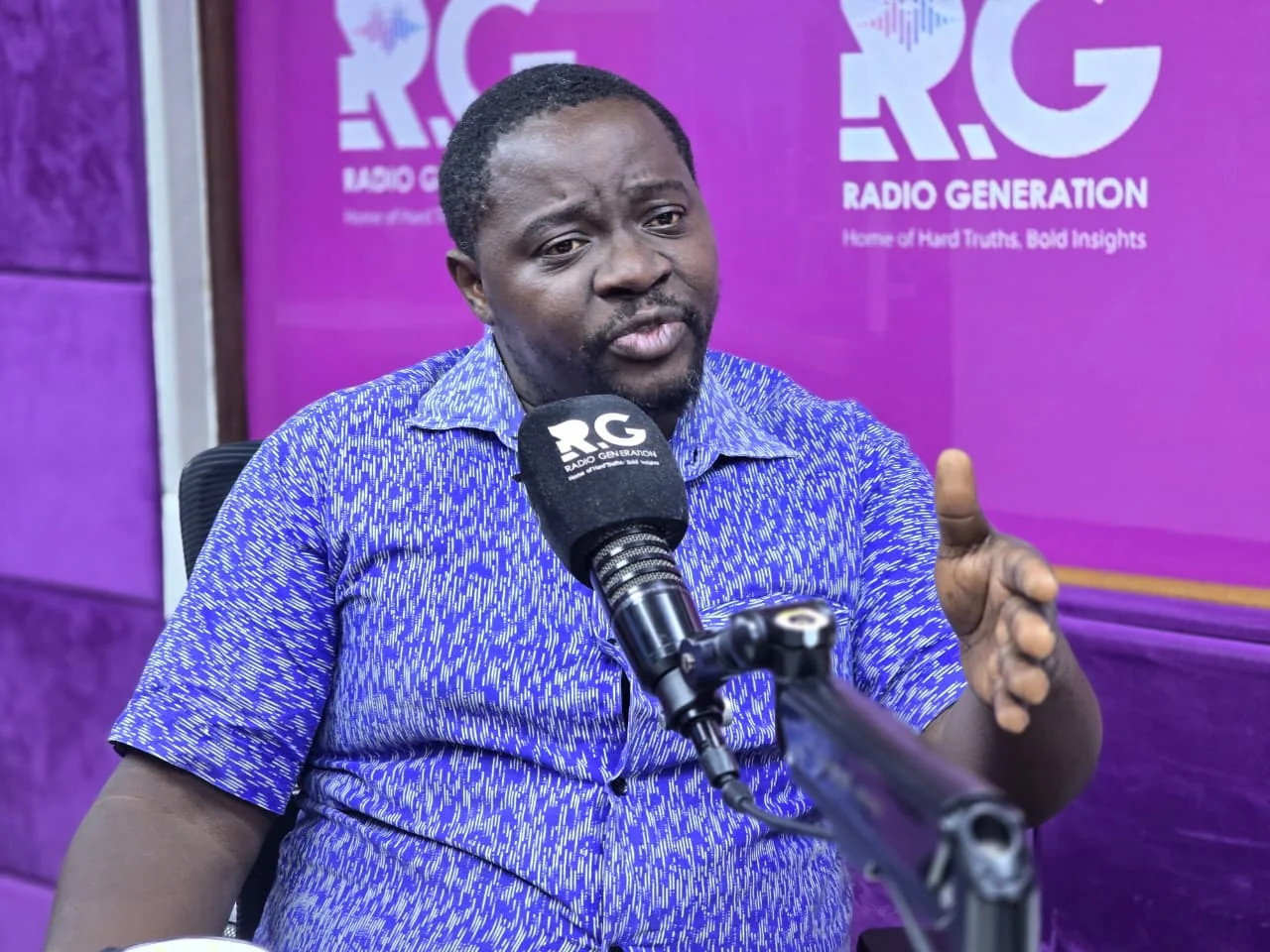
Speaking on Radio Generation on Monday, Wanjau said counties were created to drive economic growth.
Data contained in a report by Controller of Budget Margaret Nyakang’o shows that counties spent Sh126.69 billion from the Sh233.69 billion approved for development, giving an absorption rate of 54.21 per cent.

The dispute centres on the County Oversight and Accountability Bill, Senate Bill, 2024, sponsored by Narok Senator Ledama Olekina, which seeks to give the Senate a stronger role in monitoring money allocated to counties and provide a formal system for public
Nakuru, Wajir, Nairobi, Siaya and Mandera recorded the largest shares of manual payroll payments among the counties flagged in the report. Meru, Elgeyo Marakwet, Kitui, Busia and Lamu were also among the counties that continued to process substantial payments outside the Human Resources Information System (HRIS).
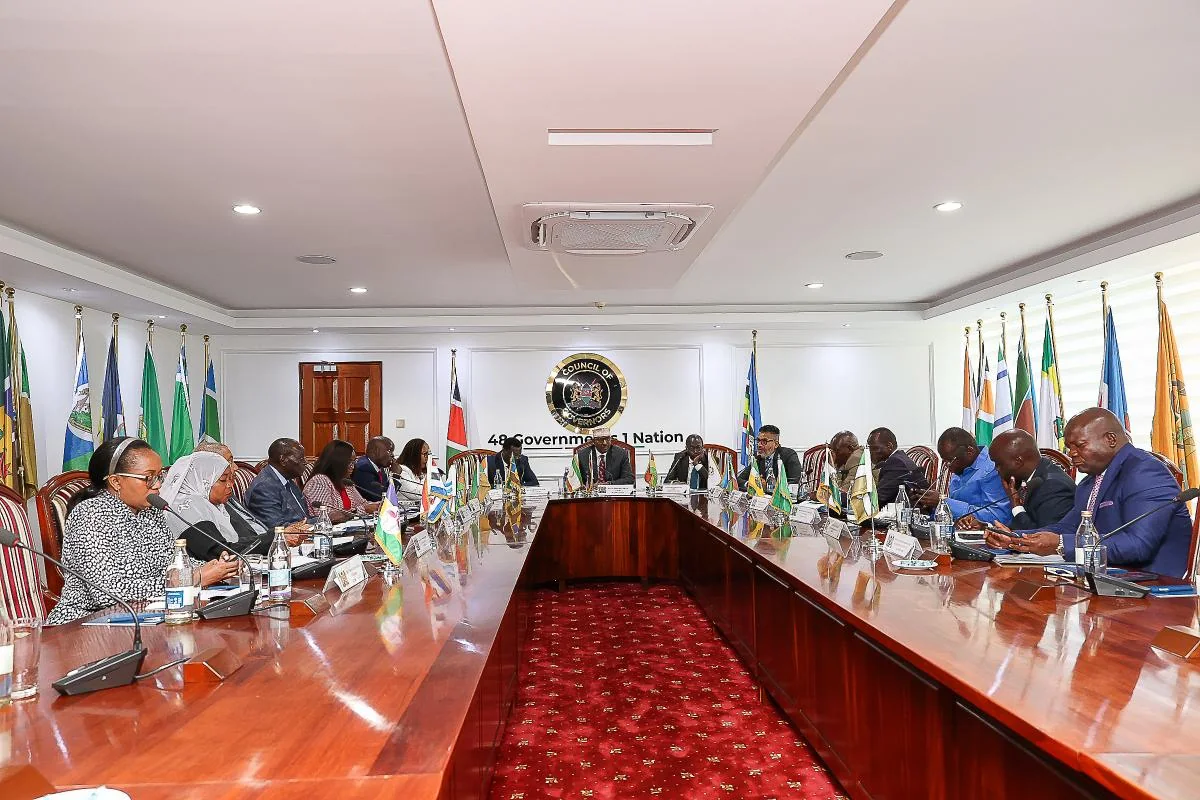
The long-running debts have left suppliers, contractors and county workers waiting for payment, with Nairobi carrying the biggest share of the historical obligations at Sh49 billion.
Speaking on Radio Generation on Wednesday, Atellah said the decision was causing concern among workers who expected the salary adjustments to be implemented alongside those applying to employees in the national government.
County governments are required to maintain their main bank accounts at the Central Bank of Kenya (CBK). Commercial accounts are allowed for specific purposes, but the County Treasury must first issue written authorisation.
Speaking in Karen, Nairobi, on Tuesday, Kindiki said the government would intensify the crackdown on illicit alcohol and drugs through intelligence-led multi-agency operations targeting cartels, supply chains and unlicensed manufacturers.

The county had an approved supplementary budget of Sh25.65 billion, including Sh8.83 billion for development and Sh16.81 billion for recurrent programmes.

In a statement on Monday, KHRC demanded that the government put human rights at the centre of preparations and interventions for the El Niño rains expected between late September and December this year.
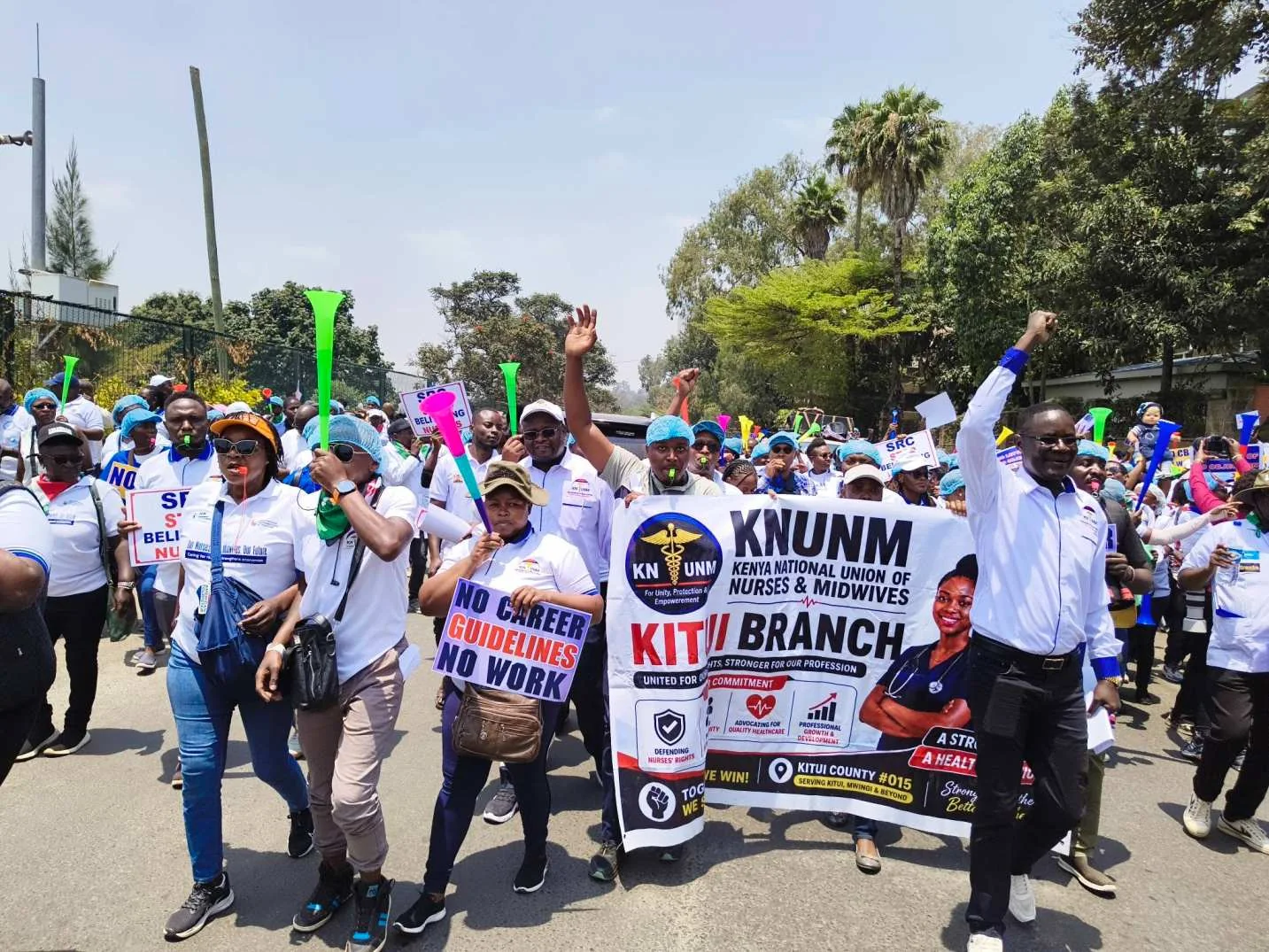
KUCO National Chairman Peterson Wachira said some county governments were frustrating the process through intimidation of striking clinical officers and delays in putting into effect an agreement that took eight years to negotiate before it was signed in February.
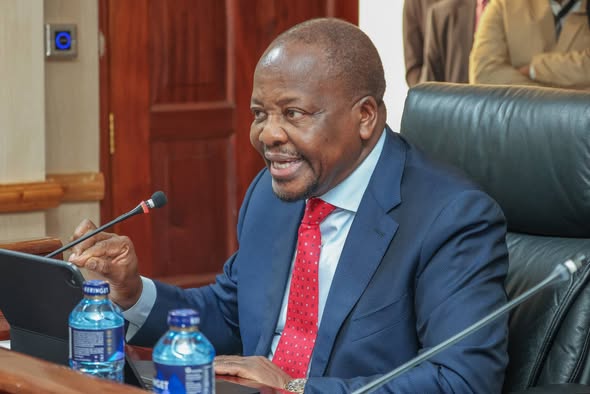
Agriculture Cabinet Secretary Mutahi Kagwe told the Senate on Wednesday that the government had in the past failed to secure sufficient fodder reserves, with some facilities labelled as feedlots lacking basic requirements such as water and pasture.
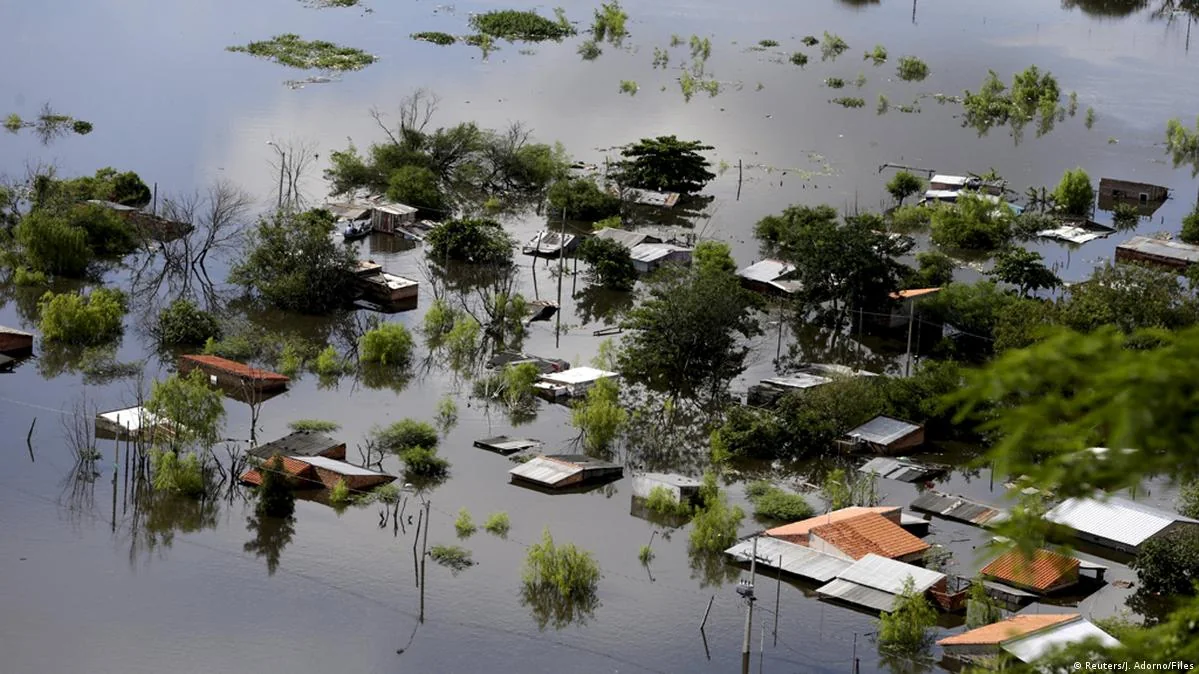
The ministry has urged Kenyans to follow official health and weather advisories and disregard rumours and misinformation as El Nino preparations intensify ahead of the expected rains
The union Secretary General Seth Panyako made the announcement on Wednesday following a meeting with the Council of Governors, ending the industrial action that had disrupted health services in several parts of the country.

The former Attorney General warned that the country was already dealing with several challenges that could be made worse by extreme weather. Farmers are facing the risk of crop losses, food security remains under pressure, while the health system continues to experience strikes and other disruptions.

Speaking on NTV on Wednesday, Panyako said the CBA was ready for implementation in 18 counties before the CoG moved to stop the process, arguing that the dispute has persisted because of personal interests and poor prioritisation of the health sector.
KUCO Deputy Secretary General Austin Otieno Oduor says unfulfilled agreements remain the main reason clinical officers continue to take industrial action, with differences between counties creating unequal working conditions for health workers.
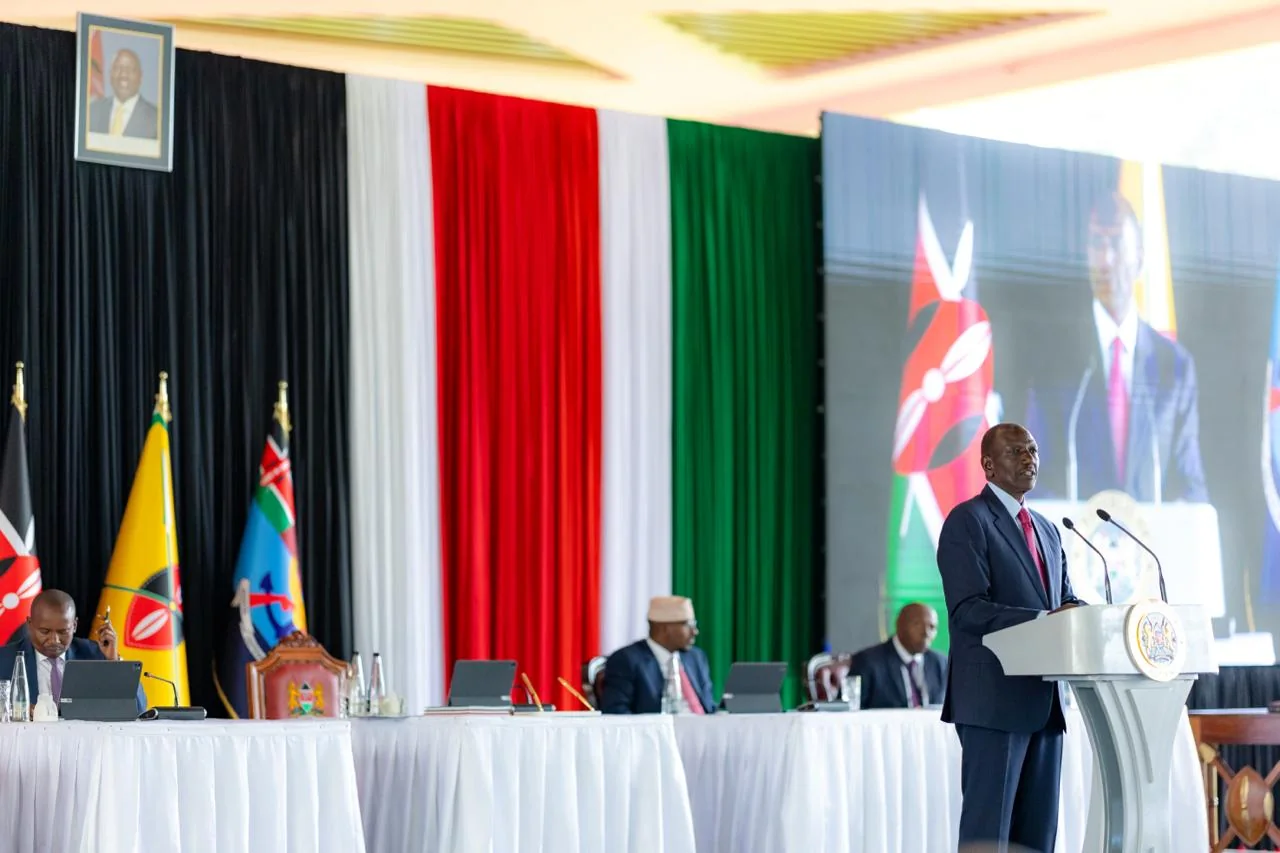
The President said the funding recommendations followed verification of the previously identified interim allocation of Sh65.9 billion.
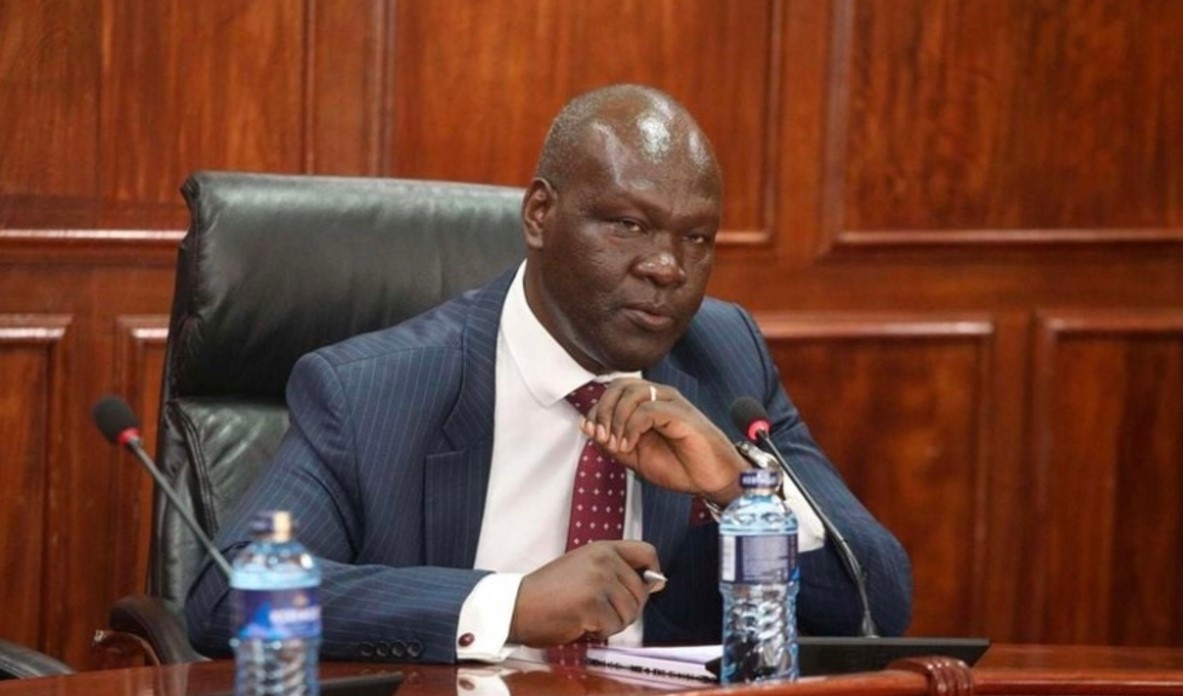
Nyandarua, Nakuru, Migori, Kilifi, Siaya and Tana River were the only counties that remained within the 35 per cent wage-bill-to-revenue threshold during the nine months of 2025.
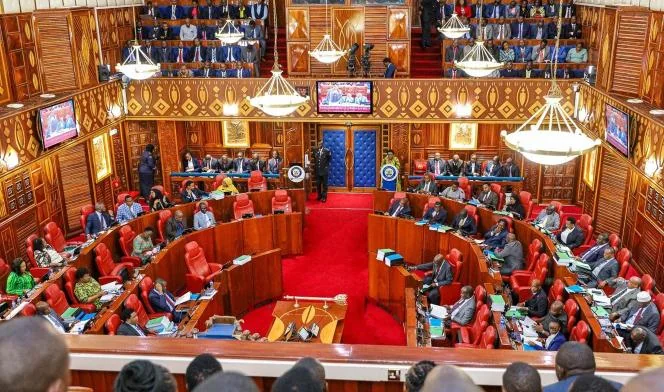
The Senate has directed its Devolution and Intergovernmental Relations Committee to investigate stalled and abandoned projects across the 47 counties and establish the amount of public money already spent on them.
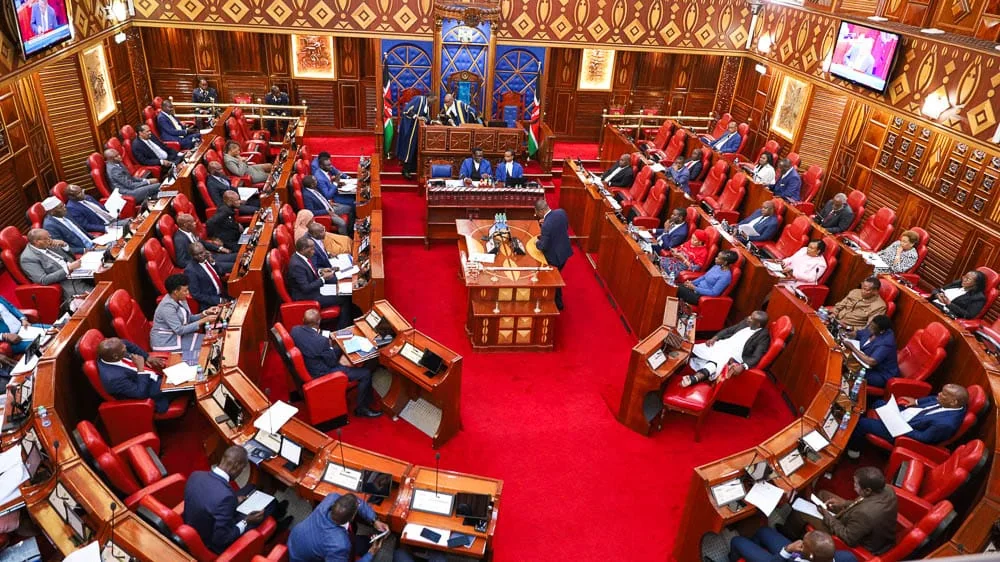
Under the proposed law, pensionable county officers would be able to move from one county public service to another while keeping their pension, leave and other benefits already earned.
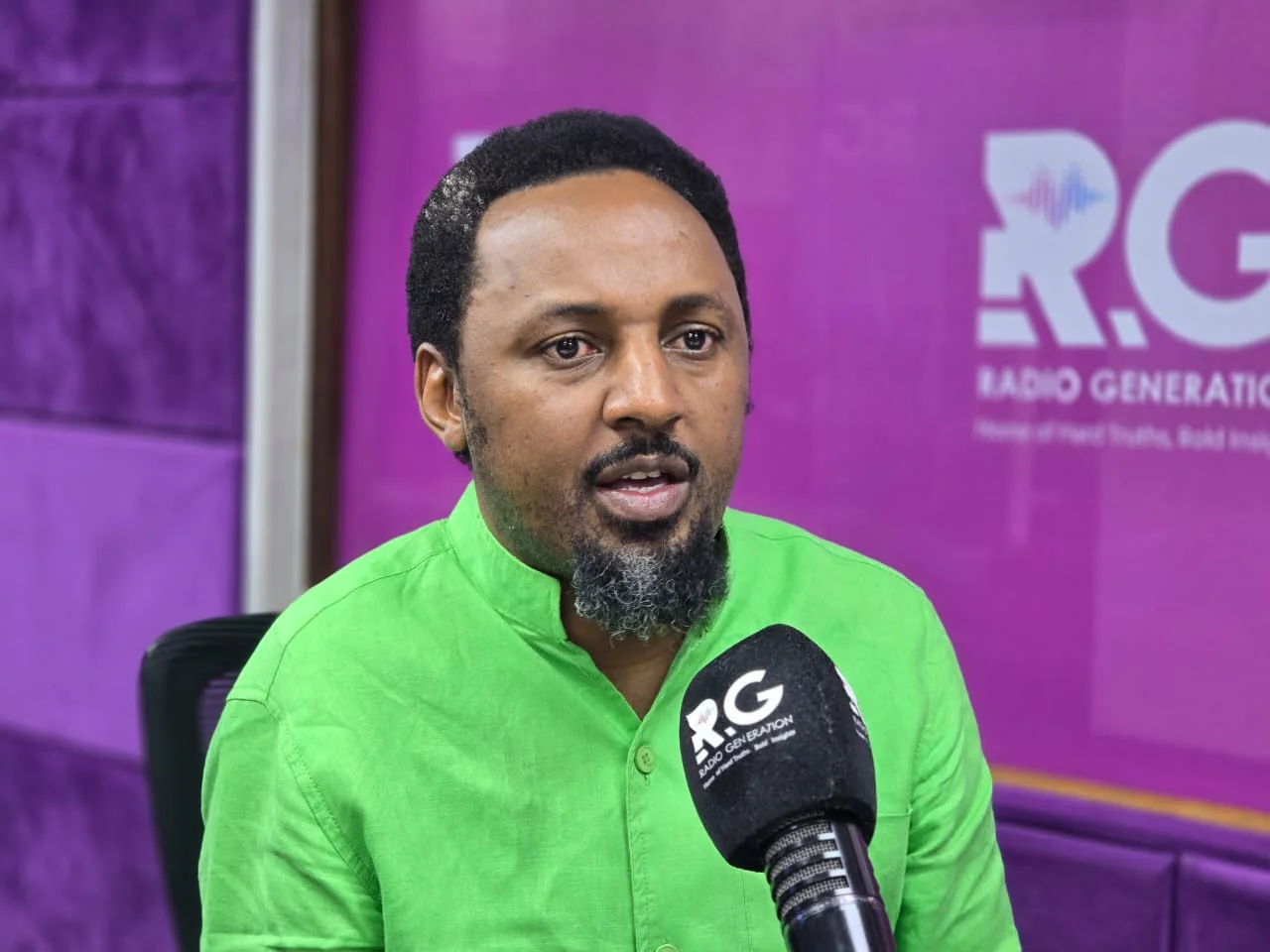
Speaking on Radio Generation on Thursday, Thang’wa said political rivalry between the two Houses had weakened the Senate’s powers despite Article 96 of the Constitution giving it a clear role in protecting county interests, approving allocations and exercising oversight.
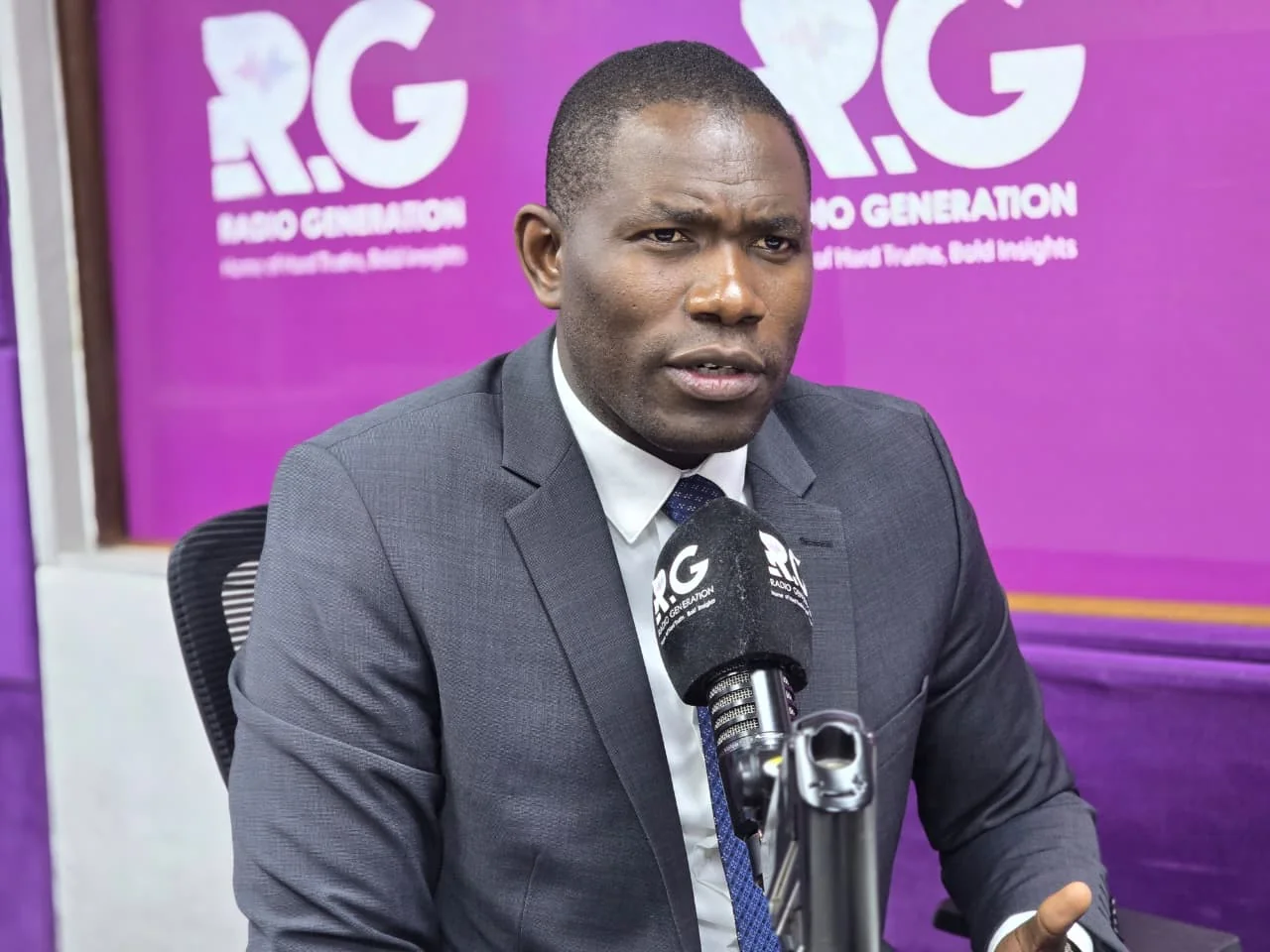
Oluga said the shift meant Kenya could no longer depend on appeals to wealthy countries to fund programmes targeting diseases such as malaria, tuberculosis and HIV.
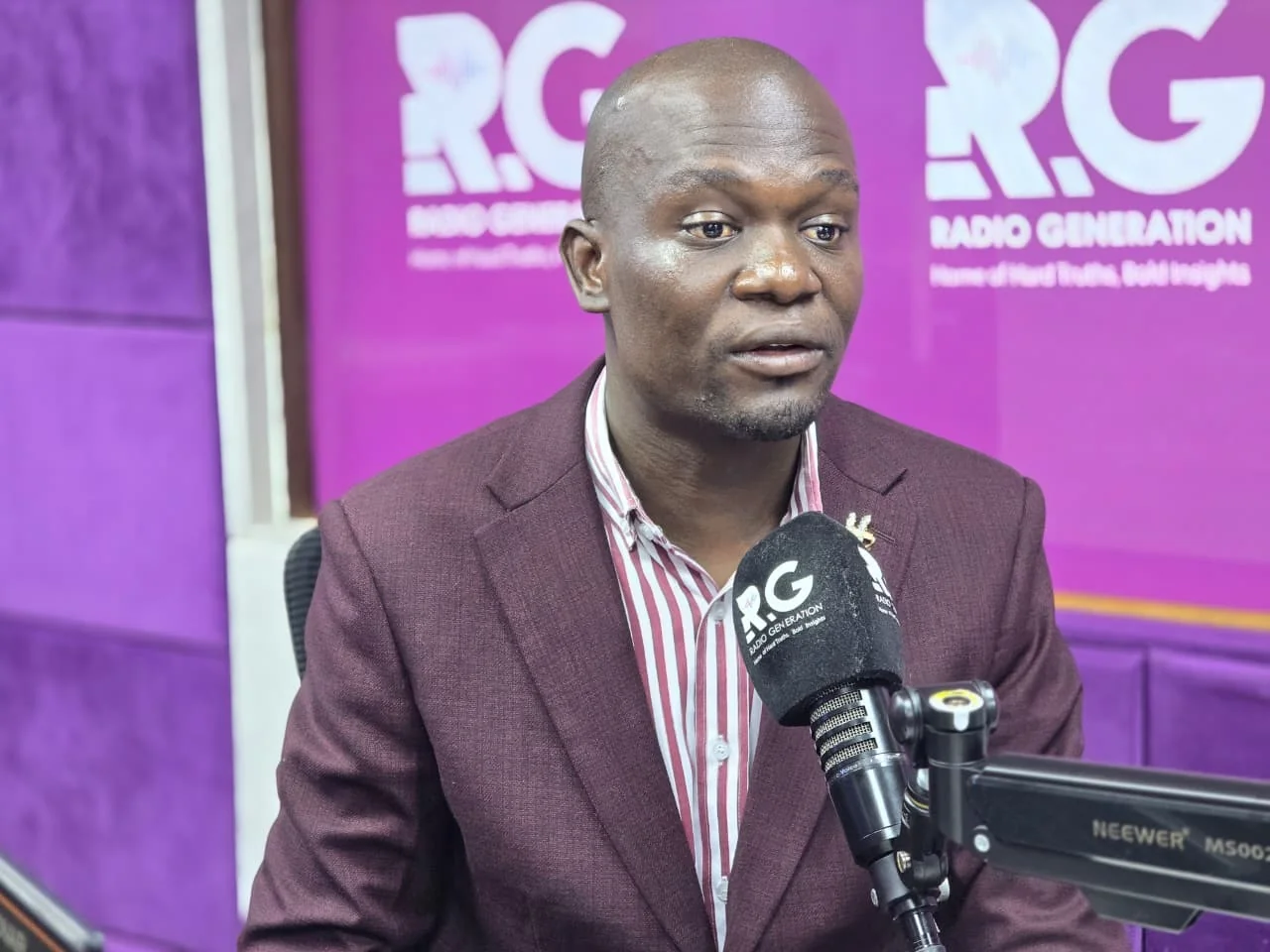
Speaking during a Radio Generation interview on Tuesday, Otieno said the introduction of county governments in 2013 was intended to fundamentally change how resources, services and decision-making were distributed across the country
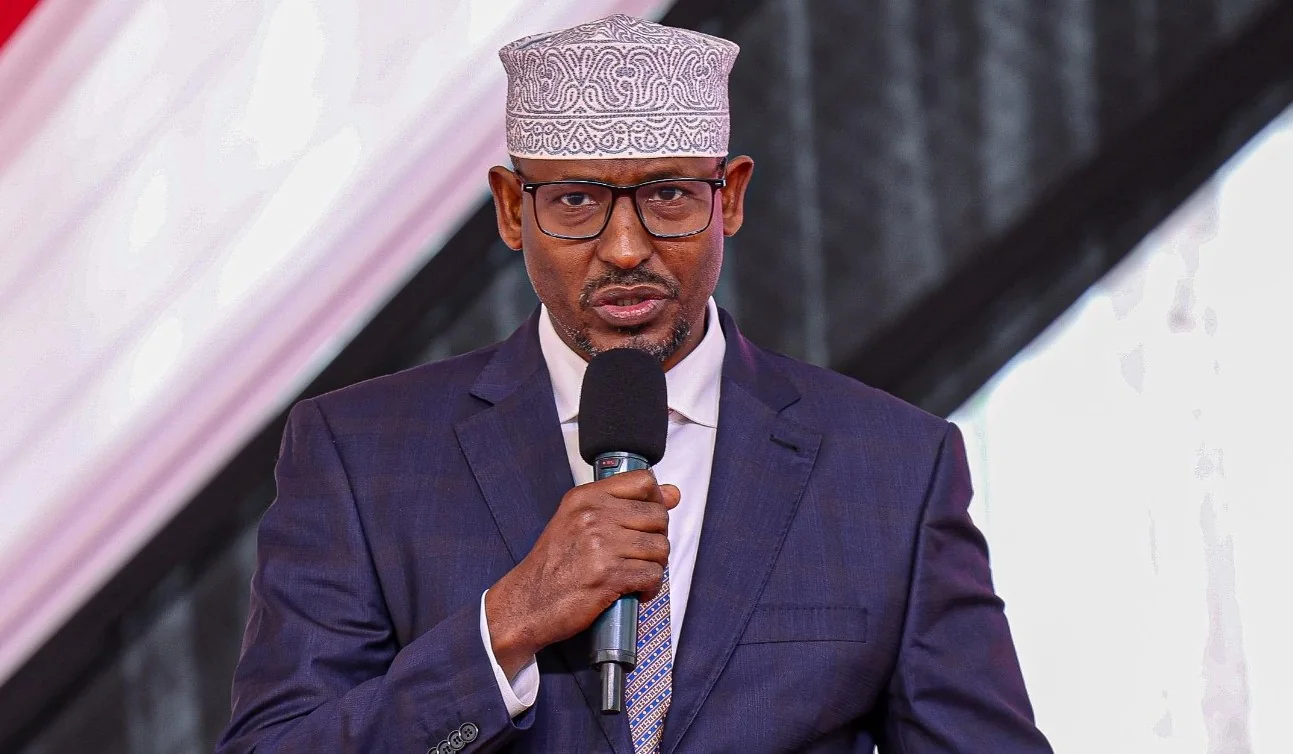
Speaking during a special session of the Intergovernmental Budget and Economic Council (IBEC) on Monday, Abdullahi said the agreement was signed “under duress” in the run-up to the 2017 elections but has never been implemented.
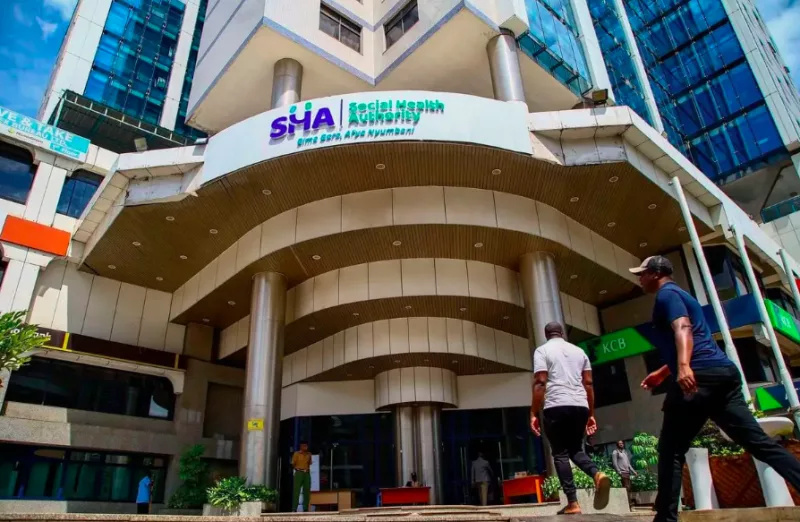
Data presented before the National Assembly Health Committee showed that 32,180,494 people had signed up for SHA by the end of July. The figure accounts for 67.7 per cent of the country’s population. However, only around five million registered members had made premium payments

The preparations come days after Deputy President Kithure Kindiki directed counties to activate their disaster response systems ahead of the October-December rainy season.