Kenya must align spending with revenues to stabilise debt, expert says
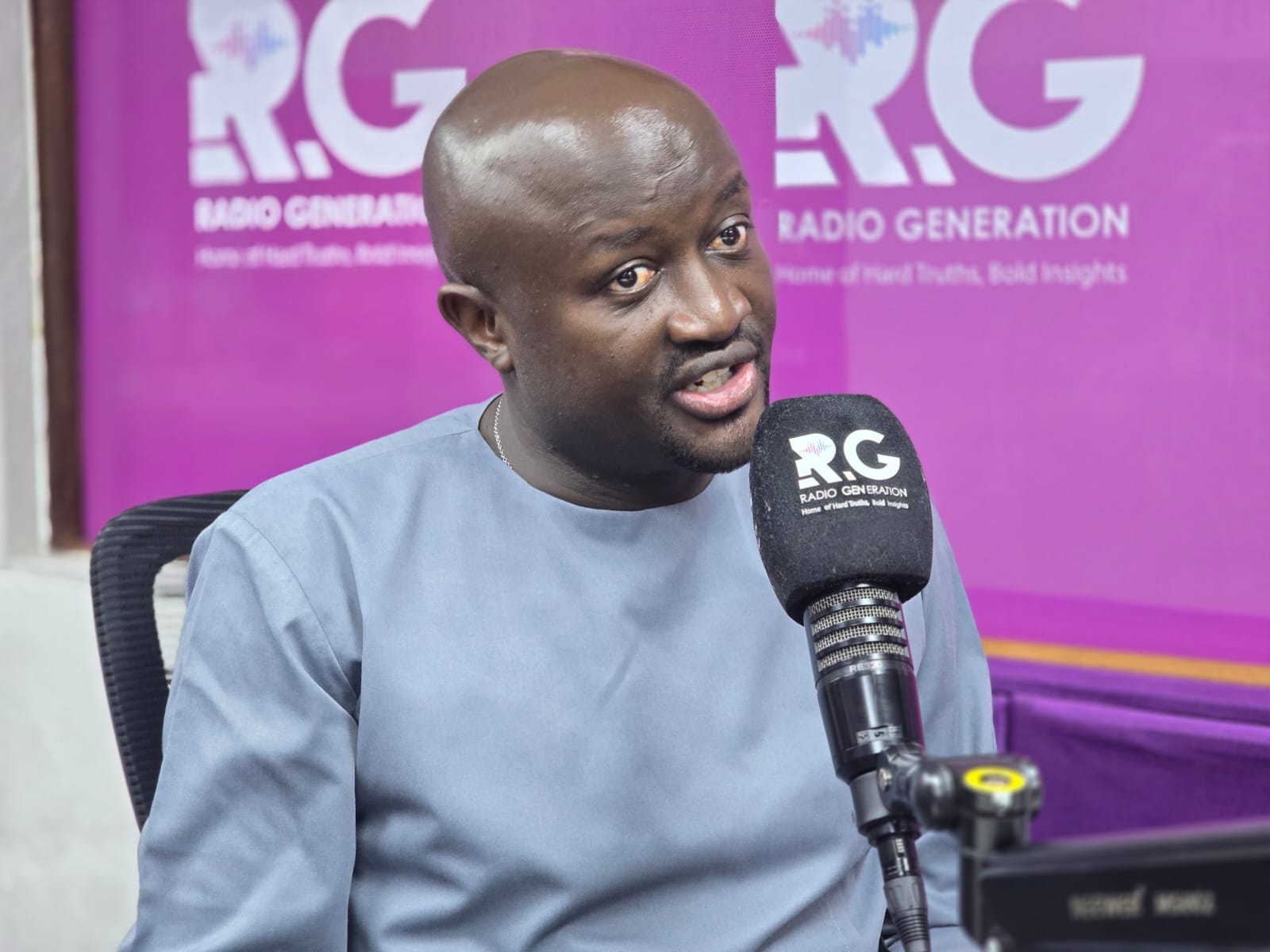
Speaking during an interview on Radio Generation, Ogutu said the country’s fiscal health hinges on matching spending with revenues.
Kenya can only stabilise its debt trajectory once expenditure aligns with tax and appropriation-in-aid revenues, achieving a true balanced budget and reducing reliance on borrowing, according to Churchill Ogutu, Economist at IC Group.
Speaking during an interview on Radio Generation, Ogutu said the country’s fiscal health hinges on matching spending with revenues.
“As and when we can find our expenditure matching the revenues — the tax revenues, the appropriation-in-aid revenue — so what you call a balanced budget, that’s the ideal situation,” he said.
“That will mean that we’ll not go to borrow, either domestically or externally… but before that, we are still in the woods,” Ogutu noted that while the government continues to borrow through Treasury bonds and bills, there has been some relief on domestic rates. About 15 to 18 months ago, Treasury bill rates were as high as 16 per cent.
“Right now… the interest rates on Treasury bills have come lower,” he observed, referring to the 91-day, 182-day and 364-day instruments.
However, he cautioned that debt servicing pressures remain significant. “If you think about the interest payments in any given financial year, largely the domestic interest is quite significant, close to 75 to 80 per cent, whereas the external component is the balance of 20 to 25 per cent,” he said. Although bilateral and multilateral loans help offset some external costs, commercial borrowing remains expensive.
He pointed out that authorities have opted to reopen Treasury bonds monthly instead of issuing new ones, “at least to contain ballooning of the interest component,” particularly after infrastructure bonds were issued at rates as high as 18.5 per cent in early 2024.
On the external front, Ogutu questioned the strategy of issuing new Eurobonds at relatively higher coupons to buy back older, cheaper debt.
“You’re borrowing expensively to buy back bonds that have relatively lower coupon rates,” he said, noting that some of the targeted bonds carried coupons of between 7.25 and 8 per cent, compared to new issuances priced as high as 8.7 per cent.
He argued that the move reflects widening fiscal gaps. Parliament approved about Sh900 billion in borrowing in the current budget, while the latest Budget Policy Statement signalled weaker-than-expected revenues and an additional Sh260 billion in planned spending.
“Revenues are not moving, you increase spending… that means that we have to borrow more because revenue is not growing as much,” Ogutu said.
While concessional financing from institutions such as the World Bank and the International Monetary Fund may offer cheaper options, he suggested that their conditions could be politically difficult ahead of an election cycle, leaving commercial markets as the more immediate funding route.




Comments
Sign in with Google to comment, reply, and like comments.
Continue with Google