Morara Kebaso: High party costs lock out new leaders
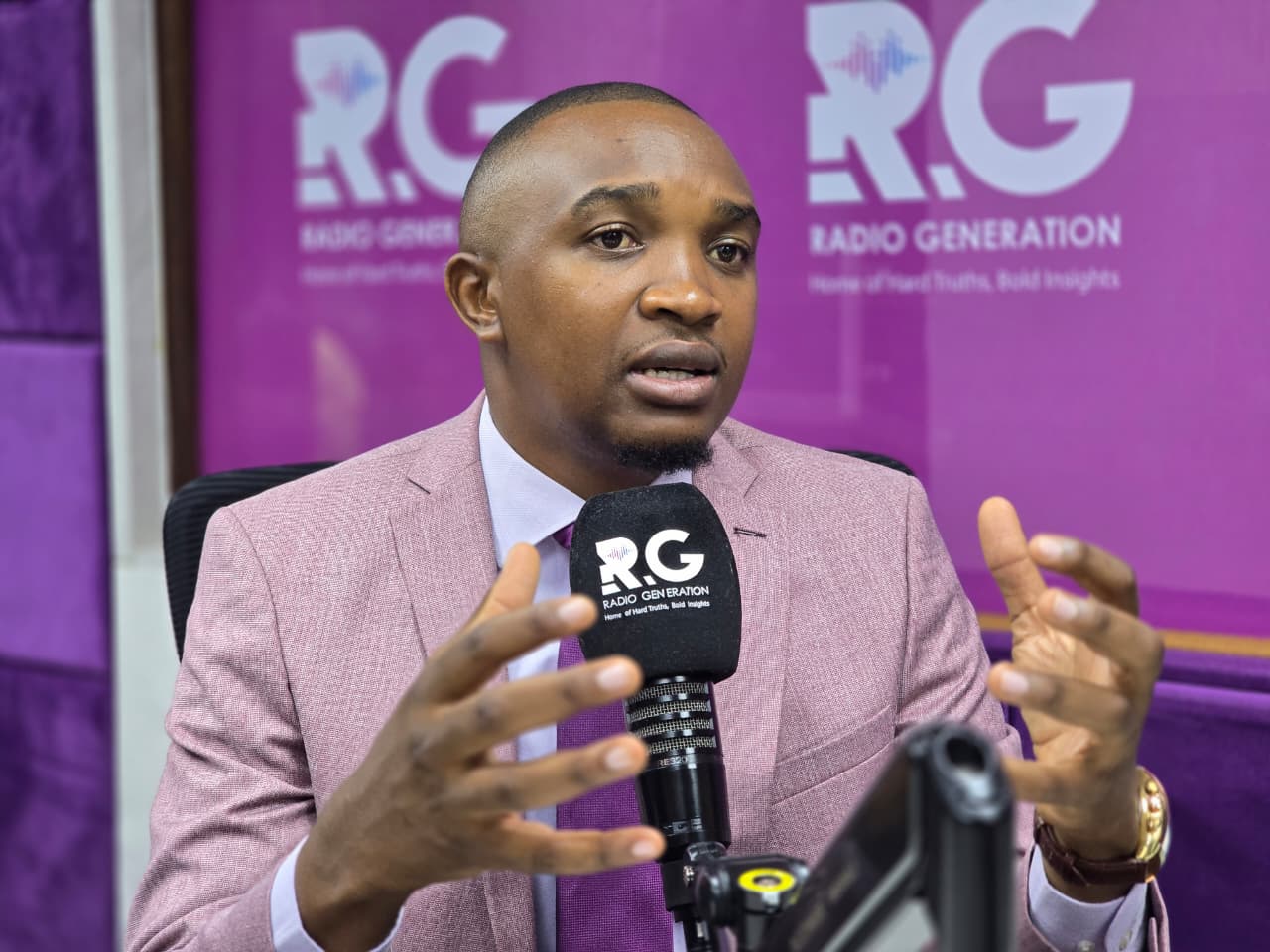
Inject Party leader Morara Kebaso says Kenya’s costly party registration rules and tribal loyalties block new entrants, as ORPP confirms strict legal thresholds and funding gaps ahead of 2027.
Inject Party leader Morara Kebaso has accused Kenya’s political system of making it hard for new players to enter the arena, saying high costs and strict rules are locking out fresh voices while protecting ethnic-based political structures.
Speaking during an interview on Radio Generation on Tuesday, Kebaso said his party had moved from provisional registration to filing for full registration after meeting the requirements set by the Office of the Registrar of Political Parties.
“We’ve proceeded now to file for final registration,” he said, explaining that the party had met conditions such as setting up offices in at least 24 counties.
Even so, he stressed that the formal requirements only tell part of the story. According to him, the real strain for new parties lies in the financial and logistical demands of meeting the law.
“If you’re registering a party from start to the end, the total you need can come easily to around six million shillings,” he said, pointing to expenses such as renting and furnishing county offices and supporting volunteers on the ground.
He said the cost of recruiting members across the country is even heavier.
“The bigger cost is in registration of members,” he said, noting that volunteers often need transport, accommodation and facilitation to carry out mobilisation. “It’s a serious cost.”
Kebaso contrasted that process with acquiring an already registered party, which he claimed can fetch between Sh12 million and Sh30 million depending on how compliant it is.
“Political parties in Kenya, unfortunately, they are sold,” he said. “It’s a very high bar of entry for people who want to organise themselves.”
The Registrar of Political Parties, John Cox Lorionokou, has previously outlined the legal path to registration under the Political Parties Act.
The process begins with provisional registration, where applicants must submit a party constitution, minutes of the founding meeting, a unique name, symbol and slogan, a statement of ideology, proof of member recruitment and pay a Sh100,000 fee.
After that stage, a party has 180 days to seek full registration. To qualify, it must present lists of at least 1,000 members in more than half of Kenya’s 47 counties, show regional, ethnic and gender balance in its leadership and establish a head office and branches in at least 24 counties. An additional Sh500,000 fee is required.
Addressing lawmakers at the 2026 Legislative Retreat, Lorionokou said Kenya currently has about 90 fully registered political parties and 32 others holding provisional certificates awaiting compliance checks.
He cautioned that limited funding at the registrar’s office has slowed down verification of offices and membership lists. As a result, several provisionally registered parties remain in limbo ahead of the 2027 elections because the office lacks enough resources to complete the required inspections before issuing full certificates.
Kebaso argued that these hurdles end up reinforcing older political formations built around ethnic leaders.
“You are being blocked from registering a political party. Therefore, the option you have is to go and join the political party of your local kingpin from your tribe,” he said.
He described the situation as one that boxes citizens into ethnic corners, making it easier for a few powerful leaders to negotiate political deals without engaging the wider public.
Turning to disputes within established parties, Kebaso suggested that some leadership changes have been pushed through quietly when public focus is elsewhere.
“When people were not paying attention, the leadership of ODM quick changes,” he said, comparing the timing to decisions made when people are distracted, especially when the late ODM Party Leader, Raila Odinga died.
He said young leaders who seek to challenge established parties must be clear about their strategy and final goal.
“Either you take over the party, or at some point you leave the party,” he said, urging reform-minded politicians to act decisively when public support is strong. “When a tide has come, ride it.”
Kebaso also spoke about what he called “sympathy consideration” in politics, arguing that being removed from office can sometimes boost a leader’s appeal.
“Sometimes the best thing that can happen to you is to leave your job,” he said, adding that political setbacks can create room for growth.
Still, he questioned whether youthful enthusiasm alone can deliver electoral victory.
“The Kenyan voter is still a voter that is aligned along tribal lines,” he said, casting doubt on the idea that young people automatically form a dependable voting bloc.
He pointed to recent by-elections, especially in Mbeere North, where turnout among young voters did not match the energy seen online.
“We waited until polls closed,” he said, suggesting that social media excitement does not always convert into votes at the ballot.
Kebaso maintained that real change will require civic education and reforms in campaign financing.
“The only key to this thing is civic education and campaign financing reforms,” he said, arguing that poverty and lack of awareness have long been used to sway voters.
He added that moving away from tribal based political formations would also weaken corruption networks that thrive on ethnic loyalty.
“Today we break away from tribal political parties, we will be set free,” he said.
Despite the obstacles, the Inject leader signalled readiness to work with others who share his reform agenda. “What I want is change,” he said, adding that he would back the creation of a new political vehicle if it advances that goal.
As the country edges closer to the next general election cycle, his remarks highlight growing debate over party control, generational leadership and whether new movements can overcome long standing political barriers. For Kebaso, the path forward lies in lowering entry costs, building a national base and turning public goodwill into real votes.




Comments
Sign in with Google to comment, reply, and like comments.
Continue with Google