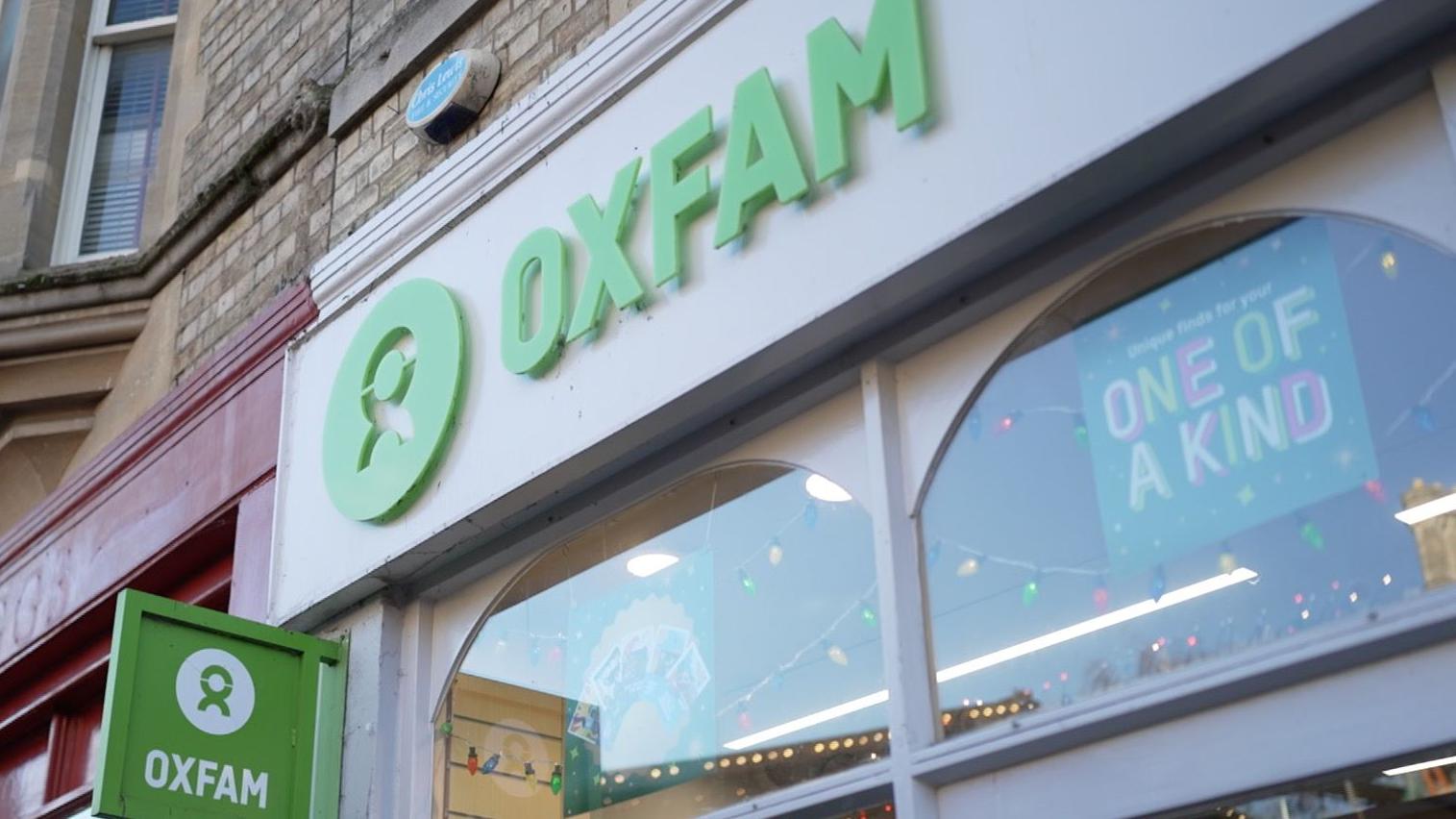
A child under the age of five could die every 40 seconds by the end of the decade as a result of U.S. humanitarian aid cuts, according to a new analysis released Thursday by Oxfam.
The warning comes one year after President Donald Trump’s administration began a sweeping rollback of U.S. foreign assistance, including a freeze on humanitarian funding and the closure of the U.S. Agency for International Development (USAID).
Oxfam says the reductions have already contributed to rising child mortality and the collapse of critical aid programs in some of the world’s most fragile regions.
Drawing on projections from The Lancet, the Institute for Health Metrics and Evaluation (IHME), and the Gates Foundation’s 2025 Goalkeepers Report, Oxfam estimates that more than 4.5 million additional child deaths could occur globally by 2030 if current funding levels persist.
Conservative estimates suggest that 200,000 children under the age of five died in 2025 alone due to the aid cuts—marking the first increase in global under-five mortality this century.
“Years of progress are unraveling,” said Abby Maxman, President and CEO of Oxfam America. “Children are suffering and dying from entirely preventable causes because lifesaving assistance was abruptly withdrawn.”
Between 2024 and 2025, U.S. humanitarian assistance fell from approximately $14.1 billion to $6.4 billion, according to data from the Carnegie Endowment for Peace.
While the Trump administration recently pledged $2 billion to the United Nations for humanitarian assistance, Oxfam described the funding as insufficient to offset earlier reductions and said there has been no indication of sustained future support.
The consequences are being felt across multiple crisis zones.
In South Sudan—where conflict and displacement have intensified following violence in neighboring Sudan—humanitarian funding has dropped to its lowest level since the country’s founding, according to Oxfam. Aid workers report rising cases of waterborne diseases and looming starvation.
“We are working with a fraction of the resources we had in previous years,” said Shabnam Baloch, Oxfam’s Country Director in South Sudan. “Without immediate intervention, we will be forced to scale down lifesaving programs.”
In the Philippines, aid organizations have also scaled back disaster preparedness efforts due to funding shortfalls. Last year, the country experienced some of the most powerful storms on record, leaving thousands of families displaced.
“Because of aid cuts, we canceled programs in eight communities, affecting more than 2,000 families,” said Mayfourth Luneta, Deputy Executive Director of the Center for Disaster Preparedness Foundation, an Oxfam partner. “As climate-related disasters accelerate, these gaps could cost lives.”
In Syria, the humanitarian organization GOPA-DERD reported that it was forced to eliminate education, mental health, and gender-based violence services for refugees and displaced families in order to retain limited U.S. funding under a restricted waiver. The organization later lost U.S. funding entirely.
“Thousands of people are now without the support they need to rebuild their lives after years of war,” said Sara Savva, the group’s Deputy Director-General.
Oxfam emphasized that while it does not accept U.S. government funding directly, it has been affected by the broader contraction of the global aid system, particularly as United Nations agencies and partner organizations scale back operations.
Before the 2025 cuts, the international humanitarian system was already under strain, meeting only about half of the funding requirements outlined in UN humanitarian appeals and leaving a global shortfall of more than $24 billion.
Oxfam called on Congress and the administration to restore humanitarian funding without political conditions and to prioritize support for frontline organizations operating in crisis settings. The organization said it is pursuing legal action, supporting local partners, and continuing advocacy efforts to mitigate the impact of the cuts.
“This is not an abstract policy debate,” Maxman said. “It is a life-and-death issue for millions of children and families.”































Comments
Sign in with Google to comment, reply, and like comments.
Continue with Google