The government has rolled out wide-ranging security and institutional reforms to modernize wildlife conservation and protect communities, Deputy President Kithure Kindiki has said.
He said the changes mark a shift toward a bold, science-led, and people-centered approach aimed at securing wildlife and supporting national development.
Speaking during the graduation of Kenya Wildlife Service cadet officers on Friday, Kindiki said conservation security has been strengthened through the recruitment and deployment of elite ranger units and expansion of the conservation workforce.
He said KWS has adopted modern surveillance systems, including AI-enabled tools, drones, satellite-linked patrol equipment, and upgraded digital radio networks to improve protection across parks and conservancies.
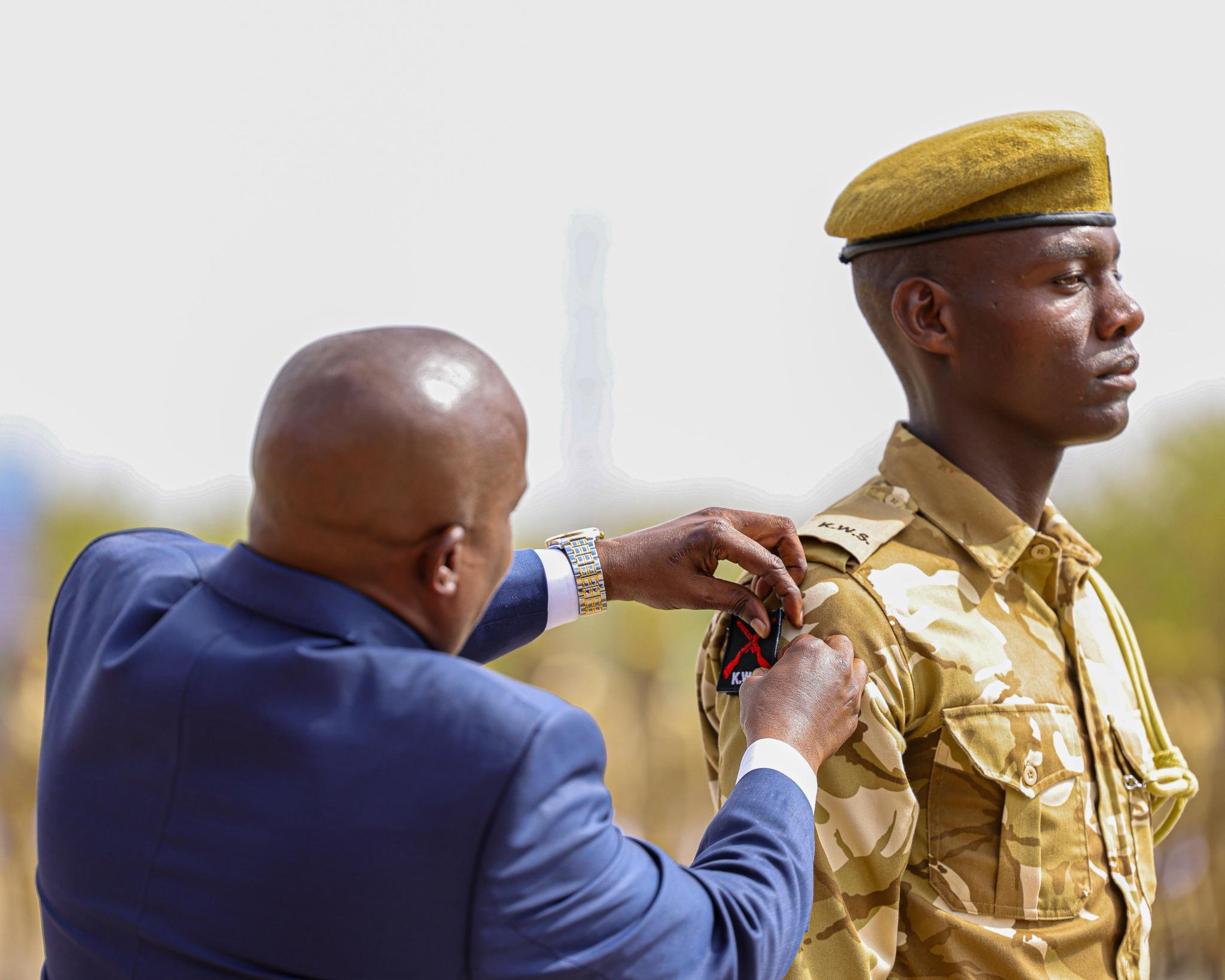
 Passing-out parade of KWS cadet officers at KWS Law Enforcement Academy, Manyani in Taita Taveta County, on December 19, 2025. PHOTO/DPCS
The DP also said rapid-response capabilities have been enhanced, allowing officers to respond swiftly to threats and human–wildlife conflict. Intelligence-led operations, he added, have improved the ability to prevent poaching and dismantle wildlife crime networks.
“Your recruitment and training reflect a deliberate investment in the future,” Kindiki said.
Going further, the Deputy President said the newly trained cadets form a younger, more agile, and more capable conservation force that will protect landscapes, visitors, and communities across the country.
He noted that for the first time, the cadets have undergone management training at the Kenya School of Government, equipping them with leadership and operational skills.
Kindiki said the government is establishing a National Wildlife Protection and Anti-Poaching Modernization Framework that integrates elite units, advanced surveillance, and a modern command-and-control network. Cross-border cooperation is also being strengthened to tackle international wildlife crime, alongside plans to set up a National Wildlife Forensics and Intelligence Centre.
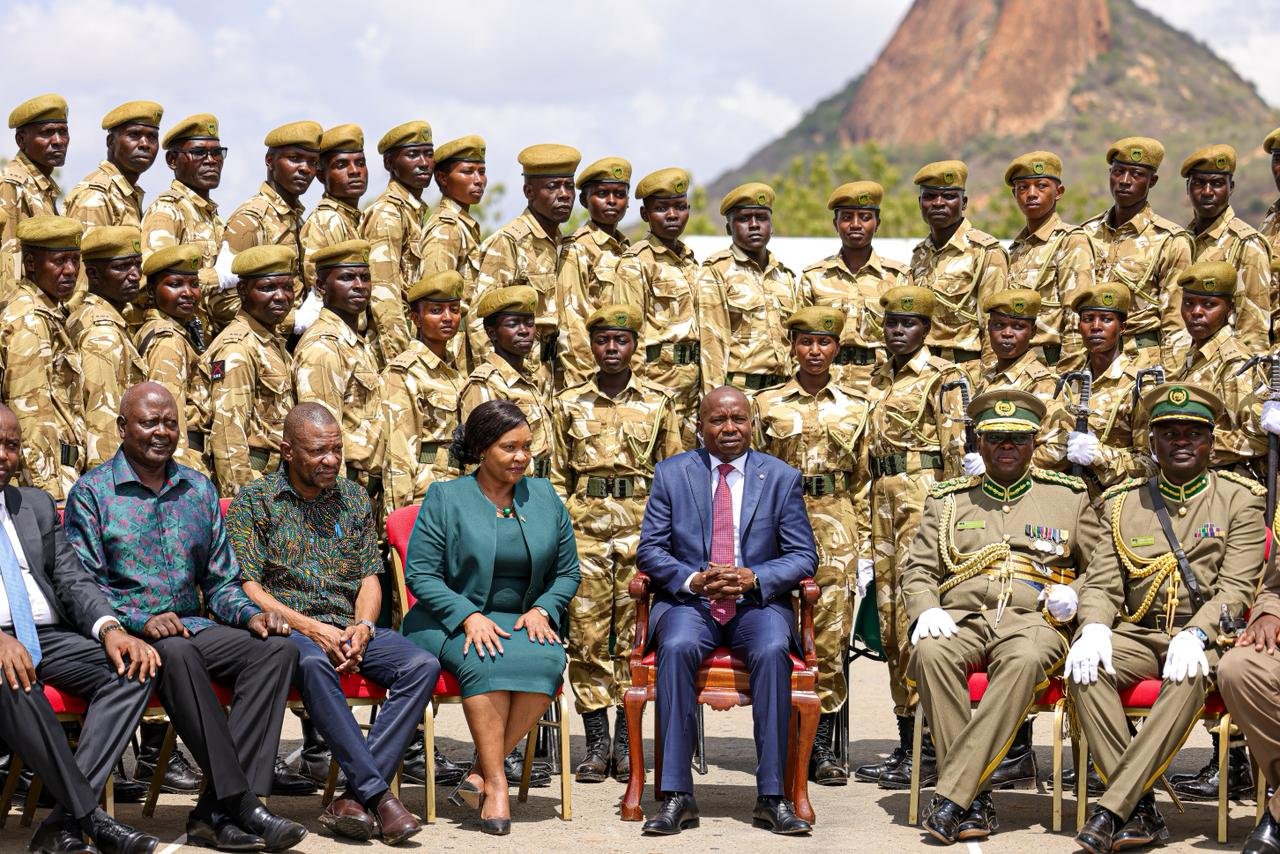 Deputy President Kithure Kindiki, Tourism CS Rebecca Miano and other leaders during the passing-out parade of KWS cadet officers at KWS Law Enforcement Academy, Manyani in Taita Taveta County, on December 19, 2025. PHOTO/DPCS
Kindiki said the recruitment of 1,500 rangers and cadets, improved welfare, specialized training, and a clear housing policy for officers in remote and high-risk areas are building a professional and motivated conservation force. He added that rangers will be protected by the law, and those who threaten them will face justice.
He emphasized that conservation authority must be matched with accountability and respect for human rights, noting that the rule of law must protect both people and wildlife.
The Deputy President said the government is also restoring ecological connectivity to give wildlife space to thrive.
He cited the Cabinet’s approval of the Nairobi National Park–Kapiti Wildlife Corridor and progress on other corridors, as well as the recent expansion of the Tsavo West Rhino Sanctuary, which he described as one of the most significant conservation actions in Kenya’s history.
He said conservation is being financed through green funding, clean energy, climate funds, carbon markets such as REDD+, conservation bonds, public–private partnerships, and multilateral financing to support habitat restoration, eco-tourism infrastructure, and community enterprises.
Kindiki said human–wildlife conflict remains a serious challenge and called for science-driven solutions, early-warning systems, fair compensation, and strong partnerships with communities. Addressing the graduating cadets, he said they are now equipped to respond to emerging threats in wildlife protection, environmental security, and natural resource governance.
“You now join a noble tradition of service. Carry it with pride,” he said.