County leaders are intensifying demands for the dismantling of the Kenya Rural Roads Authority (KeRRA) and the Kenya Urban Roads Authority (KURA), claiming the two agencies hinder efficient road management and duplicate county responsibilities.
Governors and senators argue that transferring funds directly to counties would streamline project delivery, boost accountability, and allow local governments to maintain and upgrade roads more effectively.
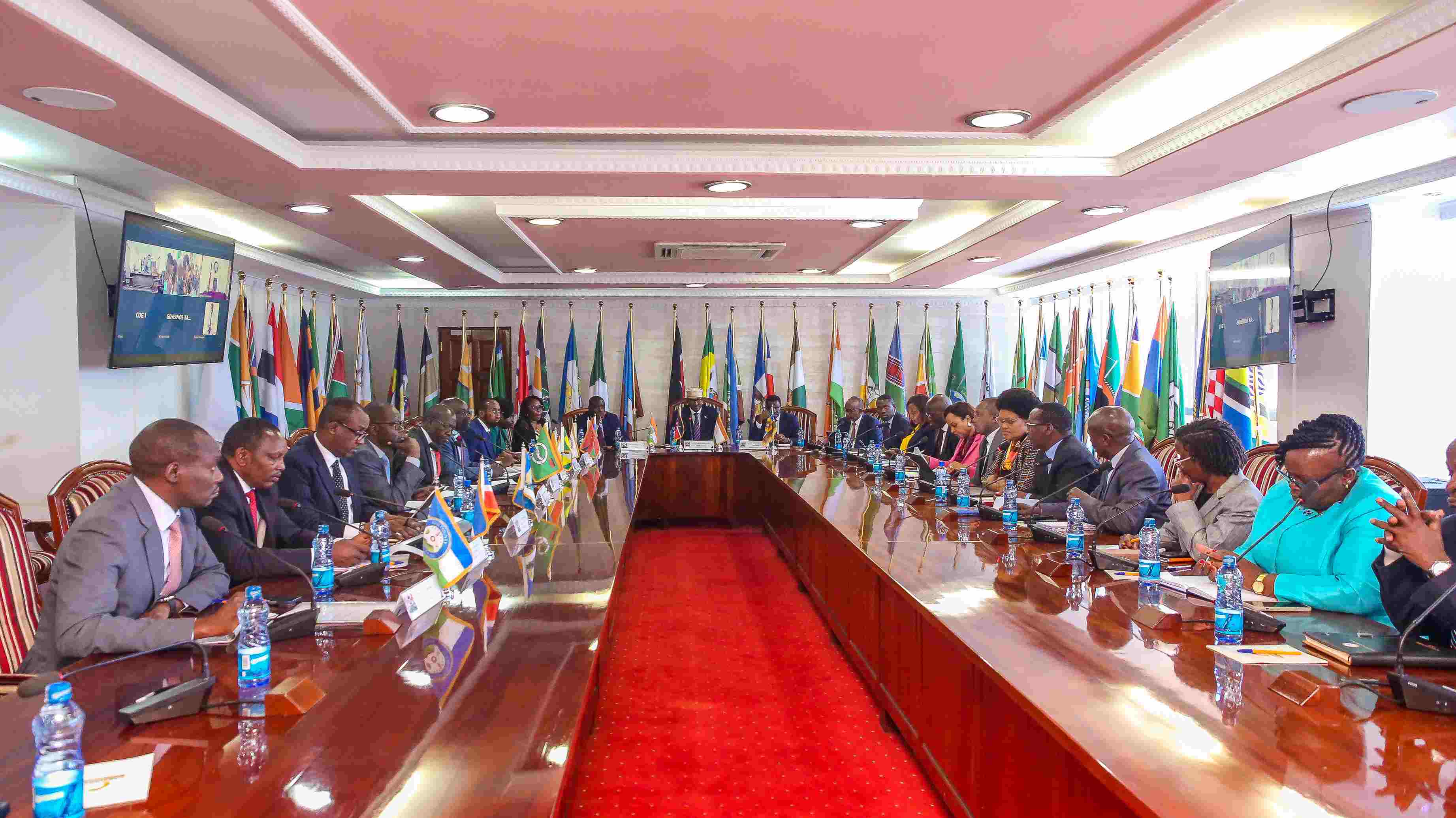
The issue came to light during a recent Senate County Public Accounts Committee session, where leaders cited delays in road construction and maintenance under KeRRA and KURA.
They stressed that devolution has empowered counties with both the mandate and technical capacity to handle their own road networks, yet the agencies continue to control major projects and funds without sufficient coordination with local governments.
Homa Bay Senator Moses Kajwang’ noted that counties are now capable of handling road functions independently. “If a function is better carried out by a level of government, then it should be left to do so. We must fast-track legislation that brings county roads under the devolved units," he said.
He highlighted that many counties have invested in modern machinery, leaving KeRRA underused and overly reliant on subcontractors.
Narok Governor Patrick Ntutu told the committee that his county had invested Sh1.6 billion in 120 heavy-duty machines for road works, demonstrating that local governments can oversee road projects without external intervention.
Similarly, Nairobi Governor Johnson Sakaja said that national agencies often implement road projects without consulting county officials, causing confusion and delays. He pointed out that county-managed roads represent nearly 70 per cent of the country’s entire road network.
A key sticking point is the Roads Maintenance Levy Fund (RMLF), which collected Sh119.7 billion last year. Governors claim that only a fraction of the money reaches counties, limiting their ability to address local road priorities.
Direct control, they argue, would enable counties to carry out timely repairs, upgrade infrastructure, and respond to urgent community needs without delays.
Kisumu Governor Anyang’ Nyong’o criticised the agencies for slow project execution and alleged mismanagement of resources. He referenced earlier task force recommendations and outcomes from the 11th National and County Government Coordination Summit in 2024, which suggested either devolving the agencies’ mandates to counties or merging them to reduce inefficiency.
The debate over control of road funds has also attracted national attention. Former Prime Minister Raila Odinga had called for scrapping the agencies, saying they weaken devolution. In contrast, President William Ruto has defended retaining national oversight of the RMLF, citing past cases of mismanagement in counties and concerns about substandard construction.
As the discussion continues, county leaders maintain that giving local governments direct control over road projects and funds is critical to improving service delivery, ensuring accountability, and strengthening the devolved system of government.