The United Nations has raised serious concerns over the fate of Tanzanian citizens reportedly killed or detained after the October 29 General Election, urging the government to conduct an immediate and independent inquiry.
UN High Commissioner for Human Rights Volker Türk said the office received multiple credible reports suggesting that security forces may have been involved in hiding the bodies of hundreds of civilians in the aftermath of the vote.
“Reports of families desperately searching everywhere for their loved ones, visiting one police station after another and one hospital after another, are harrowing,” Türk said on Tuesday. “I strongly urge the Tanzanian authorities to provide information about the fate and whereabouts of all those missing, and to hand over the bodies of those killed to their loved ones so that they can be given dignified burials.”
Türk also voiced alarm over accounts that police and soldiers removed corpses from streets and hospitals and moved them to unknown locations, allegedly attempting to hide evidence of killings.
“There are also disturbing reports that security forces have been seen removing bodies from streets and hospitals and taking them to undisclosed locations in an apparent attempt to conceal evidence,” he said.
The UN chief called on the government to investigate all reports of violence, torture, and arbitrary detentions thoroughly and transparently and to hold those responsible to account.
He also demanded the release of opposition leaders and civilians imprisoned during the election period, including Chadema party leader Tundu Lissu, who remains detained on treason charges.
Since the election, authorities have arrested over 150 people, including minors, many of whom face unclear legal charges.
“It is essential that all those arrested or detained on criminal charges are promptly presented before a judicial officer and can effectively contest the lawfulness of their detention,” Türk said, stressing the importance of respecting international human rights standards.
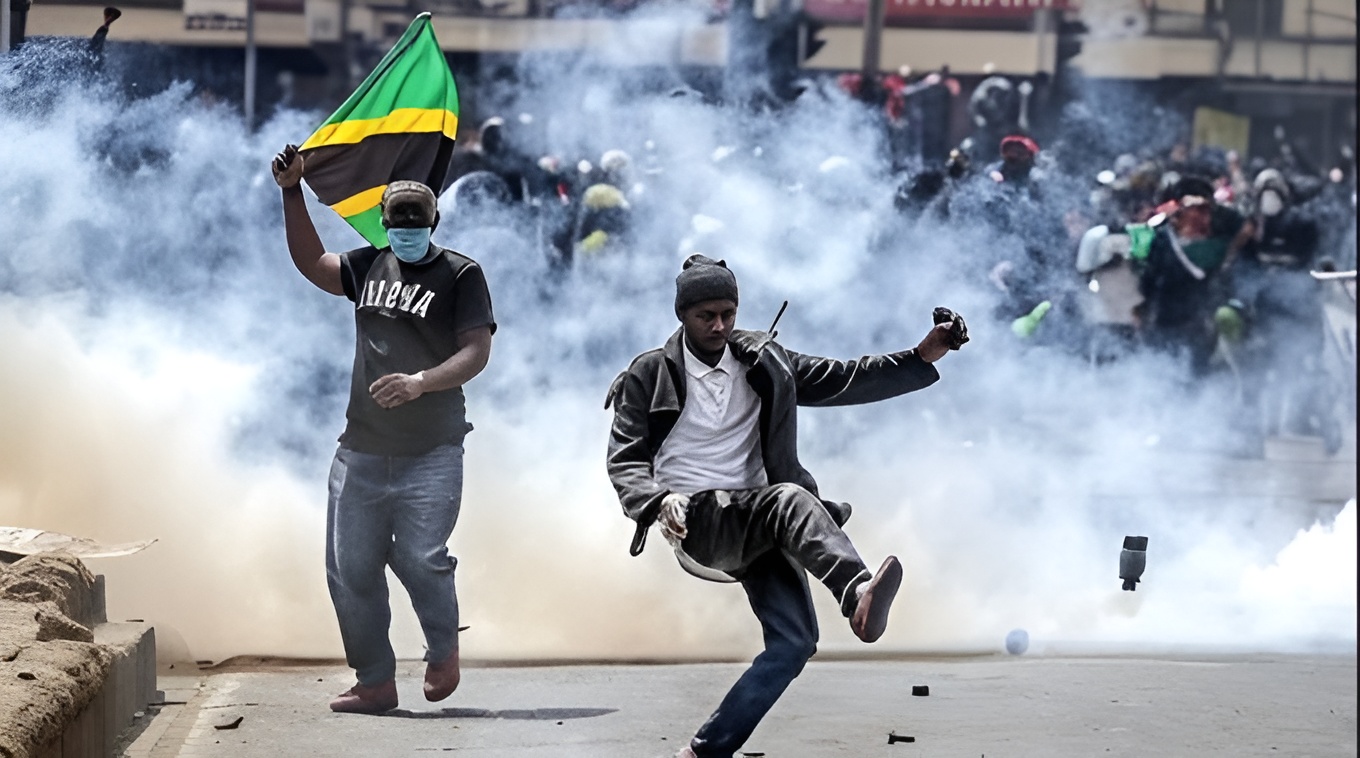
President Samia Suluhu Hassan was declared the winner with 98 per cent of the vote, a result that triggered widespread protests led by youth and opposition members who questioned the credibility of the polls.
The Chadema party claims more than 700 people died in post-election violence, while diplomatic sources estimate at least 500 deaths. The UN Human Rights Office verified 10 deaths in three cities but cautioned that the actual toll may be far higher.
Eyewitnesses in Dar es Salaam, Arusha, and Mwanza described ongoing night raids, with hospitals overwhelmed and families denied information about relatives who were arrested or killed.
Foreign Minister Mahmoud Kombo Thabit dismissed the reports as “gross exaggerations” and described the unrest as “a few isolated incidents,” defending the internet shutdown as necessary “to prevent false information.” He reiterated the government’s commitment to peace while accusing international critics of interfering in domestic matters.
Several foreign missions, including the European Union and United States, have expressed alarm over the situation, urging Tanzania to allow independent investigations, restore communications, and uphold human rights.
The African Union election observation team, led by former Botswana President Mokgweetsi Masisi, reported that the elections failed to meet international and regional standards, citing excessive use of force, arrests of opposition figures, and restrictions on political activity.
Similar assessments were issued by the Southern African Development Community and the Commonwealth, which highlighted legal and institutional barriers that blocked judicial review of the presidential results.
Despite international pressure, President Suluhu maintains that the elections were peaceful and legitimate. She dismissed criticism as “unwarranted interference” during a closed inauguration at a military base in Dodoma on November 3, which was off-limits to the public and foreign media.































Comments
Sign in with Google to comment, reply, and like comments.
Continue with Google