The United States has started a wide-ranging recall of its ambassadors and senior diplomats from at least 30 countries, signalling a major shift in how it manages its foreign missions. Officials describe the move as a broad reorganisation of the diplomatic service that will take effect early next year.
African countries will be the most affected by the decision, with 15 nations scheduled to see their American envoys leave in January. These include Nigeria, Uganda, Senegal, Rwanda, Somalia, Ivory Coast, Cameroon, Burundi, Gabon, Mauritius, Madagascar, Cape Verde, Niger, Algeria and Egypt.
Changes are also planned across Asia, where eight countries will experience ambassadorial departures. These include the Philippines, Vietnam, Laos, Fiji, Papua New Guinea, the Marshall Islands, Nepal and Sri Lanka.
In Europe, the recall will affect diplomatic missions in Armenia, Macedonia, Montenegro and Slovakia. Guatemala and Suriname will also be impacted in the Americas as part of the same exercise.
Reports show that official notices were issued to the diplomats earlier this week, informing them that their assignments would end in January. Many of those affected took up their roles during the administration of Joe Biden.
Even so, the recalls do not mean the diplomats are being removed from government service. According to additional reports, they will continue to serve within the Foreign Service and may return to Washington to assume other roles.
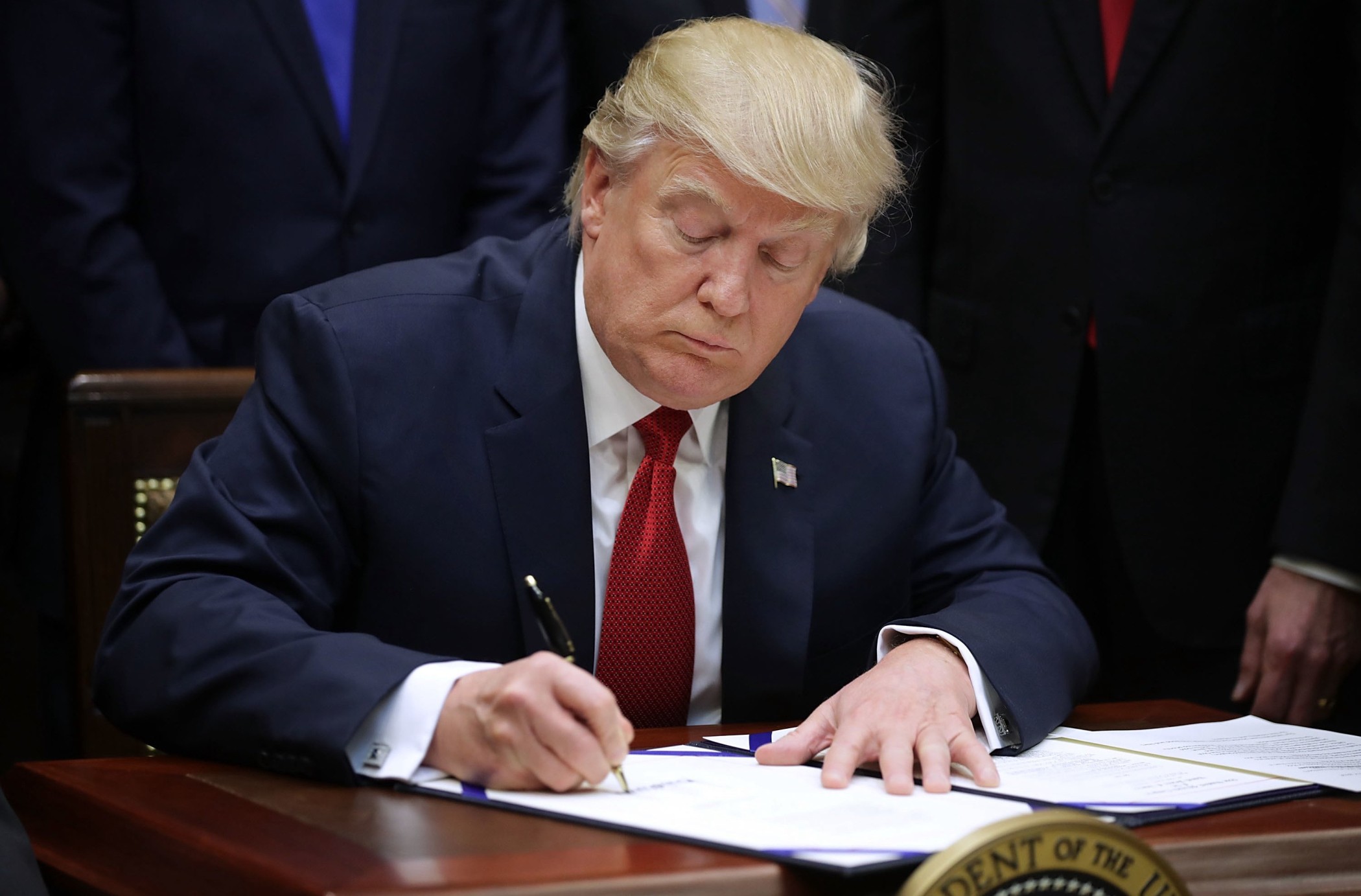
The changes are linked to President Donald Trump’s plan to reshape the diplomatic corps by placing officials who support his “America First” policy in key overseas posts. The administration views the move as necessary to ensure closer alignment between foreign missions and presidential priorities.
This is not the first major shift at the State Department this year. Earlier changes led to the exit of more than 1,300 staff members based in Washington, including hundreds of foreign service officers. The US State Department has said such transitions are normal, noting that ambassadors hold their positions at the discretion of the sitting president.
Still, the scale of the recall has alarmed the American Foreign Service Association, which represents US diplomats. The group warned that the decision could weaken trust among international partners and further strain an already pressured workforce.
“It tells our allies that America’s commitments may shift with the political winds. And yet again, it tells our public servants that loyalty to country is no longer enough, that experience and oath to the Constitution take a backseat to political loyalty,” the organisation said in a statement.
“This is not how America leads.”
Those concerns echo findings from a report released by the association earlier this month, which pointed to mounting challenges within the Foreign Service. The report highlighted staff departures, falling morale and a reduced ability to carry out diplomatic duties effectively.
The findings were drawn from a global survey involving more than 2,100 active-duty Foreign Service officers. Nearly all respondents, 98 per cent, reported lower morale, while 86 per cent said recent developments had limited their ability to advance US foreign policy goals.
“This report is a wake-up call,” said John Dinkelman, president of AFSA.
“America’s diplomats are being asked to represent and defend this country at a time of growing global instability while the institution that supports their work is being hollowed out in real time.”































Comments
Sign in with Google to comment, reply, and like comments.
Continue with Google