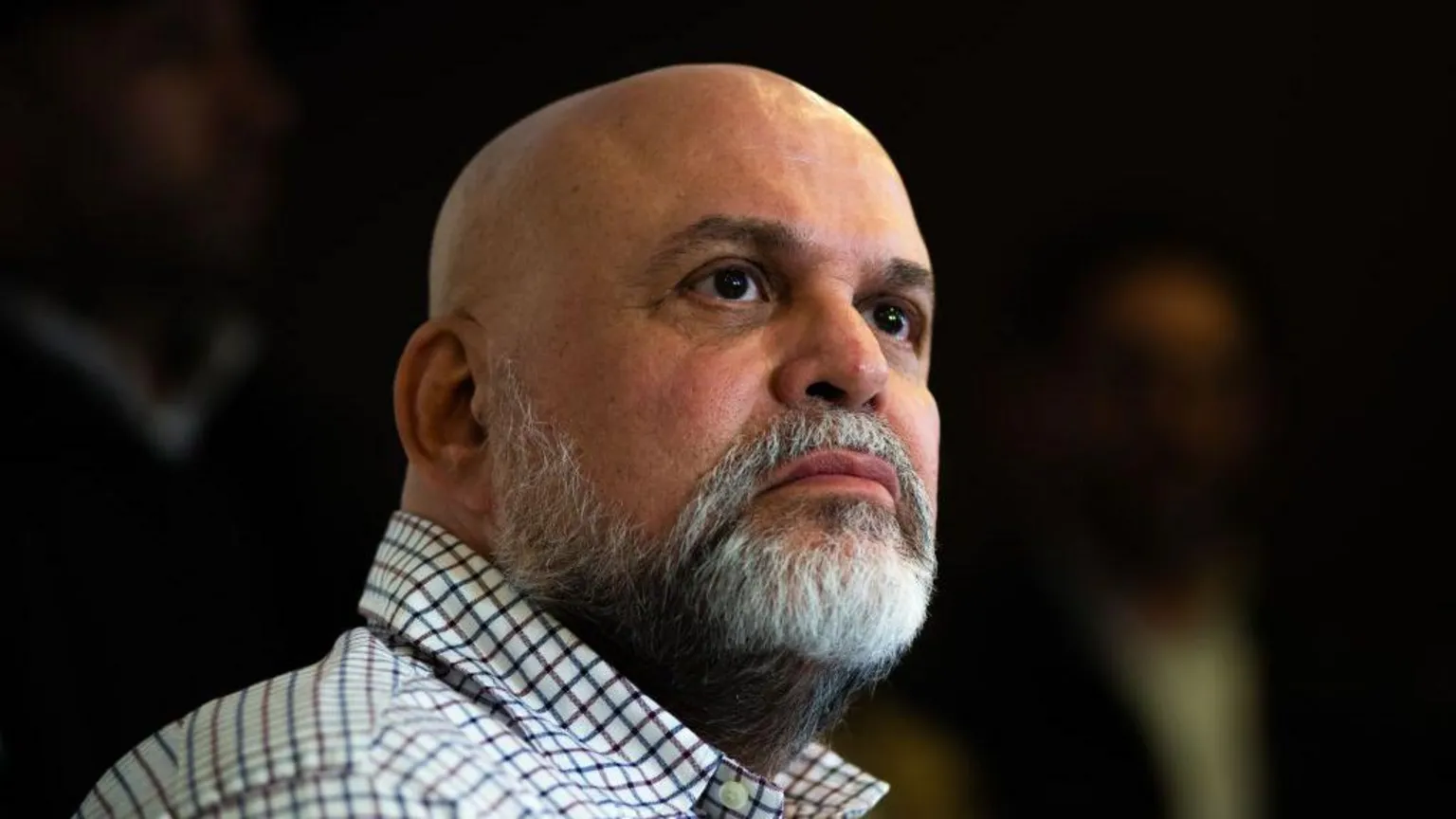
A Colombian court has handed former paramilitary leader Salvatore Mancuso a 40-year prison term for killings and forced disappearances carried out during some of the bloodiest years of the nation’s armed conflict.
Mancuso was a key commander of the United Self-Defence Forces of Colombia (AUC), a right-wing paramilitary group that began as a force to protect landowners from guerrilla attacks but later engaged heavily in drug trafficking.
The court determined that under Mancuso’s leadership, AUC fighters committed over 100 crimes in La Guajira province from 2002 to 2006. These acts included murders, disappearances and gender-based violence, often directed at indigenous communities.
At 61 years old, Mancuso was sentenced Monday by a special tribunal set up to handle cases related to Colombia’s decades-long conflict. According to a truth commission, at least 450,000 people died in the fighting between 1985 and 2018.
The tribunal added that Mancuso’s 40-year sentence could be reduced to eight years if he cooperates with transitional justice initiatives and participates in reparations for victims.
Mancuso’s name has long been linked with atrocities committed by the AUC in the 1990s and early 2000s. The court said that the paramilitary group targeted the Wayuu indigenous population in La Guajira, subjecting them to violence and intimidation.
Judges documented 117 crimes in the province, ranging from killings and disappearances to sexual abuse. Indigenous communities were caught in the crossfire, often pressured by both guerrilla groups and paramilitaries.
Marxist rebels forcibly recruited indigenous children into their ranks, keeping them in camps where they were made to work and sometimes fight. Meanwhile, paramilitary groups accused local communities of siding with rebels, forcing families from their lands and instilling fear through violence.
Although the AUC signed a peace deal with the Colombian government in 2005, some factions refused to disarm and deepened their involvement in the drug trade to fund ongoing operations.
Mancuso was extradited to the United States in 2008 on drug trafficking charges. In 2015, he was sentenced for smuggling large amounts of cocaine “to arm a paramilitary force of more than 30,000 fighters and cement his control over regions of Colombia,” according to the US justice department.
After completing his term in the US, Mancuso sought to move to Italy, but his request was denied and he was deported back to Colombia in 2024.
Back in the country, he offered testimony on alleged links between politicians, business figures, and the AUC. The government of President Gustavo Petro appointed him a “promoter of peace,” saying he would help mediate with illegal armed groups still active in Colombia.
Human rights organisations strongly criticised this move, citing the serious crimes committed under Mancuso’s command and questioning the government’s decision to involve him in peace efforts.































Comments
Sign in with Google to comment, reply, and like comments.
Continue with Google