A section of the State House Nairobi perimeter wall built on riparian land has been earmarked for demolition, marking a significant escalation in efforts to reclaim Nairobi’s waterways under the ongoing river regeneration programme.
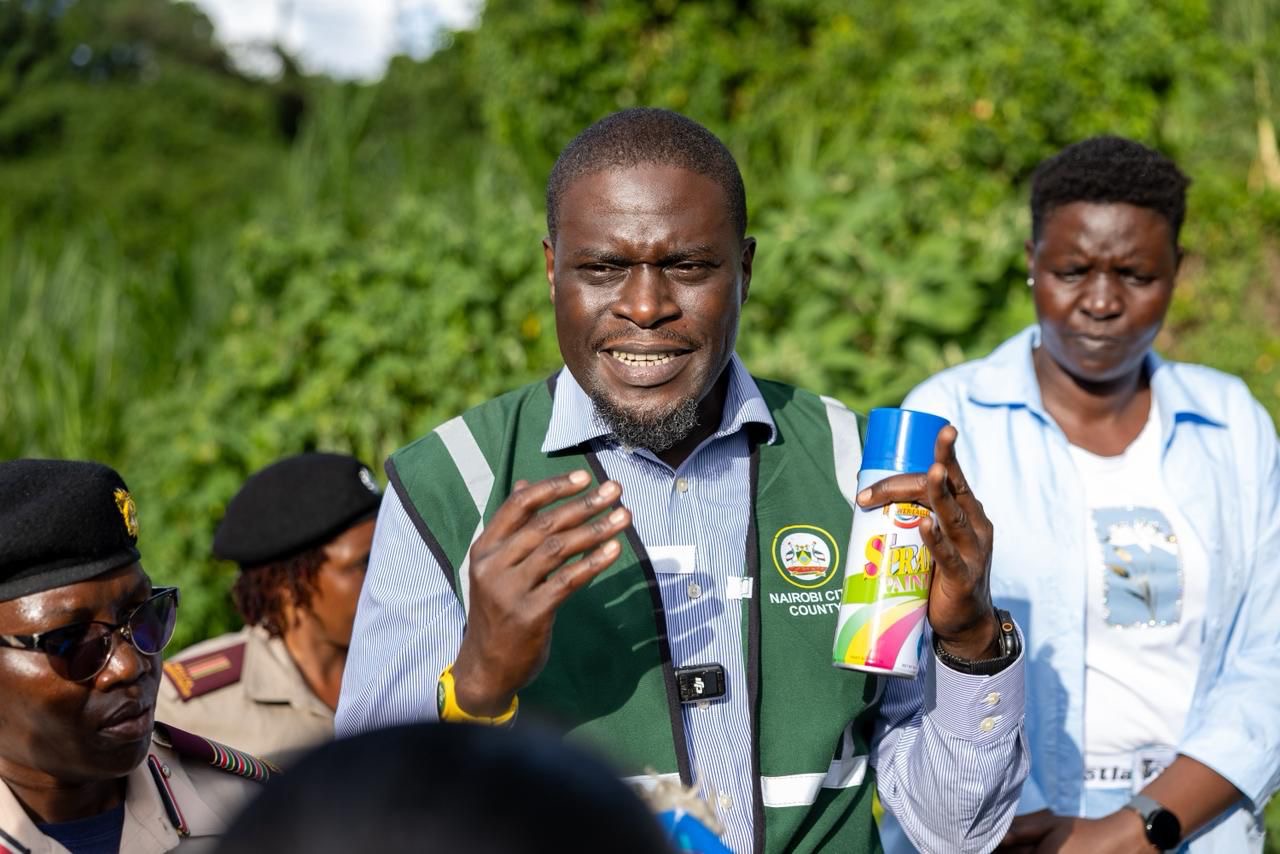
The move was announced on April 14, 2026, as Nairobi Governor Johnson Sakaja led a multi-agency team in inspecting and marking the structure. The team included officials from the Nairobi River Commission, the State House administration, and the Nairobi West County Commissioner.
Sakaja described the decision as a powerful demonstration of leadership and accountability, noting that compliance with environmental regulations must begin at the highest level of government.
“I want to thank the President. He is the primary tenant here and has led by example. If this wall at State House can come down, then every other structure along the riparian land must also be removed,” the Governor said.
The demolition forms part of the broader Nairobi River Regeneration Programme, a multi-billion-shilling initiative aimed at restoring degraded river ecosystems, reclaiming encroached riparian reserves, and transforming the capital’s urban landscape.
Authorities say more than Sh50 billion has been allocated to the programme, which includes river cleanup, construction of pedestrian and cycling corridors, and the development of public recreational spaces along the waterways.
“We are restoring the Nairobi River, creating walkways, reclaiming riparian land, and transforming the city. The walkways will serve as transport corridors where people can walk or cycle safely, with lighting and security,” Sakaja said.
According to the Governor, the project is expected to significantly improve mobility and connectivity within the city, linking key neighborhoods through environmentally sustainable corridors.
“You will be able to move from Eastleigh to Westlands along the river in a clean, secure and scenic environment,” he added.
The initiative also encompasses major infrastructure upgrades, including the construction of a modern Gikomba Market and the redevelopment of areas such as Globe Roundabout.
In areas like Westlands, public participation forums are ongoing to engage residents and stakeholders in the planning process.
Officials cited previous progress under the programme, including the reclamation of riparian land along the Kibagare River near the Westgate area, where a public park is currently under development.
Despite the ambitious scope of the project, authorities acknowledged challenges, including resistance from some quarters.
Sakaja cautioned against political interference, urging leaders and residents to support the initiative.
“It is unfortunate that some politicians are misleading people against what is beneficial for all of us. This programme is for the good of Nairobi,” he said.
He also issued a safety warning to residents, particularly youth, against scavenging materials from partially demolished structures.
“We will not allow people to risk their lives by scavenging from unsafe structures. Demolitions will be supervised to ensure safety,” he emphasized.
In addition to river restoration, the county government is undertaking complementary projects such as the rehabilitation of Nairobi Dam and improvements to urban infrastructure, including road networks and street lighting.
Authorities say the Nairobi River Regeneration Programme represents a long-term strategy to restore ecological integrity, enhance urban resilience, and reposition Nairobi as a modern, sustainable city.































Comments
Sign in with Google to comment, reply, and like comments.
Continue with Google