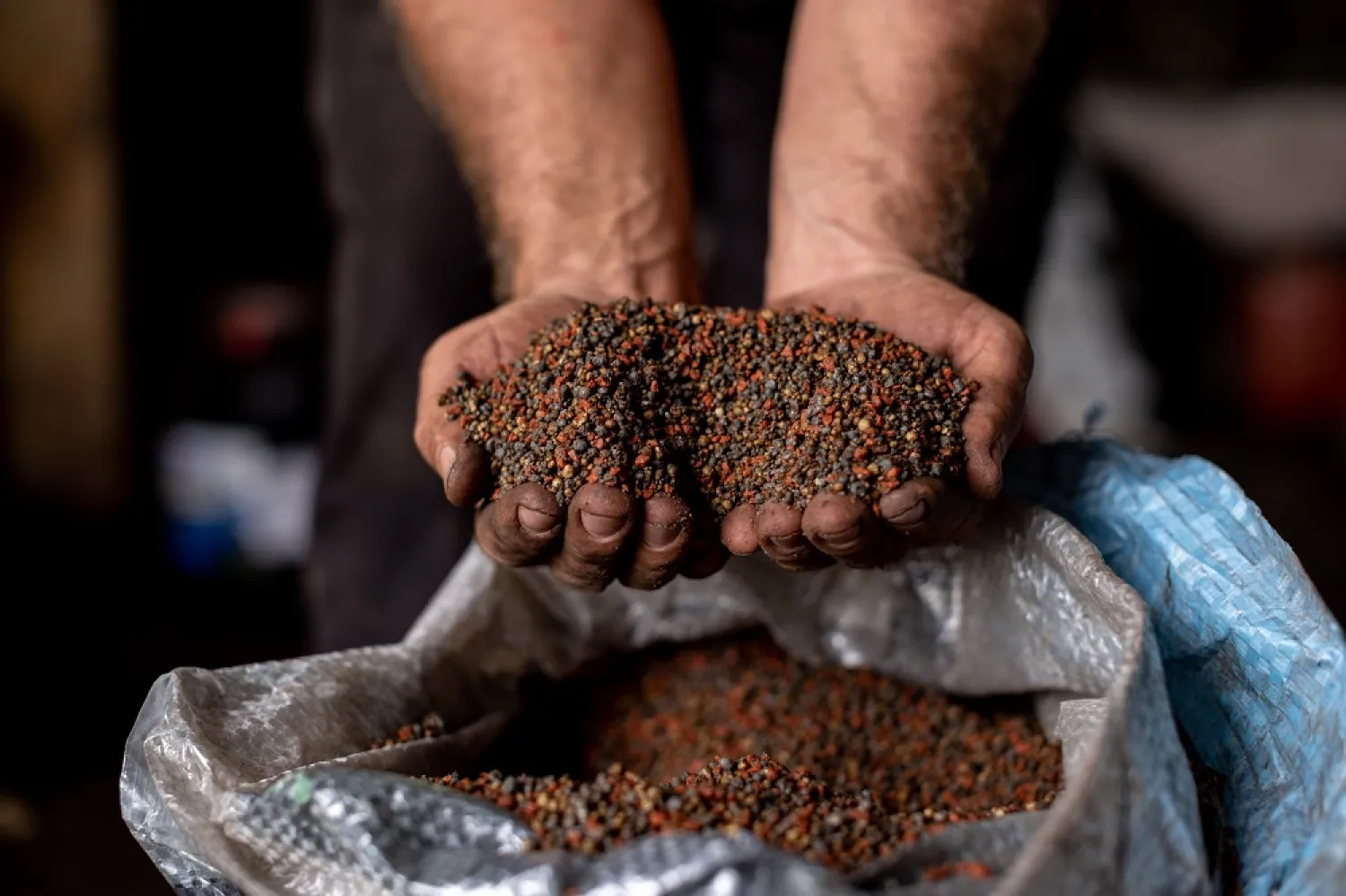
Kenyan farmers may be heading into a difficult planting period as rising global fertiliser costs threaten to push food prices higher and strain already stretched household budgets.
Fresh findings from the World Bank point to fertiliser as the only major commodity whose prices are still climbing worldwide, raising concerns that local food production may become more expensive in the coming months.
According to the World Bank’s October 2025 Commodity Markets Outlook, fertiliser prices have climbed by roughly 19 to 21 percent compared to the same period last year.
Unlike energy, metals and food commodities that are showing signs of easing, fertiliser costs continue to move upward, creating a worrying gap for food-producing nations that rely heavily on imports.
“Fertiliser prices have continued to climb, by 19 percent in the first nine months of 2025 (yearon-year), reflecting strong demand, the effects of trade restrictions, and production shortfalls,” notes the Bank.
The report points to global supply challenges tied to policy restrictions in key exporting countries. China, one of the world’s biggest fertiliser suppliers, has reduced exports of nitrogen and phosphate fertiliser.
At the same time, Belarus — a top potash supplier — remains under European Union sanctions, while both Belarus and Russia are facing additional tariffs from the EU, further limiting access and tightening supply chains.
“China has restricted exports of nitrogen and phosphate fertilisers, while Belarus —a major potash supplier— remains under EU sanctions. Together with Russia, it is also subject to new EU tariffs on fertilisers,” says the World Bank.
These disruptions come even though other major commodities are projected to become cheaper. The report anticipates that global energy prices will fall by 12 percent in 2025 and then drop again by 10 percent in 2026, while food and metals are expected to ease modestly.
Fertiliser remains the exception, staying well above pre-pandemic price averages.
For Kenya, the timing is troubling. The country depends mostly on imported fertiliser from markets including China, Russia and Saudi Arabia. With international prices rising, the cost of shipping fertiliser into the country is expected to remain high.
This is likely to impact the local market, even as the government continues to provide subsidised fertiliser through its national support programme.
For many farmers, increased input costs can result in reduced use of fertiliser or smaller planting areas, both of which may hurt harvest output. Any decline in production risks feeding into consumer prices, putting pressure on households that are already dealing with high living expenses.
While government subsidies are cushioning part of the burden, global trends suggest persistent pricing pressures. This means Kenya may need to sustain higher spending to keep fertiliser accessible, especially for small-scale farmers who depend on support to maintain crop yields and food supply.































Comments
Sign in with Google to comment, reply, and like comments.
Continue with Google