The January window slammed shut with drama, bargains, and a few bruising misses. Some clubs rewired their squads with surgical precision, others scrambled and stumbled, and a handful watched prized assets walk away. Here’s a vivid look at the winners who reshaped the second half of the season — and the market moments that will echo long after the deadline.
Manchester City Masterclass
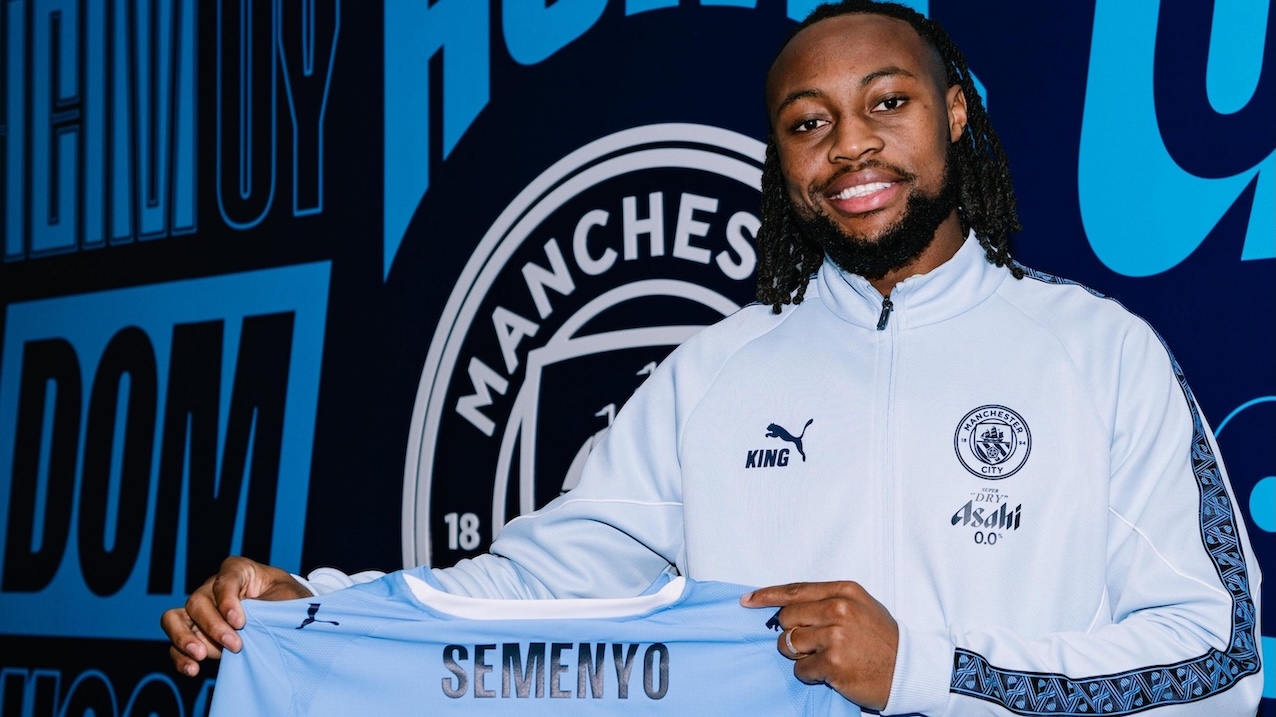
City returned to the market with purpose and left with impact. The headline grab was Antoine Semenyo from Bournemouth for an initial £62.5 million, a direct answer to an attack overly dependent on Erling Haaland. Semenyo’s early returns — goals and dynamism — already justify the outlay.
When injuries struck at the back, City reacted fast, landing Marc Guéhi for about £20 million, a bargain for a proven England international. The sale of Oscar Bobb to Fulham for £27 million helped balance the books, leaving Pep’s side stronger, deeper, and ready to sustain a title push.
Aston Villa Precision and Poise
Aston Villa navigated a tricky market under financial constraints and came away with smart, decisive business. Replacing Donyell Malen with Tammy Abraham for €21 million was a masterstroke — a striker who fits Unai Emery’s system and accepted a wage cut to return to the Premier League.
When injuries ravaged Villa’s midfield, they moved quickly to bring Douglas Luiz back on loan with a €25 million option, restoring leadership and balance. Emery also recalled Leon Bailey and added teenage prospects Alysson and Brian Madjo, blending immediate fixes with long-term planning.
AFC Bournemouth Turned a Loss into Opportunity
Bournemouth lost Semenyo but did it on their terms, using the release clause window to secure a replacement early. The gamble on Brazilian wonderkid Rayan looks promising — he’s already contributing assists and flair. The club also signed Alex Tóth for £10.4 million, a smart piece of future-proofing, and brought in goalkeeper Christos Mandas on loan to shore up a shaky position. The Cherries sold well and reinvested shrewdly.
Paris Saint-Germain Strategic Snatch
PSG made a single, subtle move that punches above its weight. Dro Fernández, Barcelona’s prized academy talent, arrived for roughly €8 million — a fee that slightly exceeded his release clause but secured a blue-chip prospect. It wasn’t headline-grabbing spending, but it was a statement: PSG will still outmaneuver rivals for elite young talent.
Atlético Madrid Rebooted with Flair
Atleti were the engine of LaLiga’s January action. They cashed in on Conor Gallagher for €40 million and moved Giacomo Raspadori on for €25 million, then reinvested in attack and youth. Ademola Lookman arrived for €35 million, while promising midfielders Obed Vargas and Rodrigo Mendoza were targeted to future-proof the squad. Atlético reshaped their roster with ambition and balance.
January Window Losers: When Plans Backfired and Hopes Faded
The transfer window slammed shut and for some clubs the final whistle sounded on a month of missed chances, botched timing, and deals that never materialized. Here are the teams that came away bruised, their midseason ambitions left wanting.
Liverpool — Reinforcements Arrive Too Late
Liverpool made the headline signing of the deadline, landing Jérémy Jacquet from Rennes for a reported £55–60 million, a coup that promises to shore up their defence — but only from July. That delayed arrival is the sting. With Giovanni Leoni out for the season with a torn ACL and other defensive options thin, Jurgen Klopp’s side must grind through the run-in with a threadbare backline.
Attempts to plug gaps at right-back collapsed, a recall for Kostas Tsimikas from Roma failed, and a pursuit of Lutsharel Geertruida fizzled out. In short, Liverpool chased several fixes in January and left with one future solution, forcing them to rely on what they already have for the crucial months ahead.
Crystal Palace — From High to Havoc
Less than a year after historic highs, Palace endured a January that threatened to unravel the club. Captain Marc Guéhi left for a paltry £20 million as his contract entered its final months, and manager Oliver Glasner announced his own impending departure, sparking unrest. Star striker Jean-Philippe Mateta pushed for a move, only for a medical to reveal a serious knee issue that scuppered a transfer to AC Milan and left Palace stuck with an injured, unhappy forward.
Defensive reinforcements never arrived, leaving a glaring hole at the back. The club did spend on attacking options — Brennan Johnson and Jørgen Strand Larsen — but the window felt reactive, chaotic, and costly in cohesion.
Tottenham Hotspur — Band-Aids Where Bold Moves Were Needed
Spurs entered January amid an injury crisis and left with incremental fixes that barely move the needle. Souza arrived for £13 million and offers depth at fullback, James Wilson joins on loan, and Conor Gallagher was signed for €40 million to inject energy into midfield. Individually these are sensible additions, but collectively they don’t solve Tottenham’s immediate tactical problems.
What was missing was a decisive winger to cover a ravaged flank. Targets were chased but none landed, leaving Spurs with reinforcements that look promising for the future rather than transformative for the present.
The Window’s Takeaway
This January belonged to clubs that combined speed, strategy, and financial savvy. Winners were those who reacted to crises with clarity, replaced departures with purpose, and invested in both present impact and future depth. The losers were the teams that hesitated, misread the market, or were forced into sales. As the second half of the season unfolds, these transfer decisions will be measured in points, momentum, and the drama that only football can deliver.
The Verdict
This window punished hesitation and rewarded clarity. The losers were teams that reacted late, misread priorities, or accepted short-term fixes that fail to address structural problems. As the second half of the season unfolds, these clubs will be judged not by the deals they tried to make, but by how they cope with the consequences of January’s near-misses.