Extreme weather is increasingly threatening communities and economies in the Greater Horn of Africa, raising concerns over food security and regional stability, climate experts have said.
The warning came during the opening of the 72nd Greater Horn of Africa Climate Outlook Forum (GHACOF 72), hosted by the IGAD Climate Prediction and Applications Centre (ICPAC) in Nairobi on Monday.
The event gathers policymakers, scientists, and development partners from across the region to assess climate trends and plan responses.
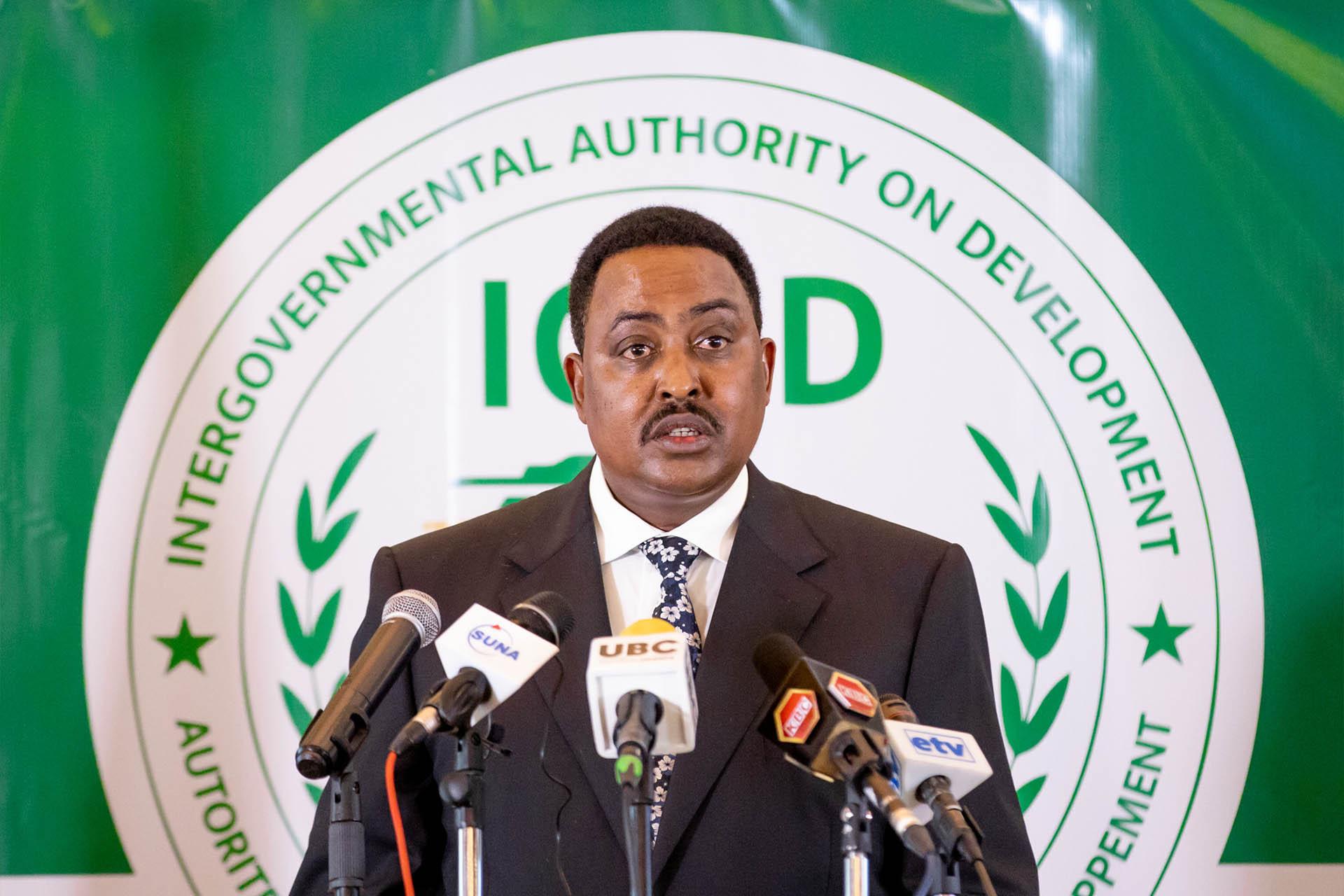
Speaking on behalf of IGAD Deputy Executive Secretary Mohamed Abdi Ware, ICPAC Director Abdi Fidar said that repeated droughts, floods, and heatwaves are placing growing strain on households and national economies.
“The Greater Horn of Africa remains one of the regions most vulnerable to climate variability and extremes. Recurrent droughts, floods, heat stress, and their cascading socio-economic impacts continue to affect food security, livelihoods, infrastructure, and stability across our Member States,” he said.
Fidar highlighted the urgency of regional cooperation, noting that GHACOF is critical for translating climate data into timely action. The forum reviews seasonal climate outlooks and supports governments and key sectors to better prepare for climate shocks.
According to ICPAC, partnerships with national meteorological agencies, sector ministries, the World Meteorological Organisation (WMO), and development partners have strengthened the accuracy and distribution of climate information.
The discussions also focused on the IGAD Regional Framework for Climate Services (RFCS), launched in September 2025 at the Africa Climate Summit in Addis Ababa. The framework aims to harmonize climate services across the region.
“The true value of the RFCS will be realised through effective implementation, strong coordination, and sustained partnerships,” Fidar said.
The forum coincides with worsening droughts in Kenya, where Acting Kenya Meteorological Department Director Edward Muriuki said that climate hazards are already affecting livelihoods.
“Climate change and extreme weather events are no longer a distant threat, but a clear and present danger in our region,” Muriuki said.
He added that the October–November–December 2025 rainfall season underperformed in much of the country, particularly in arid and semi-arid areas. The National Drought Management Authority reported that Mandera County remained in the alarm phase by December, while nine other ASAL counties moved to the alert phase.
“This information paints a dire picture of food, water and pasture security in the country,” Muriuki said.
Environment and Climate Change Principal Secretary Festus Ng’eno, who officially opened the forum, urged governments to focus on early warning systems and climate services to protect communities and sustain development.
“Climate change is already shaping our development pathways, and strengthening climate services and early warning systems is no longer optional it is essential,” Ng’eno said.