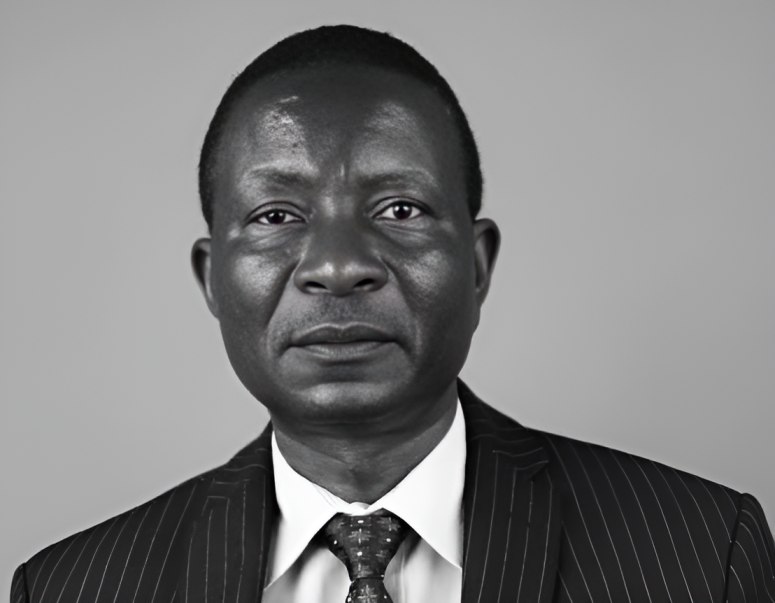
The murder trial of former Kasipul legislator Charles Ong’ondo Were will begin on February 9, 2026 at 8 am, after the High Court confirmed that one of the accused persons has entered a plea deal and will testify as a state witness.
Trial judge Diana Kavedza said five witnesses are expected to take the stand on the first day of the hearing. She also directed defence lawyer Chacha Mwita and his client to properly arrange photographic exhibits, including pictures showing alleged bullet holes on vehicles, noting that this would help the court move faster during the trial.
The court was informed during a brief mention on Thursday that the accused person who reached the plea agreement will be the first witness to testify for the prosecution. Justice Kavedza further advised Mwita to go through the evidence carefully with his witness before the hearing date.
Earlier, during a pre-trial session held on October 29, 2025 at the High Court in Kibera, the court issued key directions aimed at ensuring the murder case proceeds without delays. The session focused on meeting pre-trial requirements, especially the exchange and confirmation of documentary evidence between the prosecution and the accused persons.
During the session, the accused were allowed to exchange evidence bundles and physically go through each other’s documents while seated in the dock. The court confirmed that the materials presented were the same evidence the prosecution plans to rely on during the trial.
Justice Kavedza directed the accused to carefully review the documents, stressing that all evidence intended to be used against them must be disclosed at this early stage to allow a fair trial.
"Organise and paginate the bundles properly to make it easier for the prosecution. If this is not done, the hearing will take longer than necessary and it may also make it difficult for the defence to effectively cross-examine witnesses," she stated.
The judge also raised concerns about how the documentary evidence had been organised after addressing the investigating officer. These concerns followed an earlier decision by the court to summon the officer, after it emerged that the poor state of the documents could disrupt the trial if not corrected in time.
The pre-trial session ended with the court expressing satisfaction that all parties had been given enough time to study and understand the evidence that will be presented during the hearing.
Five suspects, William Imoli Shigali, Edwin Odour Odhiambo, Ebel Ochieng’, also known as Dave Calo, Isaac Kuria Chege, also known as Kush, and Allan Omondi Ogola, are charged in connection with the murder of the former Kasipul lawmaker.
Were was shot dead on the evening of April 30, 2025, in what police described as a planned and targeted attack. The killing happened along Ngong Road near the City Mortuary roundabout in Nairobi at about 7:30 pm.
Police and eyewitnesses said his vehicle was stopped at red traffic lights when a gunman riding as a passenger on a motorcycle pulled up next to the car. The attacker approached the passenger side and fired several shots at close range before escaping on the motorcycle.




























Comments
Sign in with Google to comment, reply, and like comments.
Continue with Google