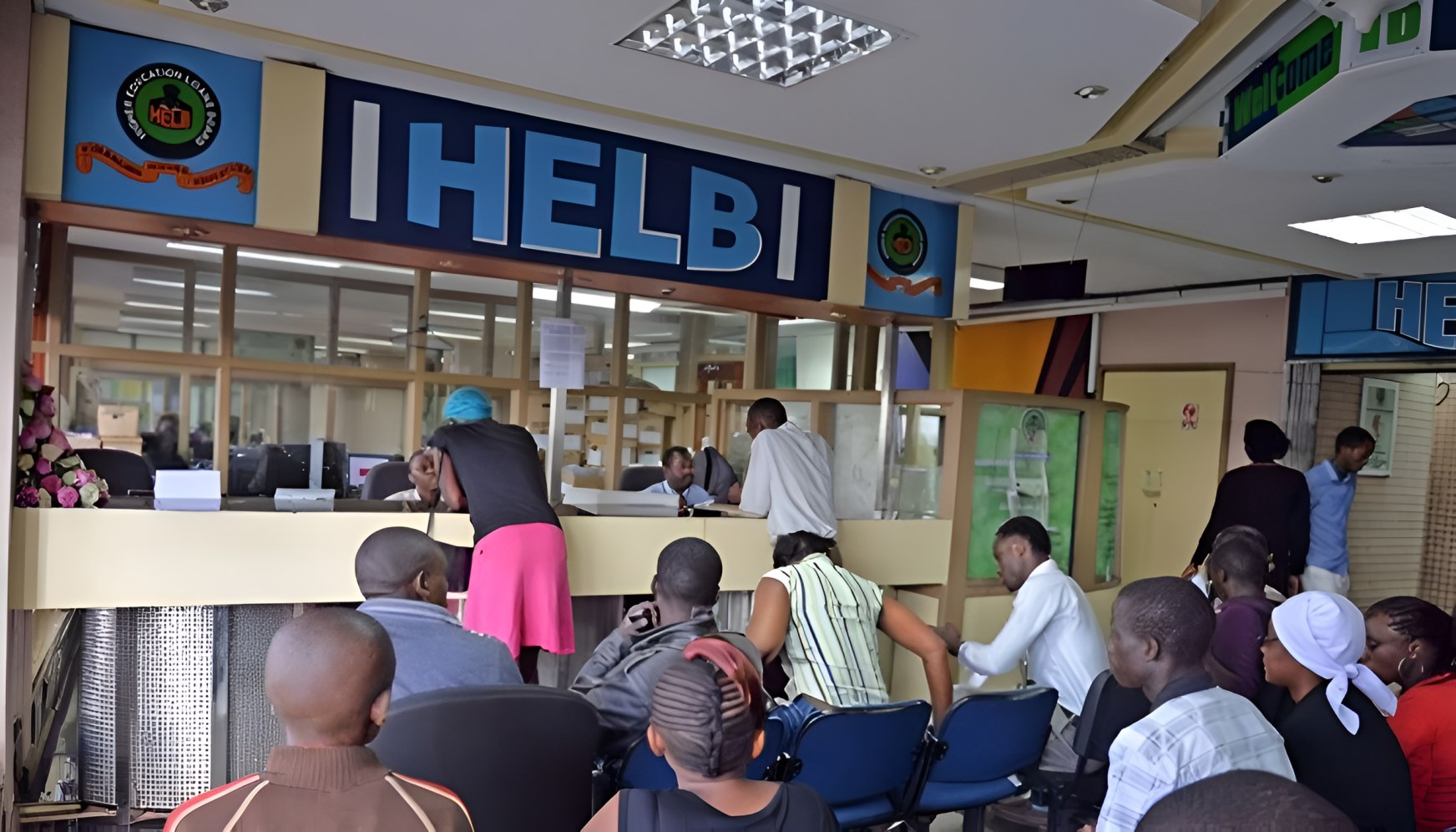
The Higher Education Loans Board (HELB) is struggling as loan defaults surge to Sh42 billion, driven by a 40 per cent rise in the number of former students who have failed to repay.
Data from the agency shows an additional 109,000 accounts have slipped into default over the past year, taking the total number of defaulters to 380,530 as of October.
HELB Chief Executive Officer Geoffrey Monari revealed that lawyers, doctors, engineers, and accountants are the largest group of defaulters, whereas teachers continue to repay their loans on time.
“Lawyers, doctors, engineers, and accountants are among the biggest loan defaulters, while teachers stand out as the most diligent in repaying their debts,” Monari said.
The rising defaults are threatening the agency’s ability to provide funds to new and continuing students. HELB relies on repayments from past beneficiaries to finance its revolving fund, and the growing number of defaulters has forced cuts to student loan allocations.
The increase in defaults comes as Kenya struggles with slow economic growth and rising unemployment. Job creation remains low, with the country recording the fewest formal jobs since the 2020 pandemic, making it harder for graduates to secure stable income to repay loans.
Statistics from the Kenya National Bureau of Statistics show that of the 782,300 new jobs created last year, 90 per cent were in the informal sector.
Many graduates have turned to freelance work, small businesses, or self-employment, complicating HELB’s efforts to trace them and recover funds.
KNBS also reports that unemployment rose by 2.9 per cent to 2.97 million in the last quarter of 2024. Salaried employees have suffered declining real wages for the fifth straight year, reducing disposable incomes and creating further obstacles for loan repayment.
The number of formal jobs fell to 75,000 last year from 122,900 in 2023, a record low since 2020, when the pandemic caused widespread job losses. This trend has worsened the challenge for university graduates seeking reliable employment.
The funding gap has left thousands of students without financial support. In the year ending June 2025, over 163,000 students in public universities and TVET colleges missed out on loans as HELB ran out of funds.
Specifically, 103,214 university students could not access loans due to a Sh11.5 billion shortfall, while 60,274 TVET trainees were left unfunded because of a Sh2.2 billion deficit, resulting in a total gap of Sh13.7 billion for the year.
Monari noted, “We are looking at a situation where the crème de la crème of society are not supporting the HELB as a revolving fund.”
He further explained that among 30,000 engineers who borrowed from HELB, 22,000 have defaulted, and 18,000 out of 26,000 lawyers have not repaid.
HELB classifies defaulters into three groups: those without income, those willing but unsure how to repay, and those who can pay but refuse.
A total of 124,640 borrowers are in the last category, including some living abroad. They have been listed with the Credit Reference Bureau, limiting their access to credit in Kenya.
Of these, 83,571 are “hardcore defaulters,” having failed to make repayments for more than ten years, and HELB has now engaged debt collectors to recover the funds.
In the year ending June 2025, HELB received 713,173 loan applications but was only able to fund 322,338 university students and 225,048 TVET trainees.
The total loan demand for the 2024–25 period was Sh48.18 billion, leaving a Sh13.7 billion deficit due to rising enrolment and growing demand under the new student-centred funding system.































Comments
Sign in with Google to comment, reply, and like comments.
Continue with Google