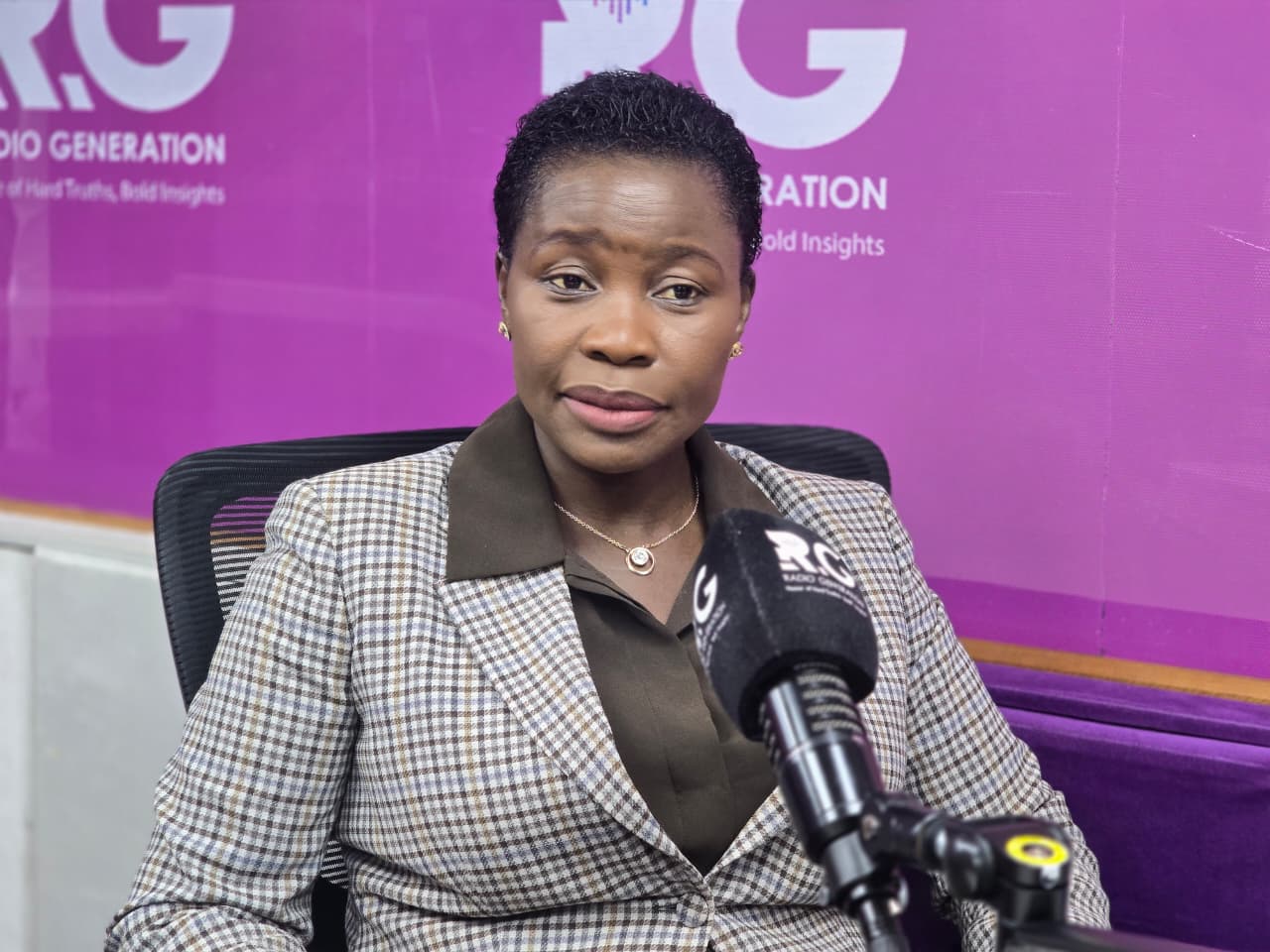
PS State Department of Micro, Small and Medium Enterprises Development, Susan Auma Mang’eni says Kenya’s MSME reforms are transforming entrepreneurship through policy changes, digital platforms and targeted funding.
She highlights initiatives like the Hustler Fund and Nyota project, alongside efforts to simplify business registration and promote formalisation, aimed at boosting job creation and supporting small businesses as part of the government’s bottom-up economic agenda.
Speaking on Thursday during a Radio Generation interview, she said the State Department for MSME Development was established to support entrepreneurship and job creation, particularly among young people.
“This State Department was set up to support the growth of the Micro, Small and Medium Enterprise sector, MSME sector,” she said, describing it as “the backbone of economy” that “creates many jobs” and “generates a lot of revenue.”
She added that the sector has the potential to drive job creation to accommodate most of Kenya's young population, underlining its importance in addressing unemployment.
According to the PS, the government has rolled out several initiatives aimed at promoting entrepreneurship and supporting small businesses. Among them are financing and youth-focused programmes designed to expand opportunities.
“You’ve seen, we’ve channelled out projects like Hustler Fund, channelled out the Nyota project,” she said, describing them as efforts “that seeks to create or form another community of upcoming entrepreneurs among the young people in our society.”
She also pointed to policy reforms as a key milestone over the past two years, noting that the government has been reviewing frameworks to create a more supportive business environment.
“We have been reviewing our policies, beginning with the MSME policy,” she said, adding that earlier frameworks did not adequately include medium-sized enterprises.
She explained that integrating medium enterprises is critical because it’s at the medium size enterprises where now Kenyans start seeing businesses that are more competitive, that can create secure and sustainable jobs in the economy.
The reforms are also aimed at addressing what she described as stagnation in the sector, where many businesses remain small and struggle to grow.
“The biggest challenge we have in our economy is the standard growth of the SME sector,” she said, noting that “a lot of players are still at the micro level and small level.”
To tackle this, the government is working to create pathways for businesses to scale up. “You must begin your business, but knowing that you have to scale up, you have to grow,” she said.
In addition to policy reviews, the State Department is working on legal and financial reforms, including updates to the MSME Act and the development of a financial inclusion policy informed by experiences from the Hustler Fund.
“We are currently undertaking formulating financial inclusion policy arising from the experience we’ve had on the hustle fund,” she said.
Another major focus is formalisation of businesses, which she said has often been misunderstood as purely a tax compliance issue.
“It’s not just a compliance issue, it’s a question of being visible so that then you can be supported to grow,” she said.
She acknowledged that many small business owners are hesitant to formalise due to fears about taxation, but stressed that visibility brings benefits such as access to incentives and markets.
“If we do not know you exist, how do you even come up with tax holidays?” she asked, adding that formalisation enables government to tailor support to businesses.
The PS also highlighted challenges related to complex regulatory processes, which she said have historically discouraged entrepreneurs.
“That complexity is what makes people to give up even before,” she said, pointing to the burden of navigating multiple requirements across different agencies.
To address this, the government has been digitising services to simplify business registration and compliance.
“Leveraging on the digital technology especially the e-Citizen, you’re able to get all the service in one stop from the comfort of your house,” she said.
She noted that more than 22,000 government services have been onboarded onto digital platforms, making it easier for entrepreneurs to start and manage businesses.
The reforms are also intended to reduce both financial and time-related barriers to entry, particularly for young entrepreneurs starting with limited capital.
“You want to go there with a passion but then when you meet these entry barriers, it discourages you,” she said.
The government’s broader strategy includes commitments to “decriminalize work,” expand opportunities for income generation and undertake targeted reforms to make it easier to start and sustain businesses.
As Kenya continues to implement these measures, the MSME sector remains central to its economic strategy, with officials emphasising the need to support growth, innovation and long-term sustainability.