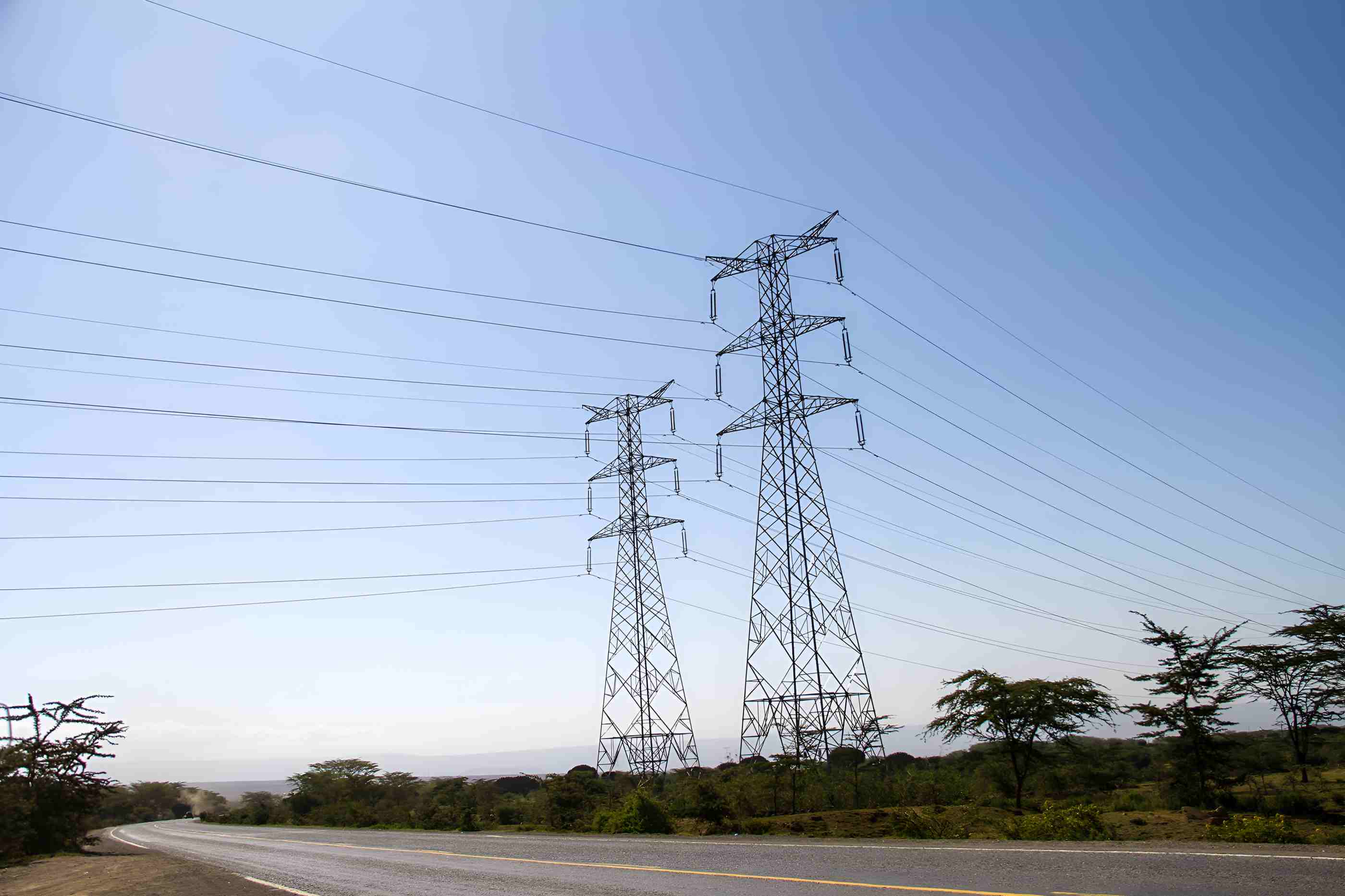
The Kenya Electricity Transmission Company (KETRACO) on Monday launched a master plan to expand and modernize the national power grid through large-scale infrastructure growth, improved redundancy, and sustainable delivery systems.
KETRACO General Manager Eng. Antony Musyoka said the plan targets 8,000 kilometres of new transmission lines and 15,000 MVA in added capacity, supporting Kenya’s push for reliable, accessible electricity to power economic growth.
Musyoka noted that the plan is structured to create a robust and resilient power network, designed to minimize outages and improve efficiency.
“We are expanding the network and building dual lines in some regions so that in case one line goes off, supply can continue through the other,” he said, emphasizing KETRACO’s commitment to ensuring grid stability across the nation.
As part of its master plan, KETRACO is preparing to commission the Kitui–Wote substation, a flagship project aimed at establishing two supply sources, one from Wote and another from Kindaruma.
This initiative is expected to bolster power reliability in the Eastern region by creating a redundant system that guarantees continued electricity flow even during disruptions.
The project is a cornerstone in the company’s strategy to meet the N-1 contingency criterion, an international standard that ensures the grid can withstand the failure of any single component without widespread power loss.
By achieving this standard, Kenya’s grid will not only become more secure but also more adaptable to regional demand and renewable energy integration.
“The Kitui–Wote substation is of great strategic importance,” Musyoka explained, noting that in the event of a supply loss from Wote, Kindaruma will serve as a backup source.
This redundancy, he said, will play a critical role in maintaining a stable and reliable power supply across the Eastern region.
KETRACO’s vision reflects a long-term investment in energy sustainability and national development.
By enhancing the capacity and reach of its transmission infrastructure, the company aims to reduce power interruptions, lower system losses, and improve voltage stability across the country.
The expansion will also support industrial growth, rural electrification, and renewable energy integration, especially as Kenya moves towards green and sustainable energy targets.
The construction of dual lines in strategic corridors will further mitigate risks associated with line failures, thereby ensuring continuous power delivery even in adverse conditions.
Musyoka reaffirmed that the vision behind the 20-year plan is to create a modern, efficient, and future-ready power grid that can meet Kenya’s expanding energy needs.
The company’s focus on redundancy, regional connectivity, and innovation will ensure that communities and industries alike benefit from sustainable energy solutions.































Comments
Sign in with Google to comment, reply, and like comments.
Continue with Google