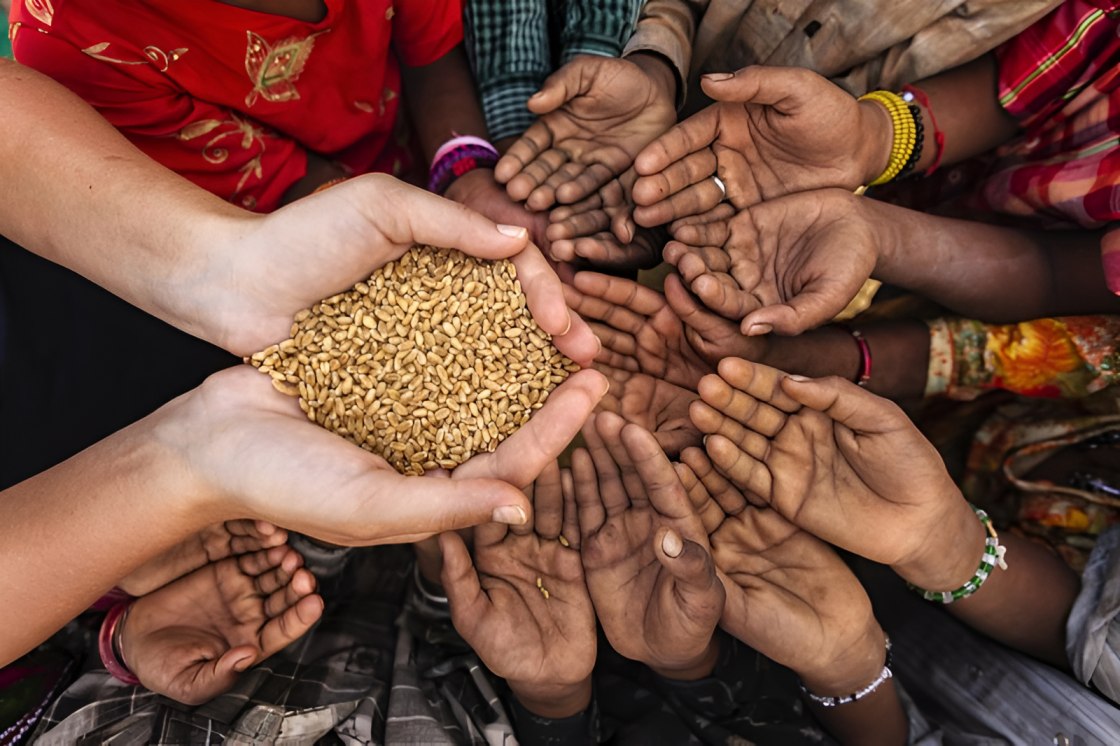
Millions across 16 countries are on the brink of famine as conflict, economic instability, and extreme weather push food shortages to alarming levels, according to the United Nations.
The FAO and WFP caution that without immediate humanitarian funding and full access for aid operations, the risk of mass starvation will escalate quickly.
Kenya is listed among the 16 critical hunger zones identified in the report, along with Haiti, Mali, Palestine, South Sudan, Sudan, Yemen, Afghanistan, the Democratic Republic of the Congo, Myanmar, Nigeria, Somalia, Syria, Burkina Faso, Chad, and the Rohingya refugee population in Bangladesh.
In Kenya, prolonged drought combined with rising food costs is straining already vulnerable households, forcing many families to struggle to meet essential needs.
Across the hotspots, conflict and violence drive hunger in 14 countries, while extreme weather and economic shocks worsen conditions for millions.
The report highlights six countries and territories of highest concern—Haiti, Mali, Palestine, South Sudan, Sudan, and Yemen—where populations are at immediate risk of catastrophic hunger.
Afghanistan, the Democratic Republic of the Congo, Myanmar, Nigeria, Somalia, and Syria are flagged as very high concern, while Burkina Faso, Chad, Kenya, and the Rohingya refugees in Bangladesh face severe food insecurity.
“Household food production and incomes remain insufficient to meet basic needs, leaving millions dependent on emergency aid,” the report notes.
Funding for critical aid is far below requirements. By October 2025, only 10.5 billion dollars (around Sh1.35 trillion) of the 29 billion dollars (approximately Sh3.75 trillion) needed to support at-risk populations had been received.
This shortfall has forced reductions in food rations, suspension of school feeding programmes, and cuts in support for displaced families. The WFP has also tightened targeting criteria, leaving more people vulnerable.
Limited funding is also affecting agricultural support, including seeds, livestock, and preparation for planting seasons. Without timely investment, these initiatives will not reach communities in time, increasing the risk of further crises.
“The world’s early warning systems work – this is fundamental for early action. We must move from reacting to crises to preventing them. Investing in livelihoods, resilience and social protection before hunger peaks will save lives and resources.
Famine prevention is not just a moral duty - it is a smart investment in long-term peace and stability. Peace is a prerequisite for food security, and the right to food is a basic human right,” said FAO Director-General QU Dongyu.
FAO and WFP emphasize that famine is largely predictable and preventable.
They urge governments, donors, and partners to act before conditions reach critical levels and to scale up long-term investments in food security and resilience. Anticipatory action, the organisations stress, is far more cost-effective than delayed responses, and millions of lives depend on decisive global intervention.