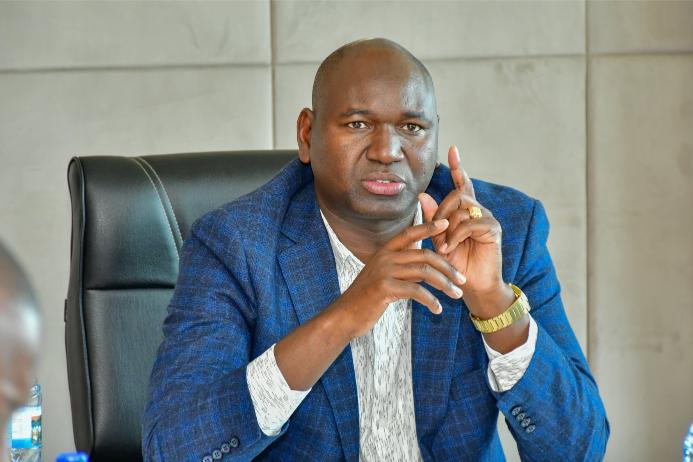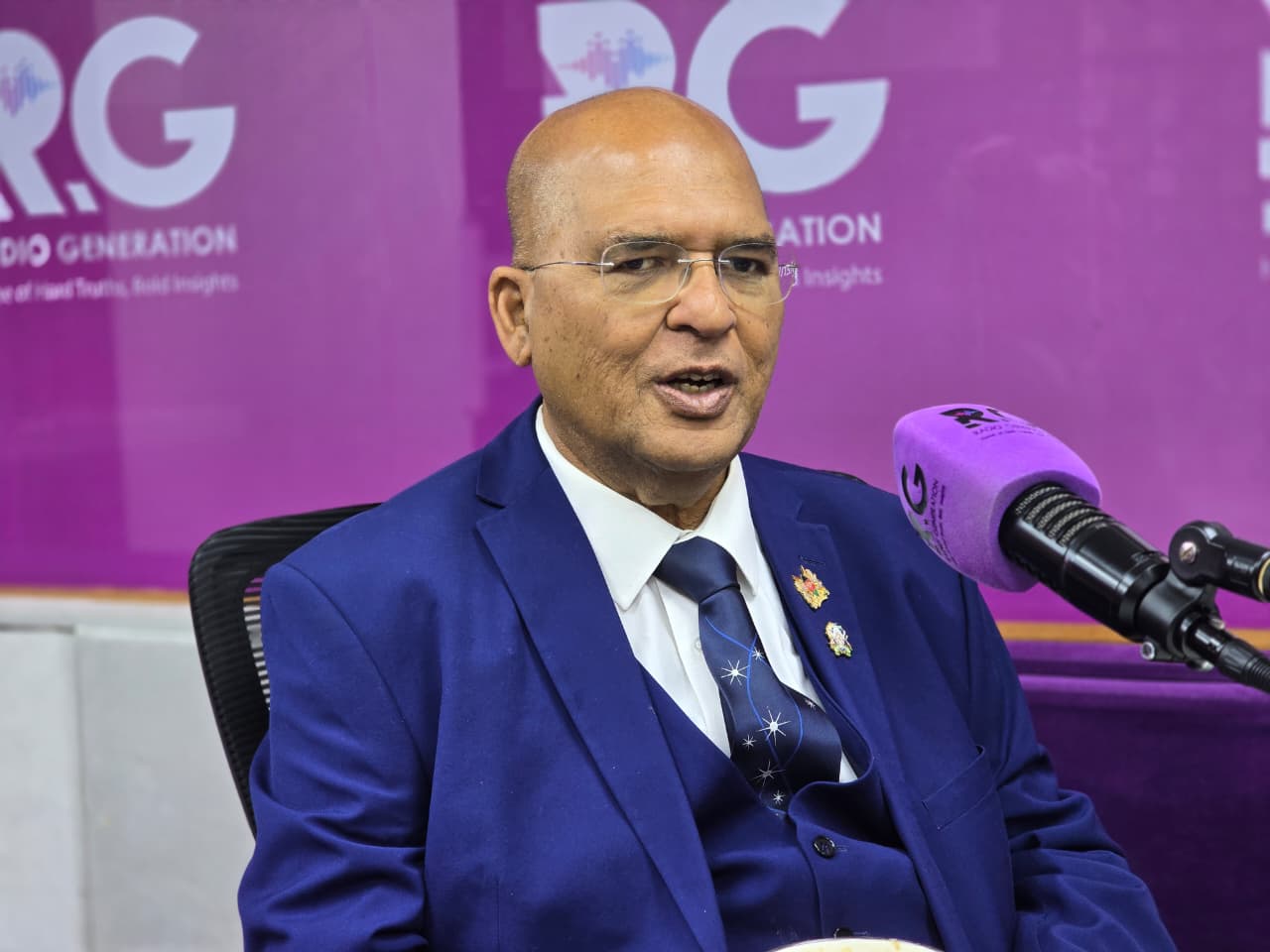
Kisumu East MP Shakeel Shabbir Ahmed has warned that Kenya’s leadership crisis is fueling corruption, industrial stagnation, and the collapse of state agencies that once drove development.
He criticised the country’s economic direction, saying Kenya is stuck due to short-sighted planning and an inability to fully utilise available resources.
The legislator said Kenya’s potential continues to be undermined by policy paralysis and weak leadership.
“Our policies are good, vision is good, implementation is zero,” he said.
According to him, the country has the human capital, expertise, land, and resources to industrialise but remains weighed down by a lack of visionary leaders who can translate ideas into action.
“We know we have the people to do it. We know we have the expertise, but what we lack is leadership.”
Shabbir criticised Kenya’s ranking in corruption, saying he recently compared the country to Ghana during a visit.
“Kenya has 121 on the corruption list,” he said, contrasting it with Ghana’s better ranking.
“When you go to Ghana, same people, same everything, what is the problem?” He argued that corruption continues to choke growth and undermine public trust.
He used Ghana’s cocoa and chocolate sector as an example of how value addition is possible when leadership is aligned with national goals.
“85 percent or 90 percent of the cocoa of Ghana is exported and brought back as chocolate,” he recalled being told.
But he noted that locals were now producing their own chocolate and selling it in simple form.
“I saw women going around with chocolate bars. It’s not very difficult to make chocolate from cocoa,” he said, insisting Kenya could mirror such grassroots innovation.
Shabbir lamented that Kenya has abandoned industries it once supported.
“Why don’t we have bakeries? Why don’t we have small factories for molasses? We had them before the sugar factories came into being,” he said.
He accused government systems of allowing monopolies to kill small-scale enterprises that previously sustained communities. “We become an import nation, even toothpicks are coming from China. We can make toothpicks here.”
He also pointed to the decline of state agencies that once drove industrial and agricultural progress.
“We had the structure,” he said, citing Industrial and Commercial Development Corporation (ICDC), Agricultural Finance Corporation, and ADC.
“These were exhibition farms where you could go and understand how things are done.” He said these institutions have been weakened over time despite their potential to support innovation and economic growth.
Using China, Korea and Singapore as reference points, Shabbir argued that Kenya’s challenge is not lack of resources but lack of leadership.
“Leadership is most important,” he stressed. He said even countries that started with nothing were able to progress because their leaders were disciplined and visionary.
Kenya, he argued, missed its chance early on. “The passion that we should have expected of Jomo Kenyatta was the country, but the first thing that came in was grabbing.”
He emphasised that Kenya must urgently reform its leadership culture and revive its industrial foundation.
“We can progress,” he said. “We have everything, but without leadership and capacity, we will remain stuck.”