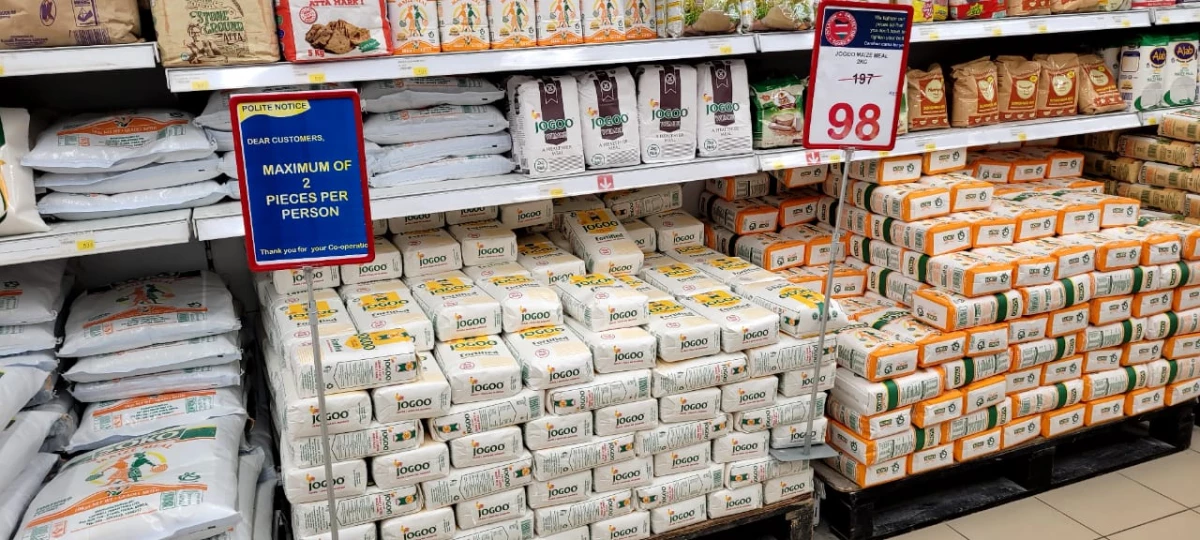
Corruption has been identified as the leading factor driving the high cost of living in Kenya, according to a recent Infotrak survey.
The poll found that 31 per cent of respondents attributed rising living costs primarily to corruption, followed by taxes at 26 per cent and government policies at 16 per cent.
Only 13 per cent blamed global economic pressures, including fuel prices and supply chain disruptions.
The findings suggest that many Kenyans view domestic governance issues as a greater cause of economic hardship than external factors.
Infotrak noted that the results reflect a significant trust gap between citizens and the state.
Regionally, corruption emerged as a top concern across the country. Nairobi recorded the highest proportion, with 38 per cent of respondents citing corruption as the main contributor to high living costs.
Central Kenya followed at 32 per cent, while the Coast and Eastern regions each registered 31 per cent. In Nyanza and the Rift Valley, 30 per cent of respondents shared the view.
Taxes were particularly highlighted in the Coast (32 per cent) and Western Kenya (31 per cent), while government policies were most frequently mentioned in Nairobi, where 20 per cent of respondents pointed to policy decisions as a key driver of economic strain.
The survey also explored perceptions by gender and age.
Among men, 34 per cent cited corruption, compared to 28 per cent of women.
Young adults aged 18 to 26 were the most likely to blame corruption at 41 per cent, with the proportion declining to 30 per cent among respondents over 55.
The poll was conducted on December 19–20, 2025, through Computer-Assisted Telephone Interviews (CATI), covering 1,000 adults aged 18 and above across all 47 counties.
The sample was proportionately allocated based on the 2019 Census, and results were weighted to correct for demographic imbalances.
Data was analysed using SPSS 27, with a margin of error of ±3.10 per cent at a 95 per cent confidence level.