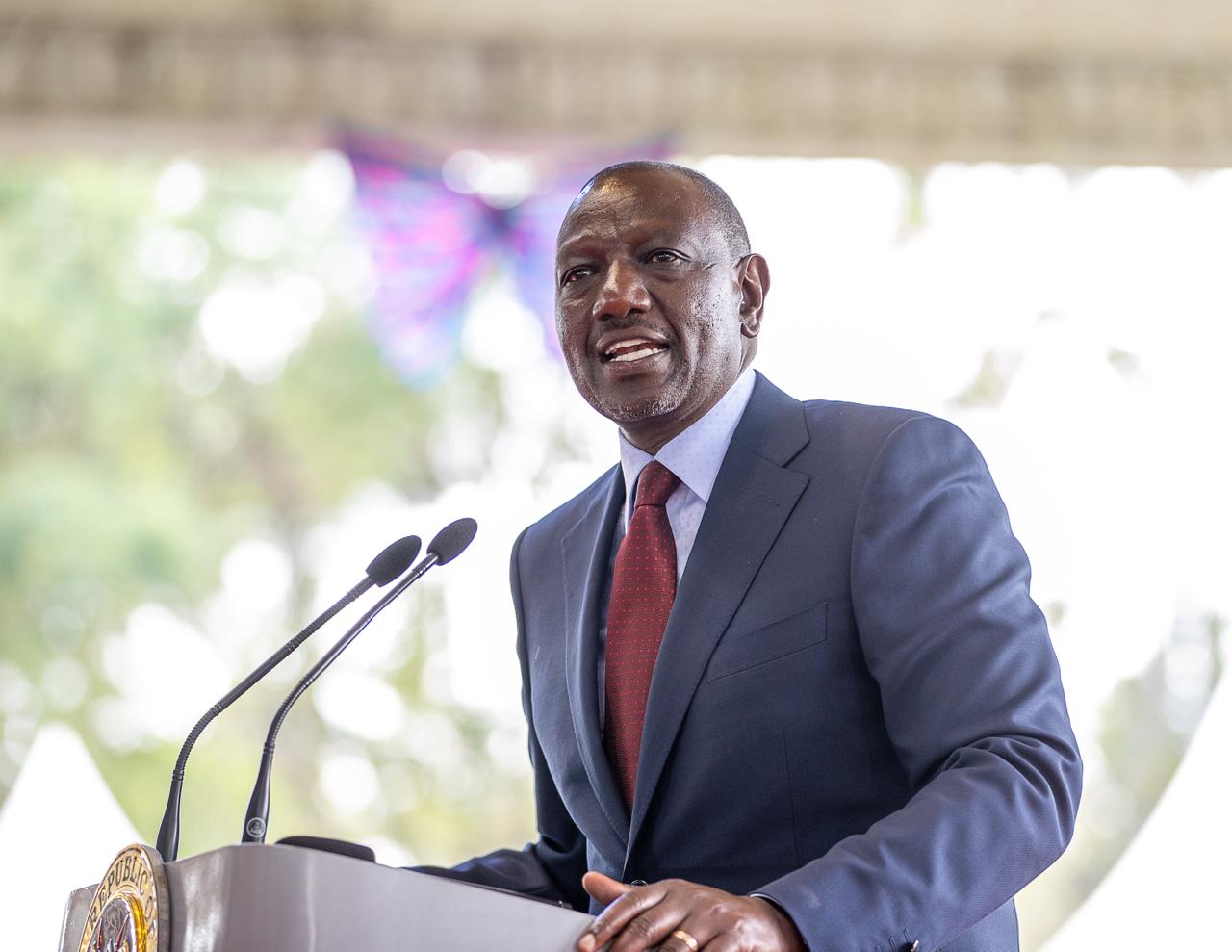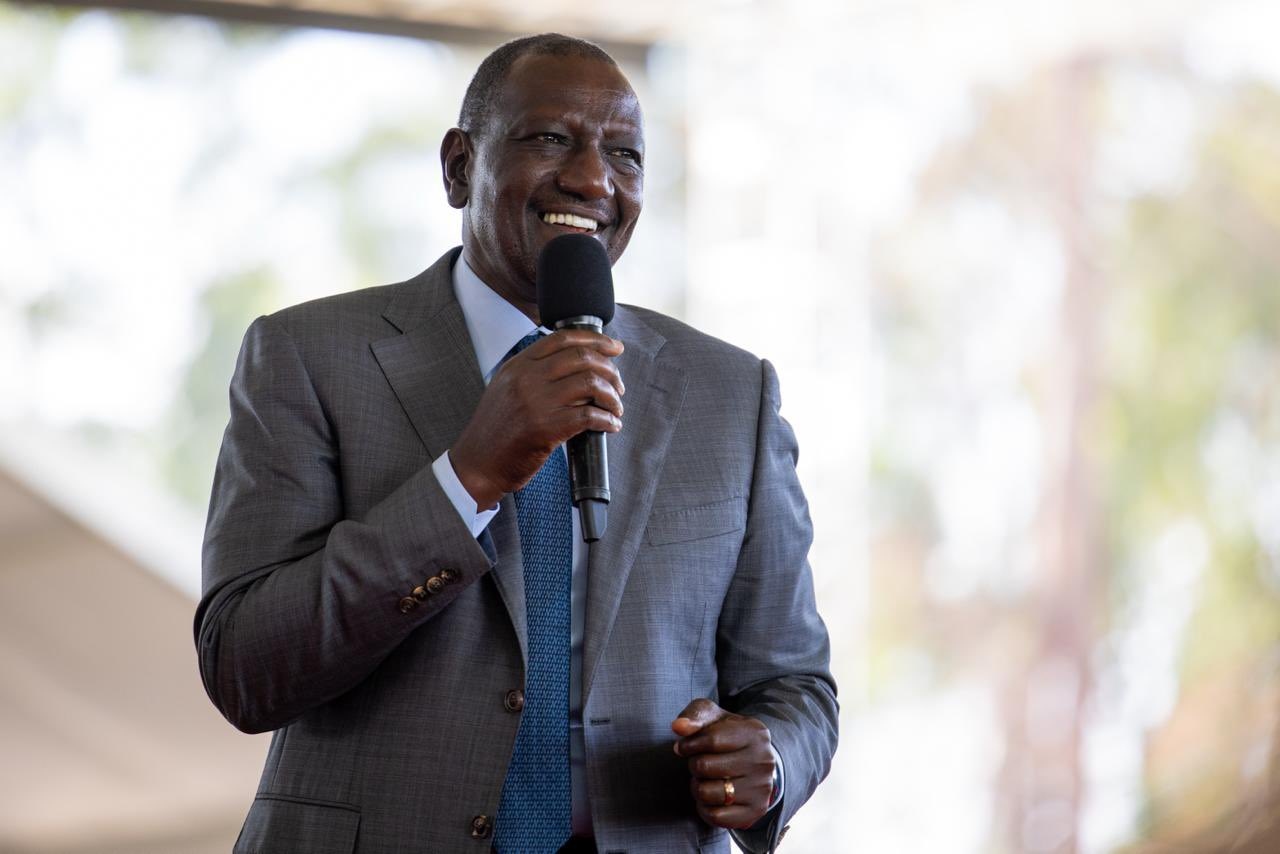
President William Ruto has called for a comprehensive transformation of Kenya’s anti-narcotics efforts, directing that the unit handling illegal drugs be tripled in size and extended across the country.
The announcement came during the launch of the Jukwaa La Usalama Report at State House, Nairobi, where the President also met chiefs and assistant chiefs from all counties to discuss national security reforms.
The President outlined plans to turn the anti-narcotics unit into a fully established police department. Staffing will rise from 160 officers to 500, and the unit will operate from 34 offices nationwide instead of a single base, ensuring quicker and more coordinated action against drug trafficking and abuse.
“I have agreed with the IG Douglas Kanja that the Anti-Narcotics police unit- that department which fights illegal drugs, narcotics, and all those other things, we should make that department a formed-up unit,” Ruto said.
Ruto said the move responds directly to the concerns voiced by Kenyans during the Jukwaa La Usalama forums.
“I followed the discussions at the Jukwaa La Usalama forum closely, and I commend Kenyans for speaking openly and without fear. Illegal drugs, gender-based violence, and violent criminals—including bandits and terrorists—remain significant challenges. The recommendations you gave will be acted upon,” he added.
Describing drug abuse as a serious national problem, the President warned that many young people are “losing their lives and futures” to addiction.
He stressed that the upgraded unit will receive more intensive training and assume a broader role, including dismantling trafficking networks and curbing local drug markets.
In addition to anti-narcotics reforms, President Ruto directed changes in alcohol licensing, highlighting towns where bars now outnumber shops.
“We will agree with governors that each county must build at least one rehabilitation center so that those we rescue from drugs and alcohol can receive proper care,” he said.
To enhance security operations, the government will digitize all administrative and police records. Chiefs will be equipped with tablets within six months to allow instant reporting of incidents, while over 3,000 vehicles will be provided to improve mobility.
The Jukwaa La Usalama Report also recommends intelligence-led operations targeting criminals, bandits, and organized gangs, alongside stronger collaboration with community policing groups.
Local communities will be formally integrated into national security systems to boost information sharing and public involvement.
Other directives include promotion of trained chiefs and police officers, increased civil registration centers from 174 to 400, and development of Correctional and Probation Services Bills.
Over 106,000 Village Elders will be formally recognized with a monthly stipend of Sh3,000, while the National Government Administration Police Unit will be established with an initial 1,860 officers.
Additionally, the government plans to construct 900 police stations over the next two years and housing units for police and prison staff, while also implementing policies to ensure officers’ transfers and postings consider their social needs.