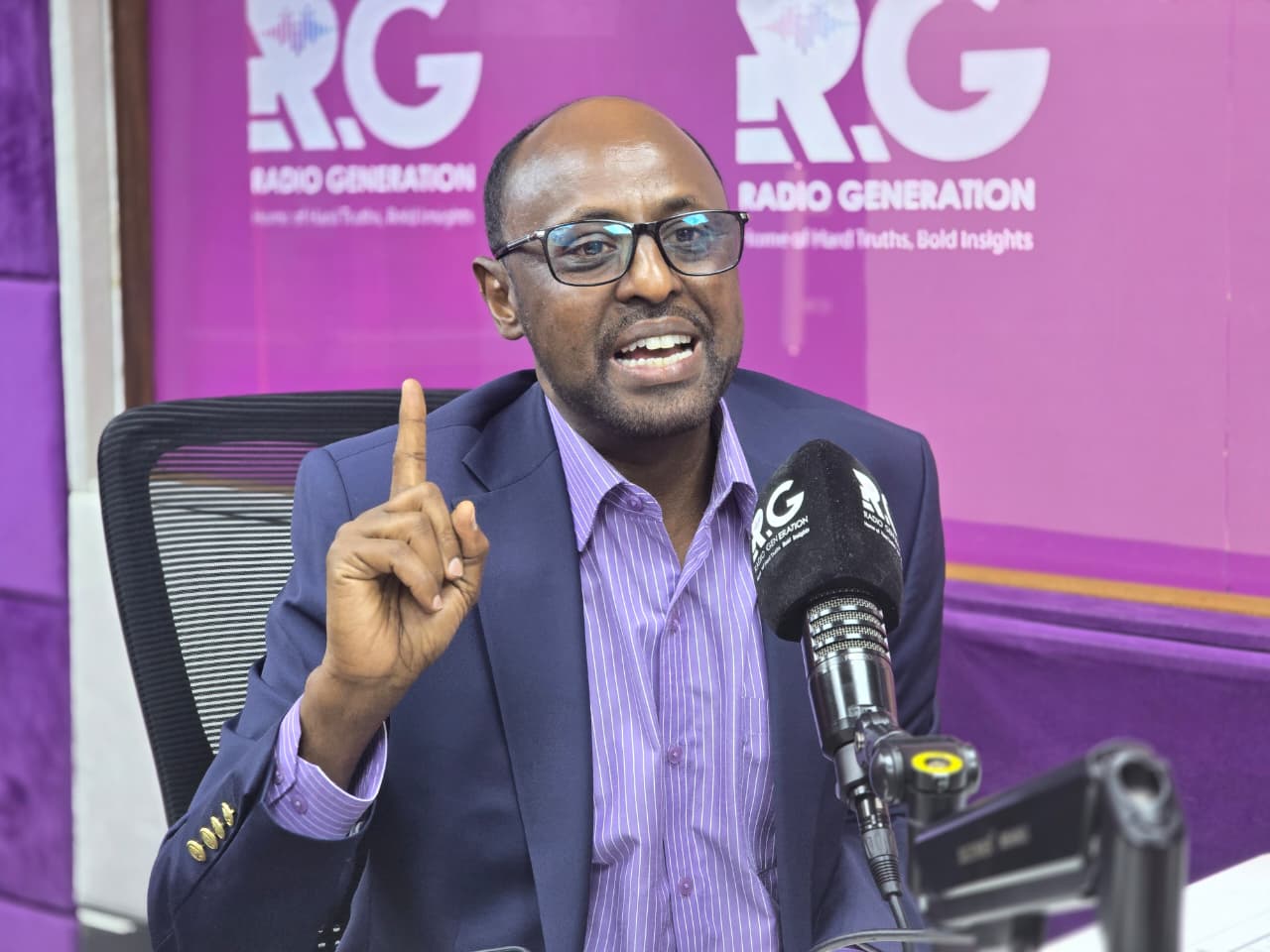
Kenya is facing a growing challenge with water infrastructure, as thousands of boreholes across the country have broken down and remain unrepaired, according to Kenya Red Cross Society Secretary General Ahmed Idris.
He said the rising number of non-functioning boreholes is a major concern and highlights gaps in how communities maintain shared water systems.
Idris said the number of boreholes has increased over the last 15 years, but many are no longer working. He noted that more than 2,600 boreholes are currently not functioning, and the organization has identified 262 strategic boreholes that need urgent revival.
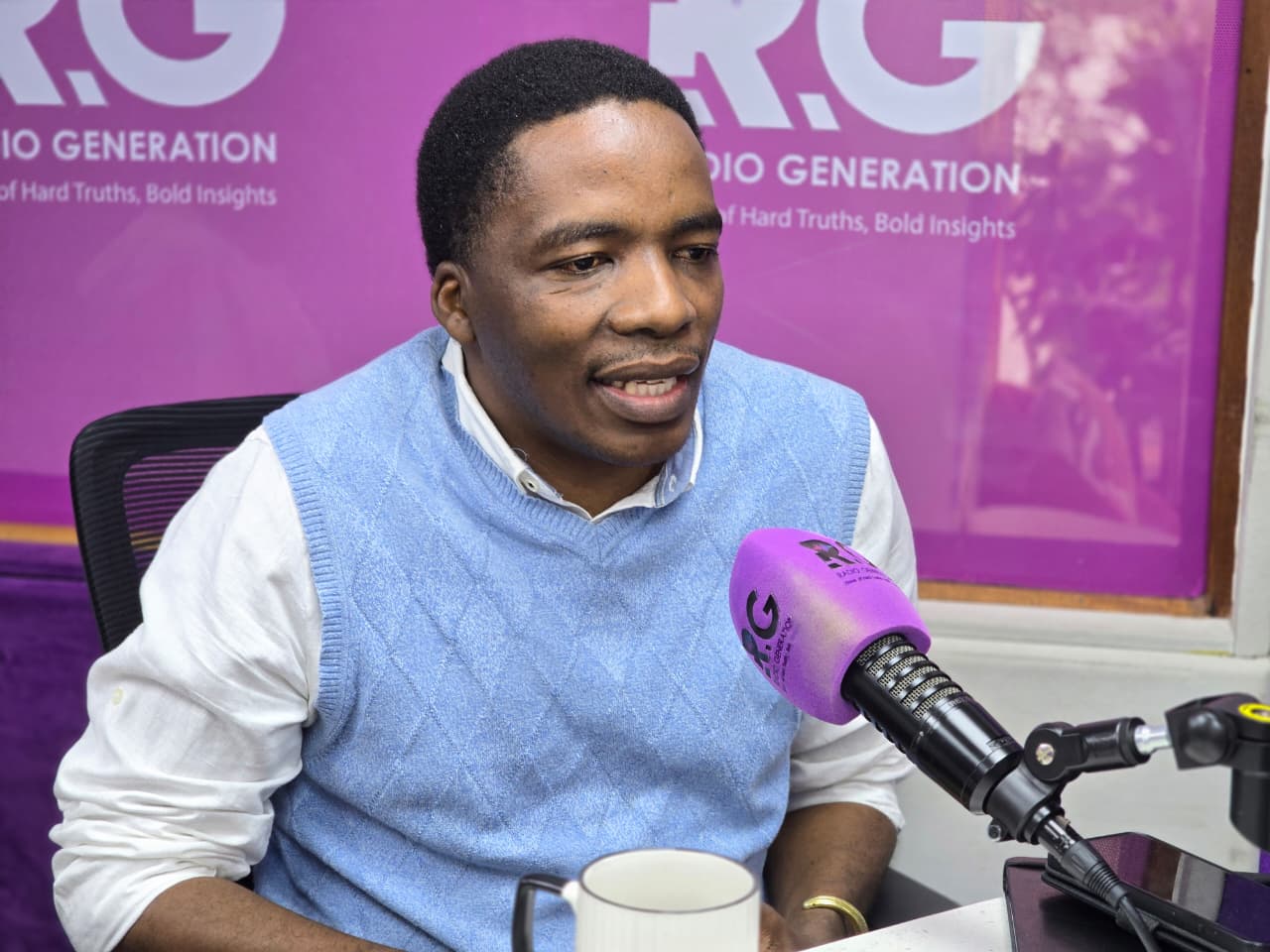
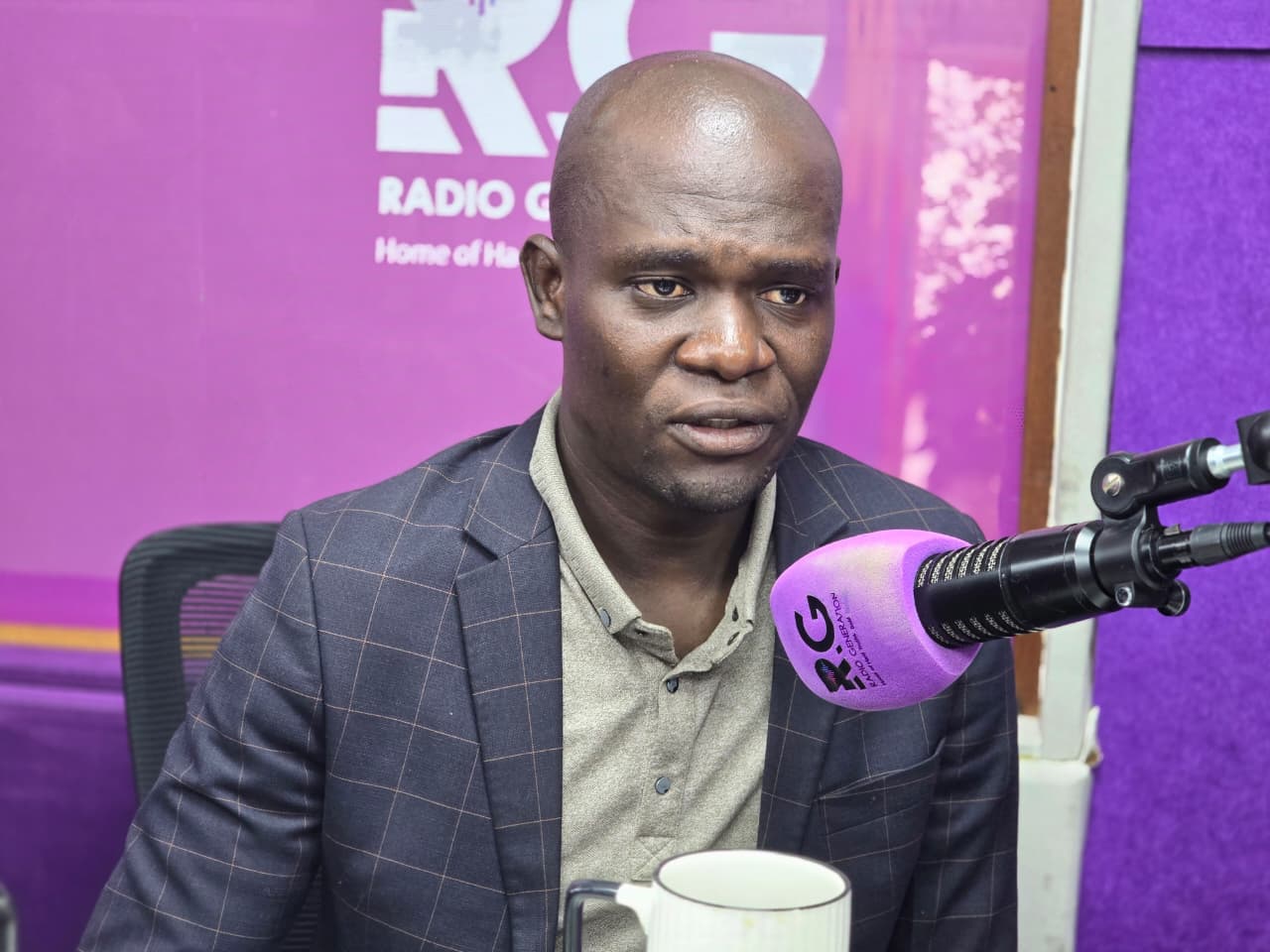
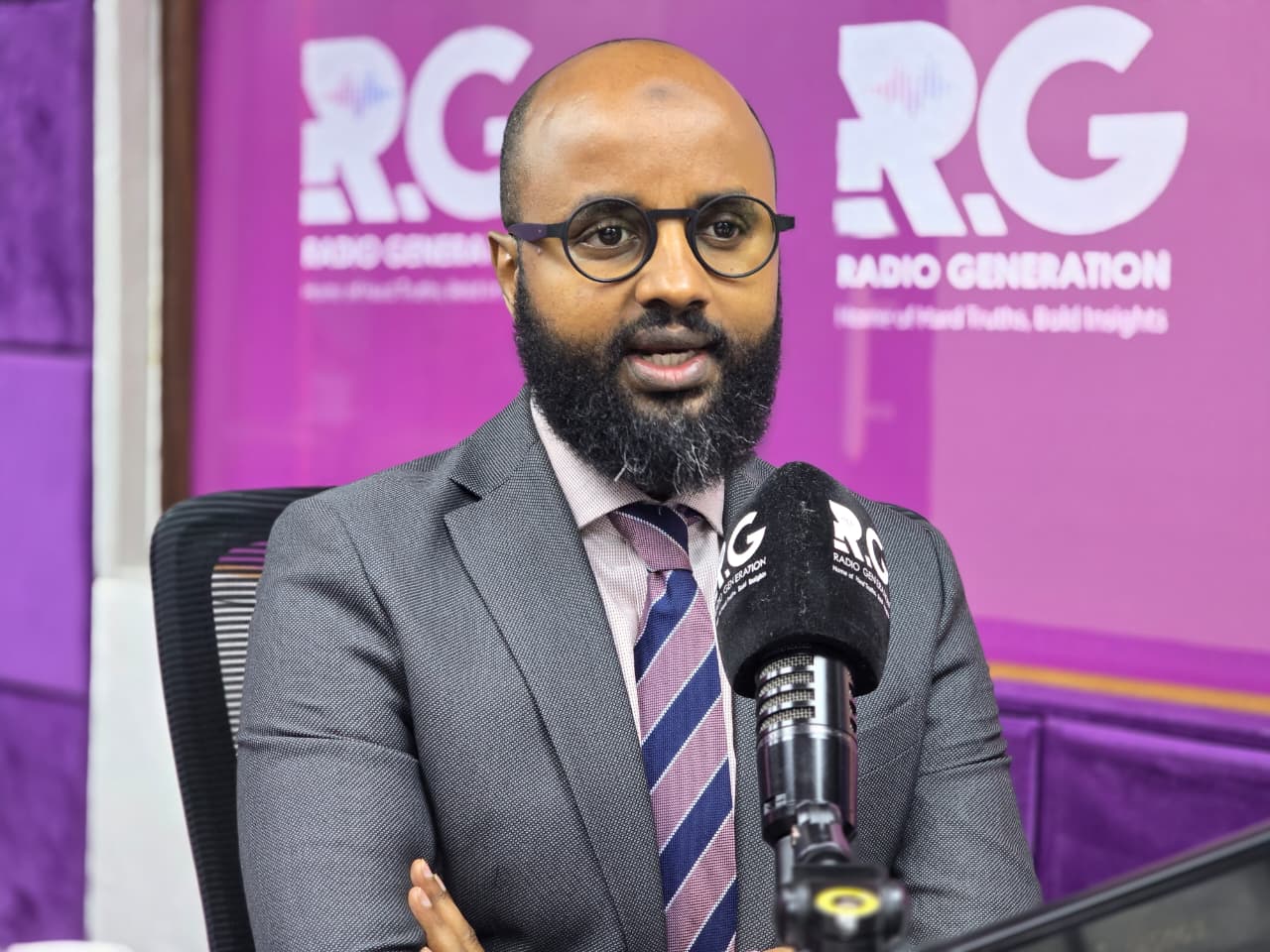
“Right now, we are looking about 262 what we are calling strategic boreholes that are not functioning, to revive them and to put them up,” he said. during an interview at Radio Generation.
He raised concerns about whether communities are able to take care of water assets once they are installed. Idris said while organizations train communities, several factors still lead to breakdowns, including overuse during droughts.
“Do we even take care of our own assets when they are put up as communities,” he said, adding that many people may not know how to maintain them.
The SG explained that during dry periods, animals and people often converge on a single borehole, pushing it beyond safe operating limits. Idris said machines are not designed to run nonstop, but pressure increases when water sources are few.
“You can't pump for 24 hours, just not encouraged you even the machine will break,” he said.
He added that desperation during drought forces communities to use boreholes for long hours, which leads to frequent breakdowns. This, he said, creates a cycle where water points fail just when they are most needed.
Idris said the response during dry seasons must focus on installing new water points, maintaining existing ones, and repairing broken systems continuously. He described the task as difficult but necessary to ensure water access.
He also called for honest discussions about how communities handle shared resources, saying poor maintenance culture remains a major issue.
“We are very poor in taking care of our own assets, as you know, as a people, that is something that we have to have an honest conversation,” he said.