Mwaura defends Kindiki’s pending, says DP’s office central to Government delivery
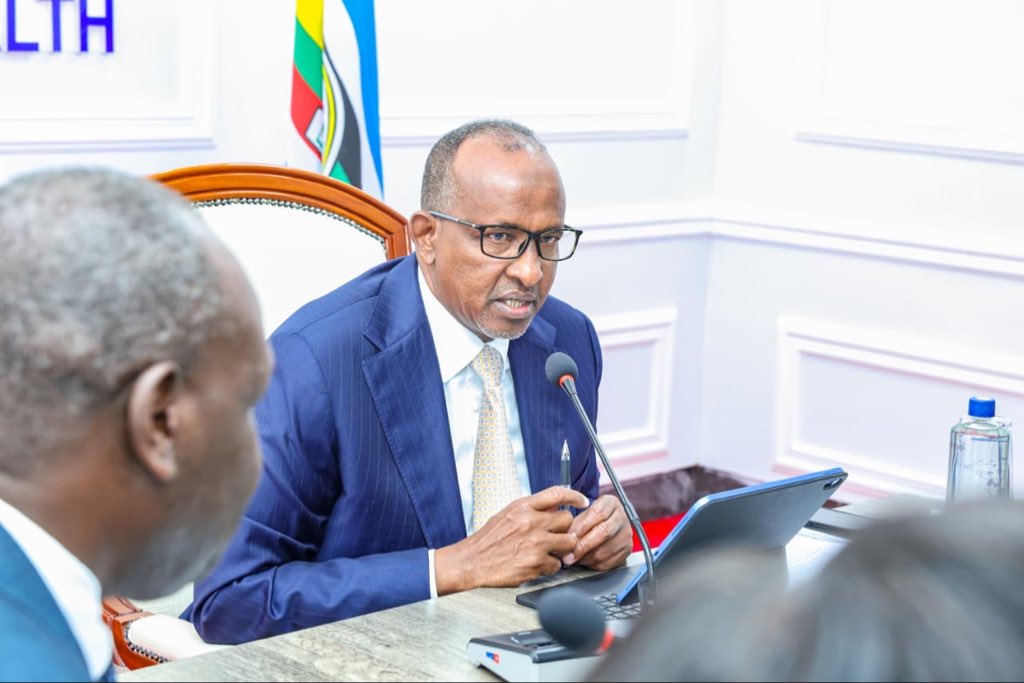
According to the National Treasury’s Budget Implementation Report for the first quarter of the 2025/26 financial year, the Office of the Deputy President had used Sh1.34 billion , about 44.9 percent of its Sh2.97 billion recurrent budget by the end of September 2025.The figure has sparked public discussion, especially after comparisons showed that former Deputy President Rigathi Gachagua had spent Sh331.8 million, or 12.8 percent of his allocation, during the same period last year.
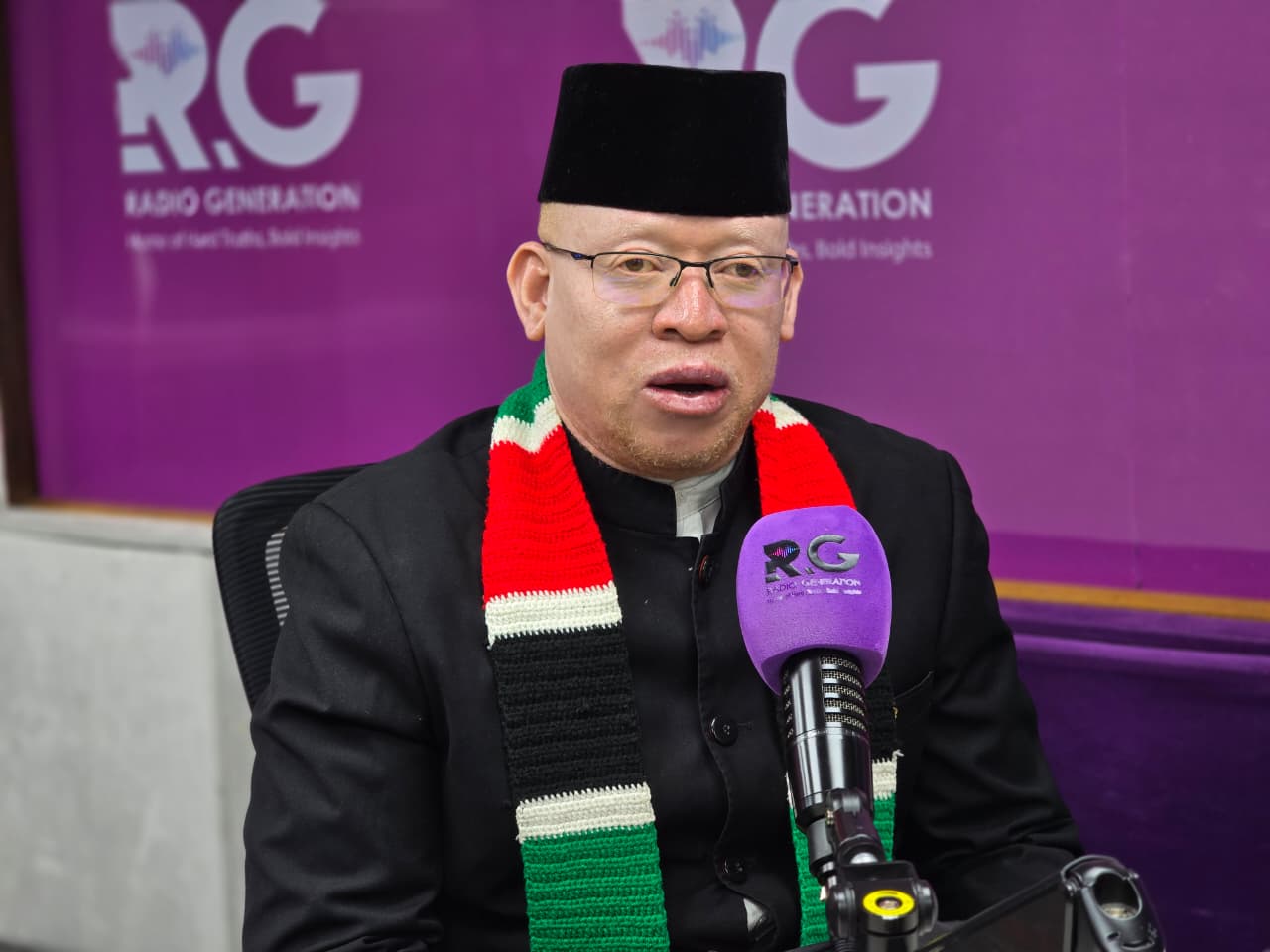
Government Spokesperson Isaac Mwaura has come out in strong defense of Deputy President Kithure Kindiki’s spending, saying his office plays a crucial role in driving and coordinating government programs.
Speaking on Radio Generation on Friday, Mwaura dismissed claims of financial misuse, emphasizing that the Deputy President’s office “serves as a principal arm of implementation” for President William Ruto’s agenda.
“The Deputy President is not just a ceremonial office. He is the President’s principal assistant, and part of his mandate is to ensure that government programs are executed efficiently,” Mwaura said.
According to the National Treasury’s Budget Implementation Report for the first quarter of the 2025/26 financial year, the Office of the Deputy President had used Sh1.34 billion , about 44.9 percent of its Sh2.97 billion recurrent budget by the end of September 2025.
The figure has sparked public discussion, especially after comparisons showed that former Deputy President Rigathi Gachagua had spent Sh331.8 million, or 12.8 percent of his allocation, during the same period last year.
Mwaura, however, defended the current spending pattern, saying the funds were channeled into coordination, county empowerment initiatives, and oversight duties rather than personal luxuries.
“The DP chairs key Cabinet committees and oversees performance across ministries. It is not about personal use but ensuring that objectives are achieved,” he said.
He further explained that the Deputy President’s office handles extensive operations that span across five executive functions — including the President, Deputy President, Prime Cabinet Secretary, and Secretary to the Cabinet — which demand frequent travel, fieldwork, and coordination costs.
“Just like ministries have portfolios, the Deputy President’s office has a mandate to serve across departments. The notion that it should only sit idle is misplaced,” Mwaura noted.
Recent figures from the Controller of Budget show that most of the Deputy President’s expenditure went toward coordination and administrative work, community engagement, and development partnerships.
These activities supported county empowerment projects under the Bottom-Up Economic Transformation Agenda (BETA). Internal reports seen by parliamentary committees show that the initiatives included business training workshops, cooperative mobilization, and small enterprise forums in counties such as Meru, Nyeri, Bungoma, Kisii, Narok, and Kwale.
Despite the extensive spending, the government has yet to release a detailed breakdown showing how much of the Sh1.34 billion went to empowerment projects compared to administrative expenses.
Mwaura stressed that the empowerment drives are part of a wider national development strategy that covers infrastructure, energy, agriculture, healthcare, and water programs.
He also pointed to progress made under government employment and training schemes. “These programmes are creating real opportunities, from training to seed funding of up to Sh50,000 for young people and persons with disabilities,” he said.
According to Mwaura, the office’s spending should be assessed based on its results and not public perception.
“When you go to the grassroots, you see results, houses coming up, youth getting jobs, and communities benefiting from development programs. That is government working,” Mwaura added.
He also brushed off reports of divisions within the top leadership, saying that the President, Deputy President, and Cabinet are united in achieving the government’s promises.
“Power is more relational than positional. The President, Deputy President, and Cabinet work hand in hand. It’s a whole-of-government approach,” he said.
Even as Mwaura sought to calm public concern, lawmakers have urged the Treasury and Controller of Budget to provide detailed explanations on the Deputy President’s expenditure ahead of Parliament’s mid-year review scheduled for December 2025.



Comments
Sign in with Google to comment, reply, and like comments.
Continue with Google