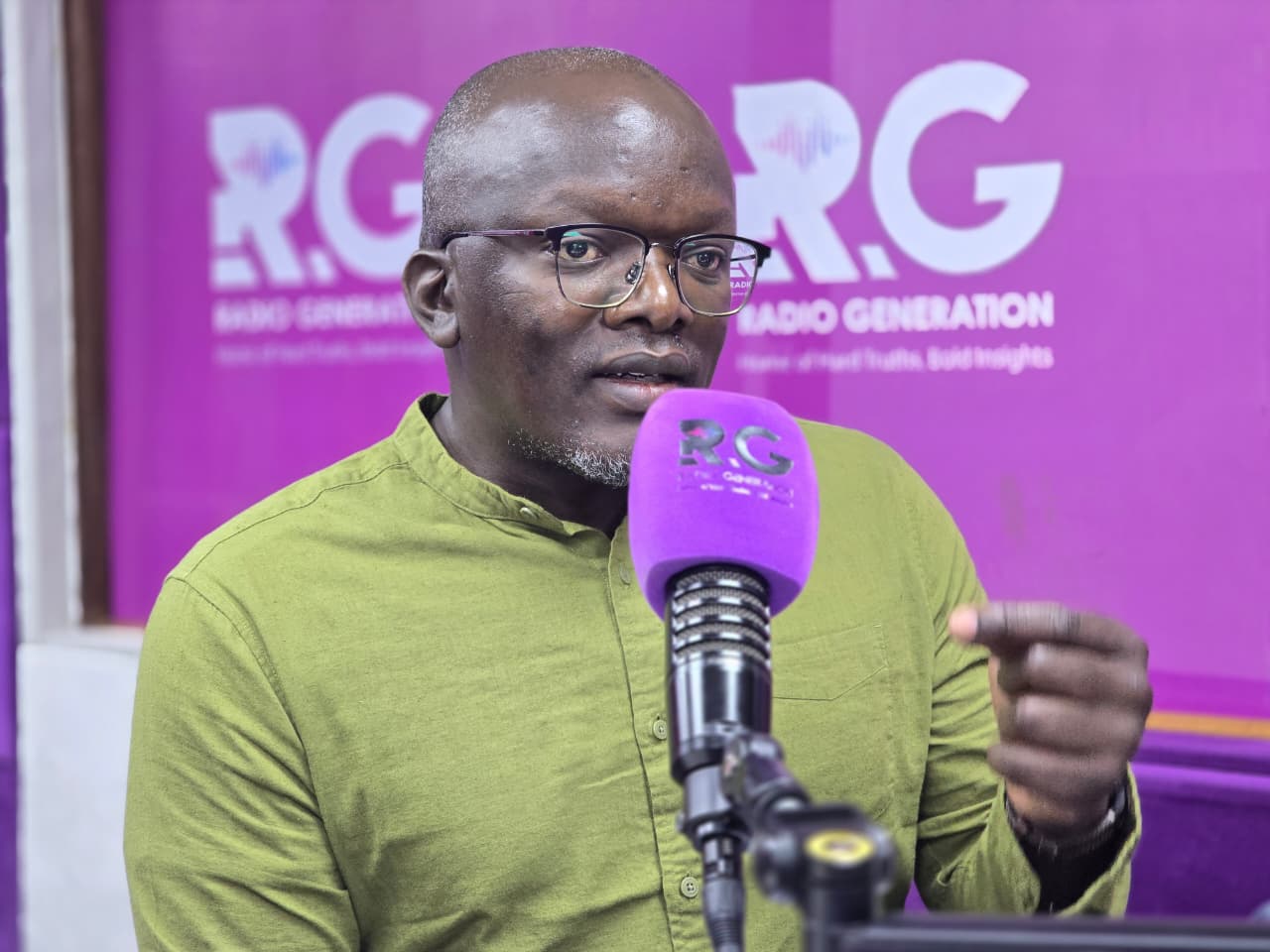
Human rights lawyer and member of the African Judiciaries Network, Evans Ogada, has urged East African leaders to confront growing political repression in the region, warning that recent developments in Tanzania threaten the principles of democracy and the rule of law.
Speaking during an interview on Radio Generation, Ogada said Tanzania’s recent political developments point to deeper problems threatening democracy and the rule of law and called on President William Ruto, as Chair of the East African Community (EAC) Summit, to urgently convene a meeting to address the matter before the situation worsens.
“The President has his finger on the pulse, and whenever you find those kinds of margins, it usually points to an unhealthy state of affairs,” he said.
“As chair of the EAC Summit, he is capacitated to call for an urgent meeting to discuss what’s happening, when people are killed, and we’re now seeing mass incarceration. These are things that directly touch on the rule of law.”
Ogada, who is also a member of the African Judiciaries Network, said he had spoken with colleagues and friends in Tanzania who confirmed growing unease following the recent elections.
He argued that the country’s stalled constitutional process and restrictions on judicial review had made it difficult for citizens to question election results or seek redress.
“There are three election observation reports from the East and Horn of Africa, and from SADC, and they’re quite damning,” he said.
“They raise fundamental questions about voter suppression, repression, and disqualification of opposition candidates. When observers flag such issues, it tells you something is deeply wrong.”
Ogada added that the region risks sliding backward if leaders continue to turn a blind eye to the erosion of democratic values.
He warned that the same frustrations Kenya faces today, rooted in unresolved historical injustices, could erupt elsewhere if not properly addressed.
“Tanzania must do one better than Kenya,” he said. “Our Truth, Justice and Reconciliation Commission was a joke. We never dealt with our past, and now we live with the consequences. You see it boiling over onto the streets once in a while. One day, it will explode in the faces of our politicians.”
He also condemned the crackdown on critics, including the arrest and intimidation of bloggers and activists.
“You cannot talk of reconciliation in the context of mass arrests,” Ogada warned. “I saw the Attorney General threatening to extradite a blogger just for criticizing the system. Leaders should not be this thin-skinned.”
Ogada urged African leaders to remember that elections are not tools for legitimizing power, but avenues for peaceful competition and renewal.
“Elections should enable peaceful and competitive leadership transitions,” he said. “Democracy isn’t about silencing people, it’s about listening to them, even when it’s uncomfortable.”
Tanzania's general election held on October 29, 2025, in which the incumbent President Samia Suluhu Hassan of the ruling Chama Cha Mapinduzi (CCM) party was declared the winner, were marred by widespread protests in major cities like Dar es Salaam, which were met with a severe government crackdown, including an internet shutdown and curfews.
The election process and results were highly controversial and internationally disputed, with reports from International observers, the African Union, and the Southern African Development Community (SADC) stating that the election did not meet democratic standards, citing irregularities, an unlevel playing field, internet blackouts, and use of excessive force by security agencies.































Comments
Sign in with Google to comment, reply, and like comments.
Continue with Google