
2025 proved to be a year of high drama in Kenya’s political arena, where mass public engagement collided with strategic political maneuvers. Demonstrations, party realignments, institutional appointments, and unexpected deaths made the year a turning point for governance and democracy.
Citizens and leaders alike navigated a landscape marked by both unrest on the streets and consensus-building in the corridors of power.
A major political milestone came on March 7 at Nairobi’s Kenyatta International Convention Centre, where President William Ruto and the late Prime Minister Raila Odinga signed a Memorandum of Understanding.
The deal committed both leaders to a 10 Point Agenda, setting a framework for cooperation between their parties. Its focus was on addressing governance, fiscal management, devolution, youth empowerment, and broader socio-economic challenges.
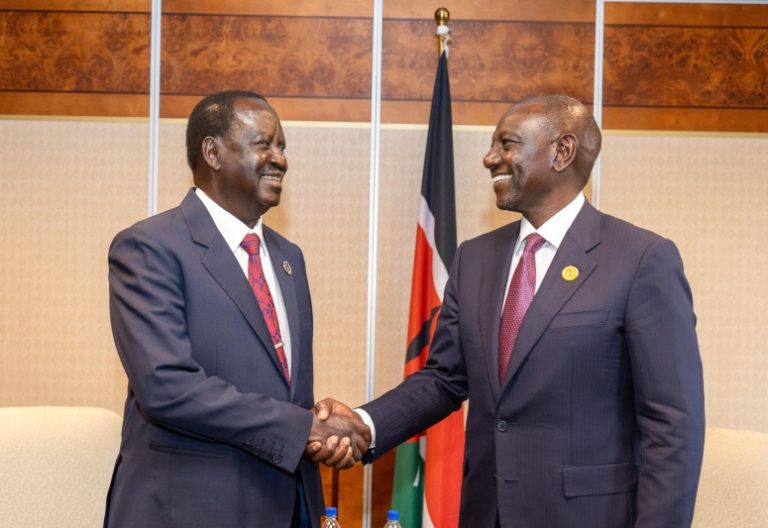 ODM Chief Raila Odinga (R) and President William Ruto. PHOTO/People Daily
ODM Chief Raila Odinga (R) and President William Ruto. PHOTO/People Daily
The MoU pledged adherence to recommendations from the National Dialogue Committee report and promoted inclusive decision-making in governance. At the signing, President Ruto stated, “We are committed to ensuring a credible, inclusive, and transparent governance framework. These commitments are not just political agreements but steps toward delivering tangible benefits to all Kenyans.” Raila Odinga described the agreement as a new stage of bipartisan collaboration, aimed at reinforcing the rule of law and improving citizen welfare.
A five-member committee, chaired by former nominated Senator Agnes Zani, was formed to monitor the implementation of the agenda. Members from both UDA and ODM were appointed to ensure the plan translated into action on the ground.
Meanwhile, protests led by Kenya’s youth surged again, building on the momentum of previous demonstrations. High living costs, economic frustrations, and allegations of police brutality fueled the unrest. Thousands of young Kenyans joined marches and sit-ins in multiple cities, reflecting a growing demand for government accountability.
The crisis intensified following the death of blogger and teacher Albert Ojwang in police custody in June. His passing ignited public anger, particularly around Saba Saba in July, a historically symbolic date for pro-democracy activism. The state responded with a crackdown, deploying live ammunition and tear gas, which resulted in dozens of deaths and hundreds of injuries, sparking both national and international concern.
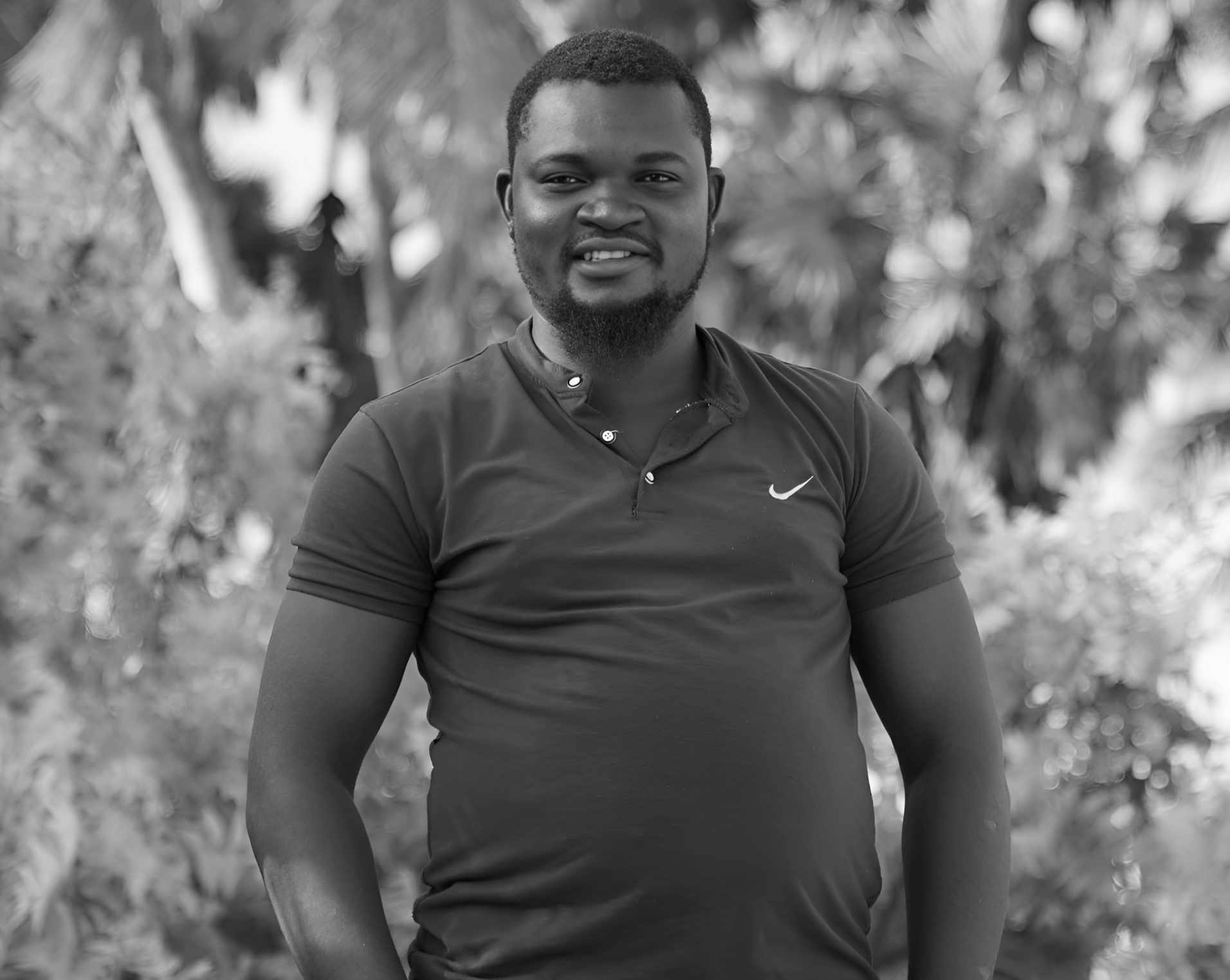 The late Albert Ojwang, who was murdered in police custody. PHOTO/Handout
Institutional reform also featured prominently. In mid-2025, President Ruto appointed a new leadership team at the Independent Electoral and Boundaries Commission (IEBC), ending over two years of inactivity. Initial appointments made in early June were temporarily halted by a High Court conservatory order.
Following compliance with the court directive, the President re-gazetted the names, allowing the swearing-in of commissioners on July 11. Erastus Edung Ethekon became the chairperson, with Ann Njeri Nderitu, Moses Alutalala Mukhwana, Mary Karen Sorobit, Hassan Noor Hassan, Francis Odhiambo Aduol, and Fahima Araphat Abdallah completing the team.
The appointments restored a fully functional IEBC, which had been hampered since 2023, delaying voter registration, boundary reviews, and by-election management. The new leadership laid the foundation for orderly preparations ahead of the 2027 general election.
The nation was later struck by the passing of Raila Odinga, a towering figure in Kenyan politics. He died in India at 80 following a sudden cardiac arrest at a Kerala hospital. President Ruto eulogized him as “a once-in-a-generation leader, a tower of principle, and a father of our democracy,” while ordering seven days of national mourning, flags at half-mast, and a state funeral.
Odinga’s death brought massive public mourning. Tens of thousands gathered in Kibera, other regions, and Nairobi’s national stadium for public viewings. The crowds became difficult to manage, forcing security forces to use tear gas and gunfire, resulting in additional casualties.
His state funeral was held on October 17 at the national stadium, with attendance from Kenyans, government officials, and foreign dignitaries. Military honours, including a 17-gun salute, preceded a private burial at the family mausoleum in Bondo, Siaya County.
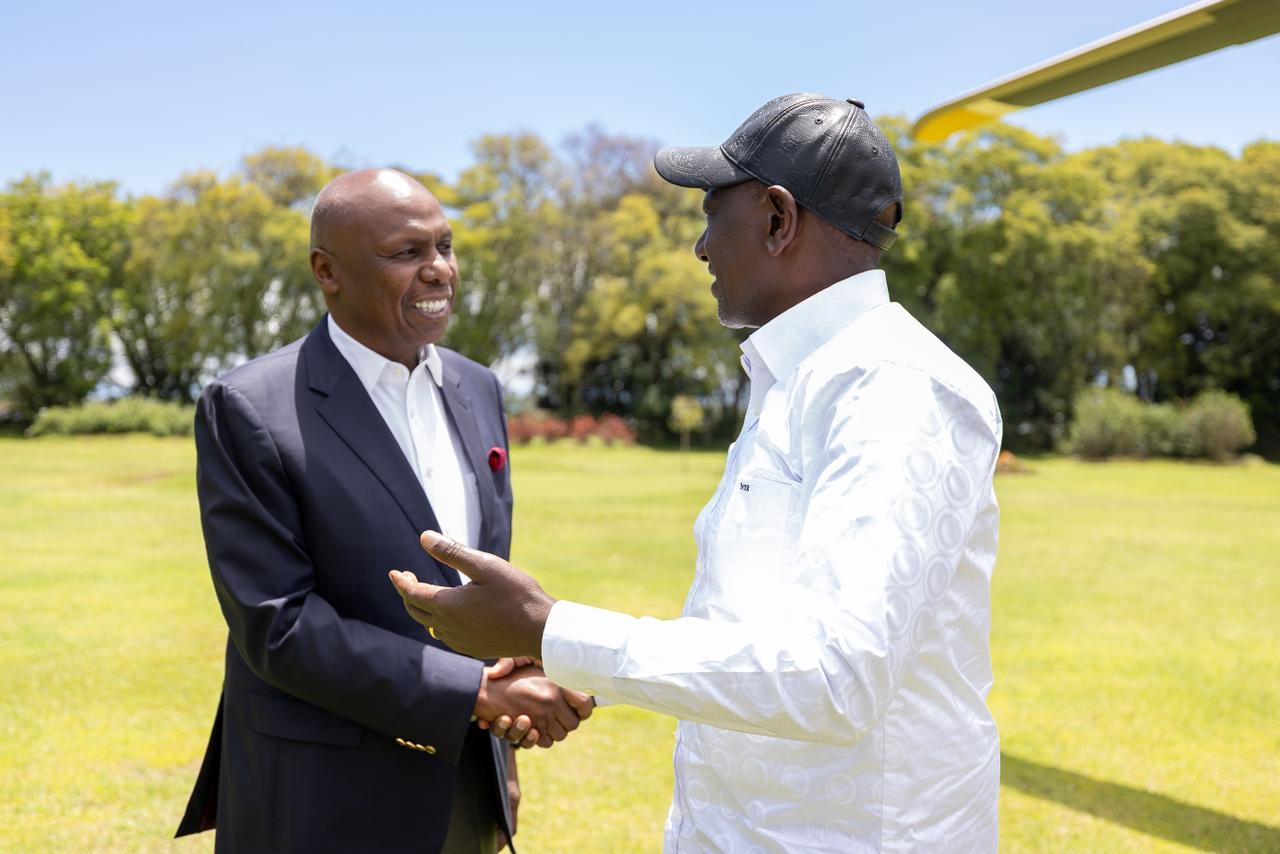 President William Ruto arrives at Kabarak, Nakuru and is received by KANU Chairman Gideon Moi on October 10, 2025. PHOTOS/PCS
Political alignments continued to evolve. On October 10, President Ruto and KANU leader Gideon Moi reconciled, formalizing an alliance aimed at national unity and political collaboration. Ruto said the move was to “unite Kenya” and strengthen governance, while Moi stressed stability in the Rift Valley.
As part of the deal, Moi withdrew from the Baringo senatorial by-election, citing coordination with Ruto to prevent political fragmentation. Despite the public display of unity, KANU’s youth wing criticized the agreement as a betrayal of the party’s founding principles.
In ODM, leadership passed to Oburu Oginga following Raila Odinga’s death. On October 16, the party’s National Executive Council appointed him Acting Party Leader, with delegates from Nyanza confirming him days later. The National Governing Council formally ratified his position on November 13 in Mombasa.
Oburu appointed Abdulswamad Nassir, Simba Arati, and Godfrey Osotsi as deputy leaders alongside other key officials. He pledged party unity, rejected claims of internal strife, and indicated that ODM would work pragmatically with the government where it aligned with the party’s goals and strengthened its position ahead of the 2027 election.


























Comments
Sign in with Google to comment, reply, and like comments.
Continue with Google