Kinuthia warns 2027 poll is ‘Ruto vs Kenyans’ amid trust, economy fears
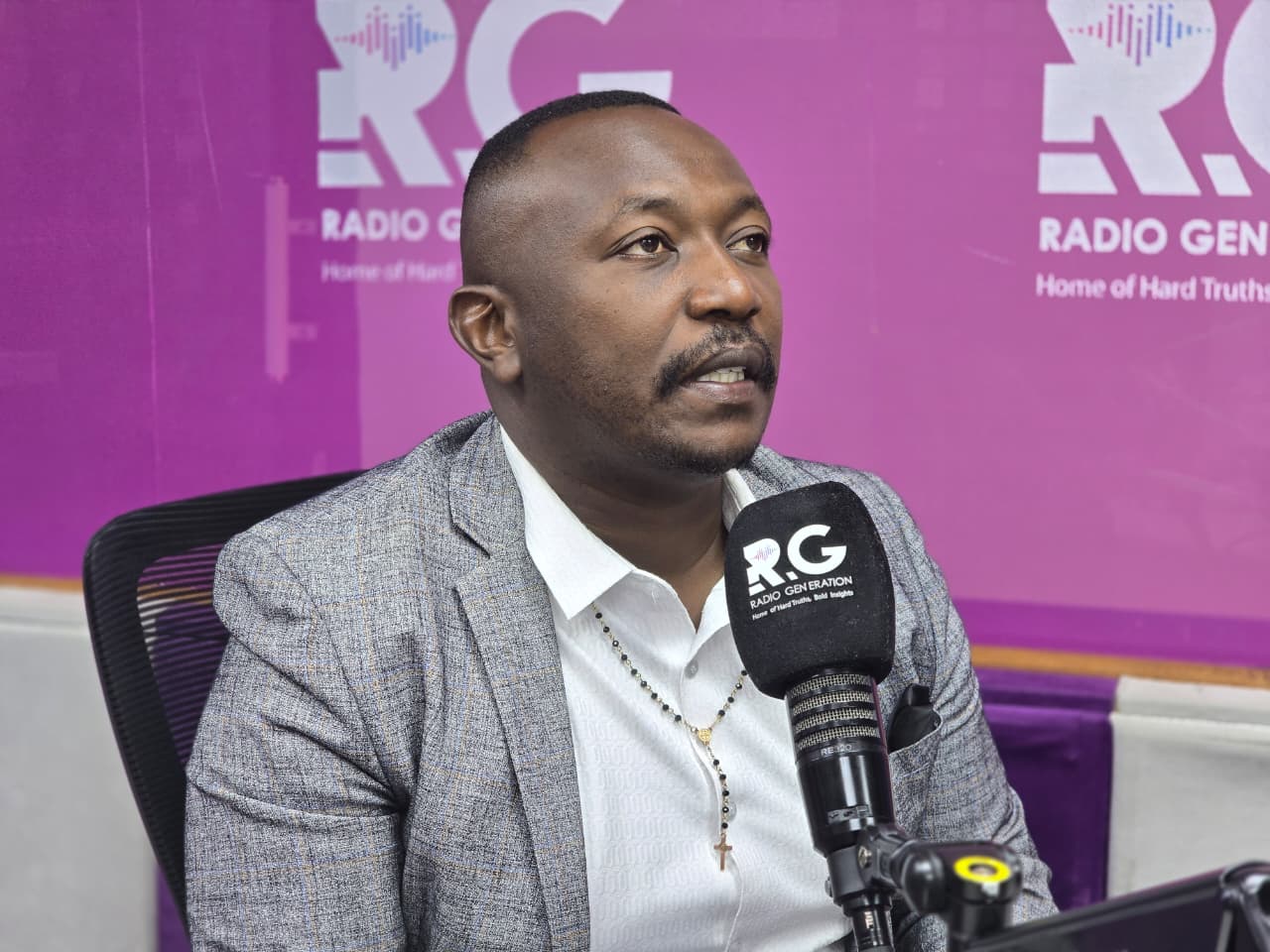
Lawyer Fanya Mambo Kinuthia says the 2027 race will pit President William Ruto against Kenyans, citing police violence, low turnout, economic pain and unanswered questions over World Bank education funds.
Lawyer and political analyst Fanya Mambo Kinuthia says the 2027 election will be President William Ruto versus Kenyans, citing police violence, voter registration fears, economic hardship, and questions over World Bank education funds.
He warns that profiling, impunity and unmet promises risk deepening mistrust between citizens and the state.
Speaking during a Radio Generation interview on Monday, the analyst said recent confrontations between opposition leaders and security agencies show that the state is increasingly intolerant of dissent.
He cited repeated incidents where opposition meetings had been disrupted, including violent scenes in churches, which he said were intended not only to intimidate politicians but also to frighten religious leaders into refusing to host them.
“They were trying to do two things,” he said, explaining that the aim was to fight Rigathi Gachagua and make him cow down and also to scare all pastors and bishops from hosting.
Kinuthia added that the resilience shown by opposition figures had instead heightened fear within the establishment, saying, “If you’re going to kill us, kill us.”
Turning to electoral politics, the analyst argued that President William Ruto faces a structural problem in assembling a winning coalition.
The analyst said reliance on traditional opposition strongholds would not be enough, noting that even regions that overwhelmingly supported Raila Odinga in previous elections recorded relatively low voter turnout.
“When Baba was on the ballot, only 1.5 million of them turned up,” he said of four counties in the Nyanza region, describing turnout of about 60 per cent.
He argued this reality meant the president knows that relying on Luo Nyanza alone is not going to make him president, forcing him to seek support elsewhere, particularly in Mount Kenya.
The analyst also dismissed the idea that current political alliances mirror past opposition strength.
He said the ODM of today was not the ODM that the late Raila left, describing it as divided and struggling even in urban areas such as Nairobi.
In his view, the coming election would not be about personalities. “2027 is William Ruto versus Kenyans,” he said.
A major part of the discussion focused on claims that foreigners were being issued Kenyan identity documents and registered as voters.
While acknowledging security concerns, the analyst warned against ethnic profiling and vigilantism. “Profiling has long-term negative consequences,” he said, cautioning that such narratives risk weaponising communities against neighbours without clear evidence.
He questioned whether the numbers involved could realistically alter an election outcome, arguing that low voter turnout among registered Kenyans was a bigger issue.
“If the voter turnout went up by just another 20 per cent, the discussion that you are having right now will be a completely different one,” he said.
On the economy, he pointed to closed businesses and rising hardship as evidence of growing public anger.
Kinuthia said anyone who had seen shrinking pay slips, lost loved ones during protests, or struggled to educate their children understood the stakes. “It is William Ruto versus the Republic of Kenya,” he said.
The sharpest criticism was reserved for the handling of education funding. The analyst cited a World Bank disbursement of Sh23.2 billion in December 2025 meant to support the transition of learners into Grade 10 under the new curriculum.
He said the funds were earmarked for “school fees, uniform, at least one classroom in every school.”
Yet, he said, by January 2026, 800,000 children were still at home. He questioned whether the money had been used as intended, urging donors to pause further funding.
“Before you give that money, consult us as Kenyans and ask us whether the first one was used to help our children,” he said.
Quoting the president directly, he criticised instructions telling parents to take children to school regardless of uniforms or books, and to pay later.
“He has no intention of using the World Bank money to pay school fees for our children,” the analyst said, insisting the conditions were clearly outlined.
Kinuthia concluded that without accountability, trust in institutions would continue to erode, warning that unresolved grievances over policing, elections and education risk defining Kenya’s political future.


Comments
Sign in with Google to comment, reply, and like comments.
Continue with Google