Nairobi River regeneration gains momentum as Sakaja cabinet approves major works
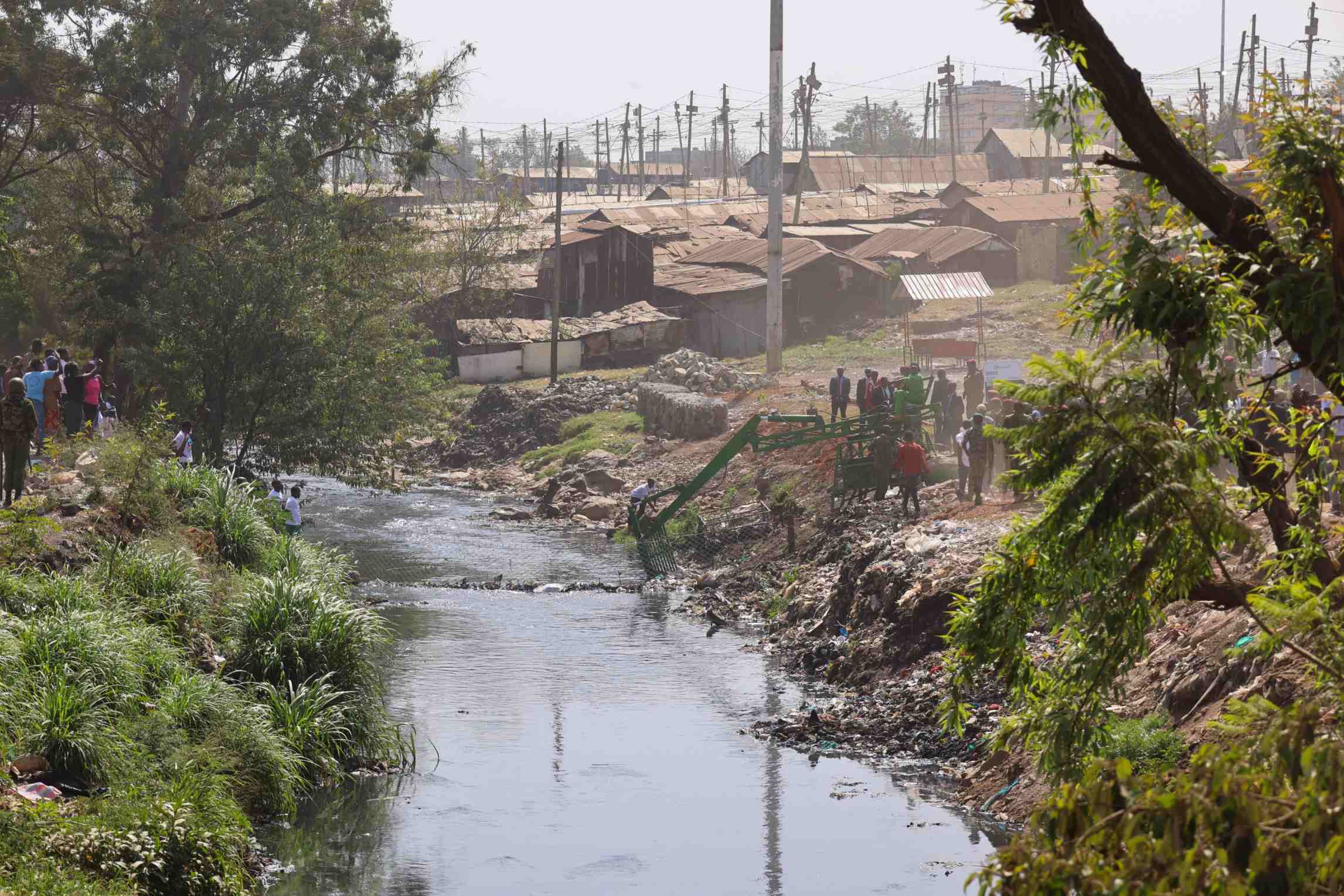
The programme, backed by a Sh50 billion budget, brings together major environmental repair works and large infrastructure upgrades aimed at fixing decades of damage to the Nairobi River and its tributaries.
Nairobi’s polluted rivers are finally on a clear path to recovery after the County Cabinet approved the Nairobi River Regeneration Programme, a wide-ranging plan that promises cleaner waterways, safer neighbourhoods and new economic chances for residents living along the river corridors.
The programme, backed by a Sh50 billion budget, brings together major environmental repair works and large infrastructure upgrades aimed at fixing decades of damage to the Nairobi River and its tributaries. County leaders say the project is already showing results and is moving steadily toward its January 2027 completion date.
Governor Johnson Sakaja, who chaired the County Cabinet meeting on Thursday, pointed to key milestones already achieved under the initiative, describing the project as both an environmental and social intervention.
“This regeneration is about people as much as it is about the environment, safer homes, better markets and decent livelihoods for our communities,” he said.
Among the most notable achievements so far is the construction of a 60-kilometre trunk sewer line, the first major sewer upgrade the city has seen in decades. Officials say the new system is critical in stopping raw waste from flowing into the river, one of the main causes of long-standing pollution.
The programme also includes riverbank strengthening works, expanded storm-water drainage to reduce flooding, and major cleanup and repair efforts at the Dandora dumpsite. These measures are meant to cut pollution at its source while restoring damaged sections of the river ecosystem.
Beyond engineering works, county officials say the project is changing daily life along the river. Cleaner surroundings, better drainage and new public spaces are expected to improve health, safety and income opportunities for communities that have lived for years with polluted water and frequent floods.
The Nairobi River Regeneration Programme is a flagship multi-agency project launched in March 2025 to reverse decades of pollution in the capital’s rivers and turn them into usable urban spaces. The initiative was officially unveiled by President William Ruto, who described it as a life-changing effort to improve sanitation, public health, infrastructure and economic activity across the river basin.
At the heart of the plan is the rehabilitation of Nairobi’s main rivers, including the Nairobi River itself, through sewer upgrades, flood control, improved waste handling and the renewal of riverbanks. The blueprint also features green public parks, walking paths, cycling lanes and modern markets designed to support local trade.
Officials have acknowledged that restoring all the rivers fully, including Ngong and Mathare, will need much more funding. Governor Johnson Sakaja has said the total cost could rise to about Sh180 billion, or roughly Sh60 billion per river, highlighting the scale of the task and the need for continued support from the national government.
Work on the ground is already visible in areas such as Kamukunji, Korogocho and Lucky Summer, where river widening, sewer upgrades and early landscaping have begun. These efforts are being carried out through close coordination between the Nairobi County Government, the Nairobi Rivers Commission and several national ministries.
Plans are also underway to develop green riverfront parks, pedestrian walkways, cycling lanes and modern markets expected to serve up to 20,000 informal traders. Affordable housing projects and flood-control wetlands are also part of the wider plan to protect residents while improving living conditions.
“The Nairobi River Regeneration Programme is not just about clean water, it is about economic opportunity,” Sakaja explained, noting that more than 40,000 jobs have already been created for young people involved in cleanup and construction work.
“A clean river is not a luxury, it is a lifeline for public health, jobs and the dignity of our city,” he added.
The County Cabinet has also resolved to increase public participation within the Special Planning Area, which covers a 60-metre zone along the riverbanks. County departments have been directed to speed up approvals for riverbank projects, strengthen action against illegal structures and pollution, and offer support to residents and traders affected by redevelopment.
This support includes alternative trading spaces and job training to help people adjust during the transition. Sakaja stressed that the Special Planning Area is meant to guide organised development, not to force evictions.
“Relocation decisions will be guided by social and environmental impact assessments and commitments to dignified, nearby housing options,” he assured.
Residents living near several sections of the river have already reported early improvements, including fewer bad smells, reduced pests and the slow return of birds, signs that the river is beginning to recover.
Once complete, the regeneration programme is expected to deliver cleaner rivers, safer public spaces, stronger flood protection and renewed economic activity. City Hall says the project marks a major shift in Nairobi’s future, turning the river from a symbol of neglect into a foundation for green growth and shared opportunity.


Comments
Sign in with Google to comment, reply, and like comments.
Continue with Google