
Oxfam International has raised alarm over worsening inequality in Kenya, warning that almost half of the country’s population now lives in extreme poverty despite years of economic growth.
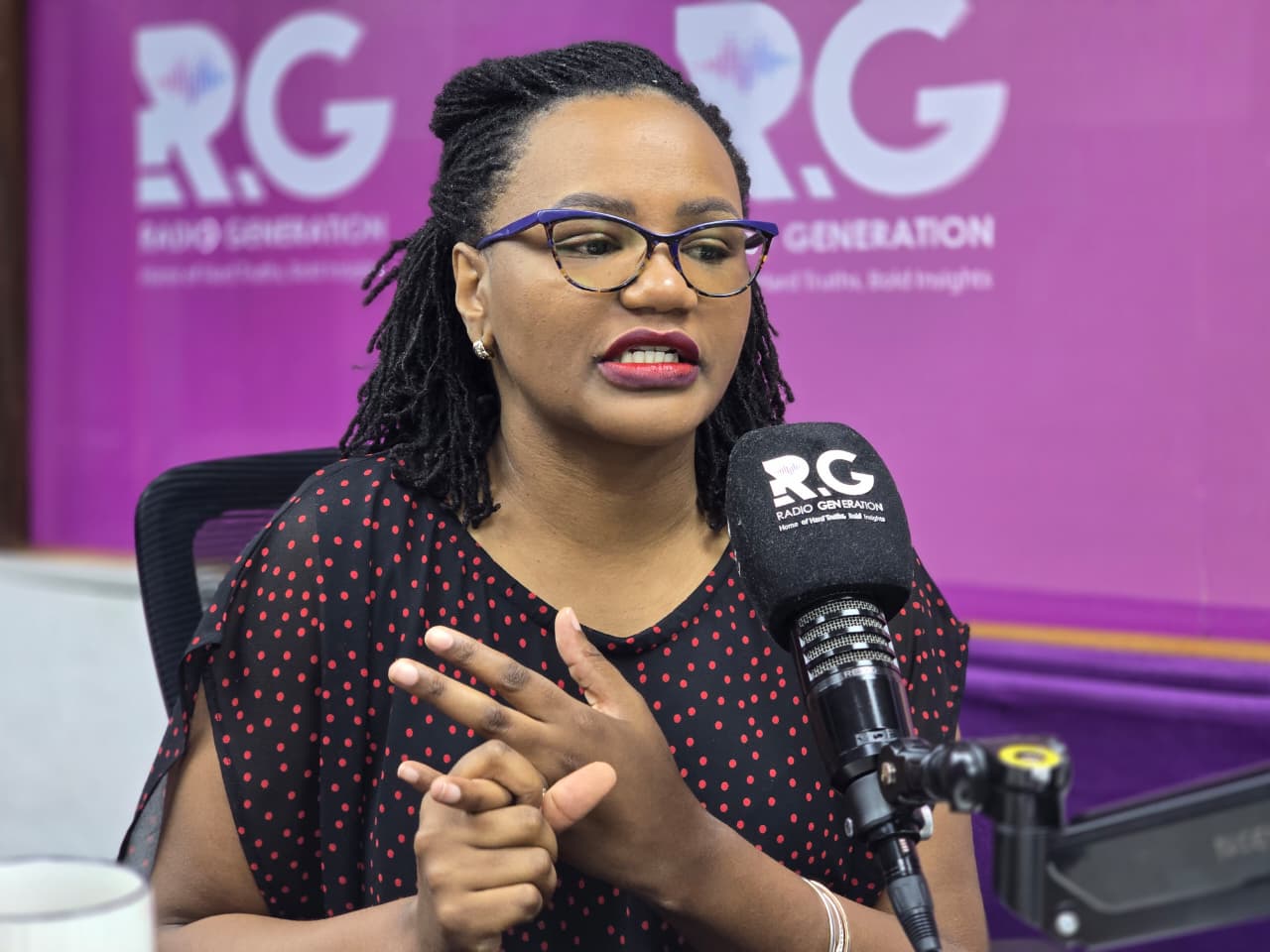
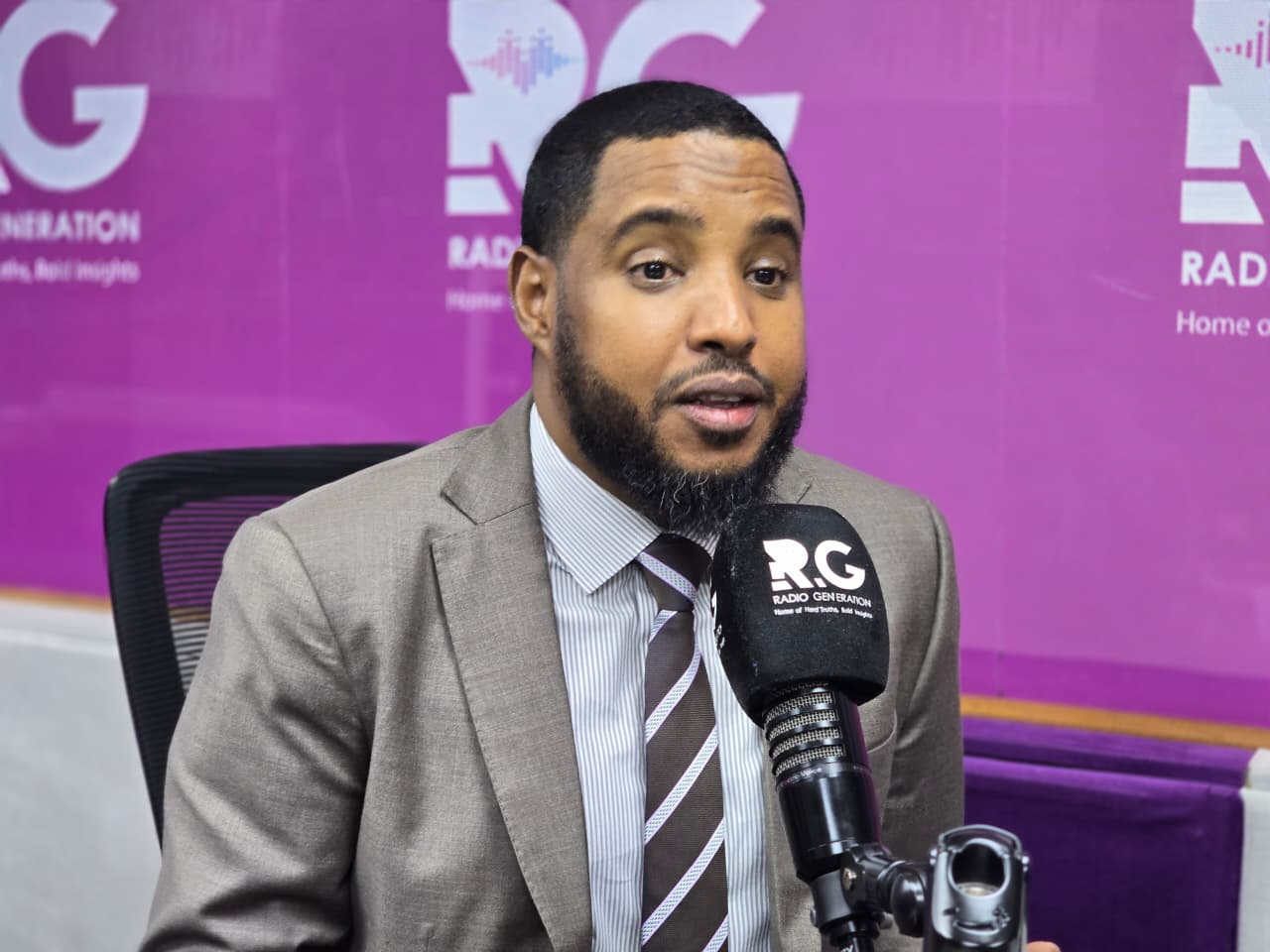
Appearing on Radio Generation on Tuesday, Oxfam Kenya’s Accountable Governance Lead Rodgers Kidiya and Oxfam International’s Inequality Policy and Research Advisor Anthony Kamande cautioned that the country’s development model is not sustainable and is leaving millions behind.
Oxfam International, a confederation founded in 1942 as the Oxford Committee for Famine Relief and now active in over 70 countries worldwide, works to fight poverty, injustice, and inequality through both humanitarian response and long-term development, advocating for sustainable livelihoods, basic services, inclusive governance, and equal opportunities.
Oxfam has operated in Kenya since 1963, the organisation partners with communities to support vulnerable populations, particularly in marginalized areas, while campaigning for equitable public services, transparent resource governance, and fiscal justice.
According to the latest Oxfam report, the richest 125 Kenyans own more wealth than 42.6 million people, roughly 77 percent of the population.
Meanwhile, since 2015, seven million more Kenyans have fallen into extreme poverty, marking a 37 percent increase in that period.
Kidiya says, “We collaborate with the private sector to tackle the problem of inequality,” noting that the organisation focuses on droughts, floods, conflict-affected areas, system strengthening, fiscal policy and natural resource governance.
Kamande defended Oxfam’s findings, clarifying that the latest inequality report uses up-to-date data up to 2023.
“The richest 125 Kenyans have more wealth than 43 million of us,” he said, emphasising that the report draws from the Kenya National Bureau of Statistics (KNBS), the World Bank and the World Inequality Lab, a global body that compiles income and wealth statistics for all countries.
“We have used a combination of sources, because it’s very difficult to get data on the top income earners. We rely on credible agencies to gather that data.” He says.
Kamande explained that Oxfam’s use of KNBS data is deliberate and central to the report’s credibility.
“Most of the data here is actually from the Kenya National Bureau of Statistics,” he noted, pointing to economic surveys and household surveys. “We do rely on the national bureau because it is the official agency that gives us the data on enrolment, poverty and many other issues.”
Addressing public confusion around poverty and inequality, Kidiya said it is critical to distinguish the two.
“Poverty is basically lack of resources, the standard that we have today is 130 shillings per day,” he said.
Visible indicators of poverty include hunger, shelter, schooling and daily survival needs.
“When it comes to inequality, we shift discussion. Inequality asks deeper questions, why do we have many people who lack resources and very few people who have a lot?” He notes.
He described inequality as systemic, visualised through stark contrasts such as “where you have Karen, you have Kibera, where you have Muthaiga, you have Mathare.”
The contrast, he said, is replicated across African cities, from Eswatini to Djibouti, Madagascar, Bamako and many others. “You see high-rise buildings and expressways, but just walk a few metres away and you see the face of poverty.”
According to Kamande, extreme poverty has surged. “The number of people living under the poverty line has gone up by 7 percent since 2015,” he said, noting that “almost half of Kenyans live under extreme poverty.”
He insisted the numbers come from KNBS, the same agency the government relies on for economic statistics.
Food inflation remains a key driver of the crisis. “Since 2020 the cost of food has gone up by 50 percent,” Kamande said, explaining that food inflation alone rose by 7.7 percent in the last one year.
He stressed that price pressure affects poor households most, “Imagine a woman earning 200 shillings per day, paying an extra 7.7 shillings to access food means a lot.”
Kidiya concluded that inequality is the hidden factor behind public frustration. “People have been asking, why are we developing at 5 percent for ten years but still feeling worse? The answer is inequality. The development is going to the top, and the poor are getting poorer.”
Oxfam maintains that unless Kenya addresses systemic inequality, economic growth will continue to benefit a small elite while the majority struggle for survival.




























Comments
Sign in with Google to comment, reply, and like comments.
Continue with Google