Desperate for work, many young Kenyans are falling prey to false promises from unscrupulous recruiters, leaving them exposed to exploitation, illegal labor, and even armed conflict abroad. Some sell family property or borrow money to pursue these opportunities, only to discover that the jobs are fake or the arrangements unsafe.
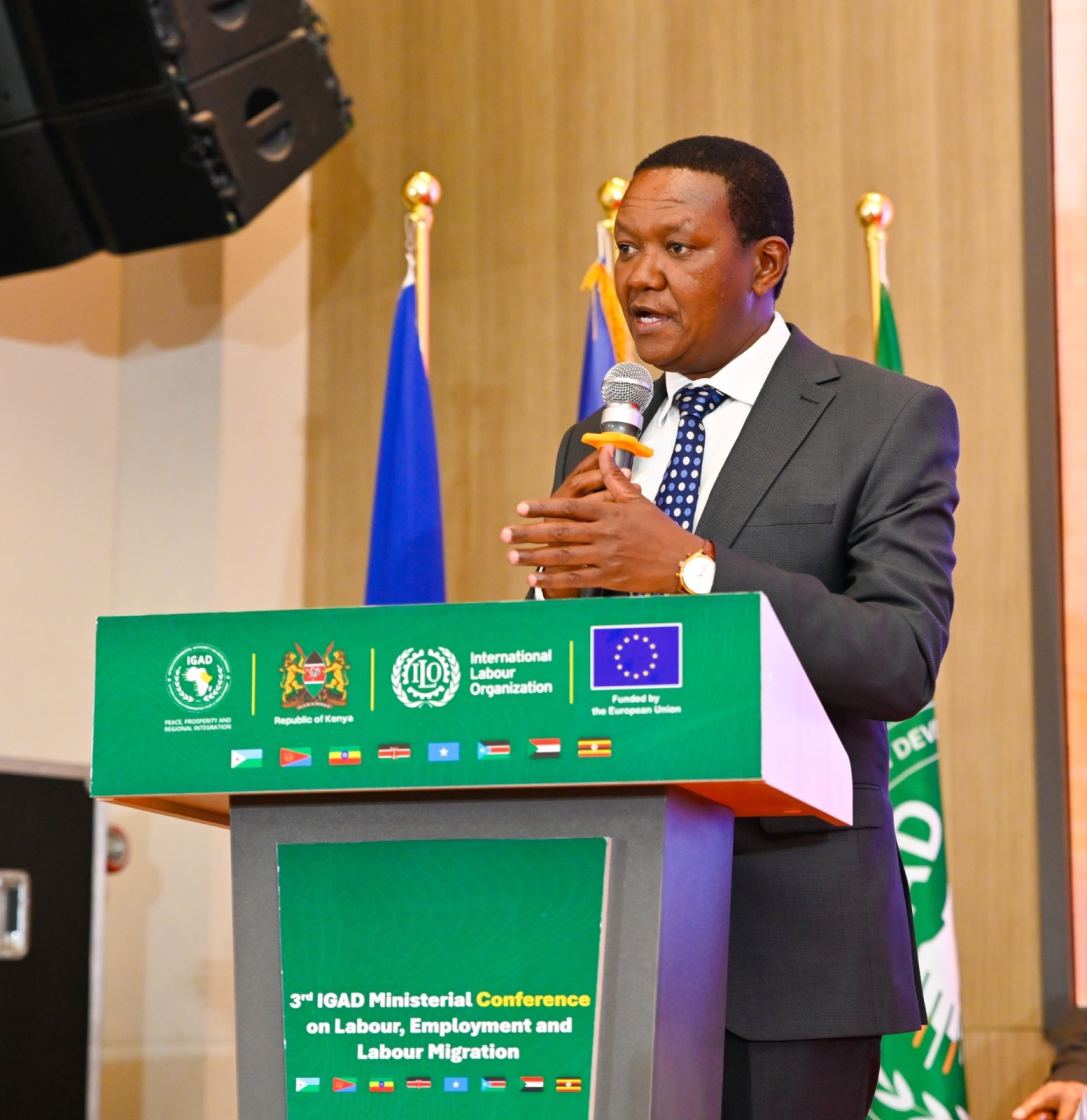
At the NYOTA Capital disbursement in Malindi, Kilifi County, on Thursday, February 5, President William Ruto and Labour and Social Protection Cabinet Secretary Alfred Mutua warned about the growing threat posed by rogue agents luring Kenyans into risky overseas employment. Mutua urged job seekers to use only official government channels to verify foreign job opportunities.
In recent months, the Ministry of Foreign Affairs has recorded a spike in complaints from Kenyans who traveled abroad under misleading arrangements. Some were sent on the wrong visa type, while others were deceived about the work awaiting them.
“If that agency or the job opportunity is not on the website, know that you are being duped. If you cannot do it through the website just dial 08002222223 for free you will communicate with an agent who will ask you questions, they will confirm if the agents are rogue,” Mutua said.
He warned that some young people are being sent abroad using visitor or tourist visas instead of legitimate work permits, leaving them vulnerable to arrest, exploitation, or disappearance. Mutua revealed alarming cases of youth recruited into foreign conflicts or going missing shortly after departure.
“We have Kenyans who have been taken to foreign countries using visitors’ visas. People here from Malindi who are abroad went on employment visas. Those giving out tourist and visitors visas are rogue agents,” Mutua said.
“We have young people being taken to foreign countries to fight for foreign countries. Others are going and go missing there.”
These warnings come amid growing concern over Kenyans being recruited to fight in Russia’s war in Ukraine. In November 2025, Foreign Affairs Cabinet Secretary Musalia Mudavadi disclosed that about 200 Kenyans were known to be fighting for Russia, noting that recruitment networks were active both locally and in Russia.
Some recruits were former members of Kenya’s security forces. Survivors who returned reported being forced to assemble drones or handle chemicals without proper training or safety equipment. Others were promised salaries and benefits that never materialized.
President Ruto has since appealed to the Ukrainian government to facilitate the release of Kenyans detained in the conflict zone. Ukrainian authorities estimate about 1,400 Africans are fighting alongside Russian forces, many recruited under deceptive schemes. Kenya’s embassy in Moscow has also reported injuries among some recruits who were promised up to $18,000 for visas, travel, and accommodation.
Mudavadi also warned that some Kenyans abroad are being coerced into forced criminal activities, including drug trafficking and exploitative labor.
“These crimes present a serious threat not only to the national security of Kenya but to global security as well,” he said.
In September, authorities rescued more than 20 Kenyans preparing to join the war near Nairobi, while a suspected recruitment coordinator was arrested and is facing prosecution.
The dangers were highlighted in a BBC documentary about Clinton Nyapara Mogesa, a 28-year-old Kenyan who died in eastern Ukraine. Ukrainian Defence Intelligence said his body was found in a former Russian position in Donetsk.
Mogesa had been living and working in Qatar before traveling to Russia, where he reportedly signed a contract with the Russian military. He received minimal military training and was deployed to the front line, where he died during what Ukrainian officials called a “meat assault,” a term for a high-casualty frontal attack.
“Mogesa left a job in Qatar, received minimal military training, and was subsequently sent to the combat zone, where he was killed during an assault operation,” the Ukrainian intelligence report said.
When his remains were recovered, he was carrying passports belonging to two other Kenyans, raising fears that more citizens may be involved in similar circumstances.
Back home, Mogesa’s family is struggling to cope with his death and is seeking help to repatriate his body. His cousin Vincent Okemwa told BBC Newsday, “He had good plans for the family and now everything has been shattered,” adding that authorities have provided little information. His father sold land to fund his son’s trip, and his diabetic mother depended on him for medical care.
In response to the growing crisis, Mudavadi announced plans to travel to Russia to engage their government and protect Kenyans abroad.
“I will soon be making an official visit to Russia so that we can engage their government and discuss these issues, so that Kenyans do not fall into traps,” he said. He emphasized that misinformation, illegal recruitment, and false promises have put many young people in danger.