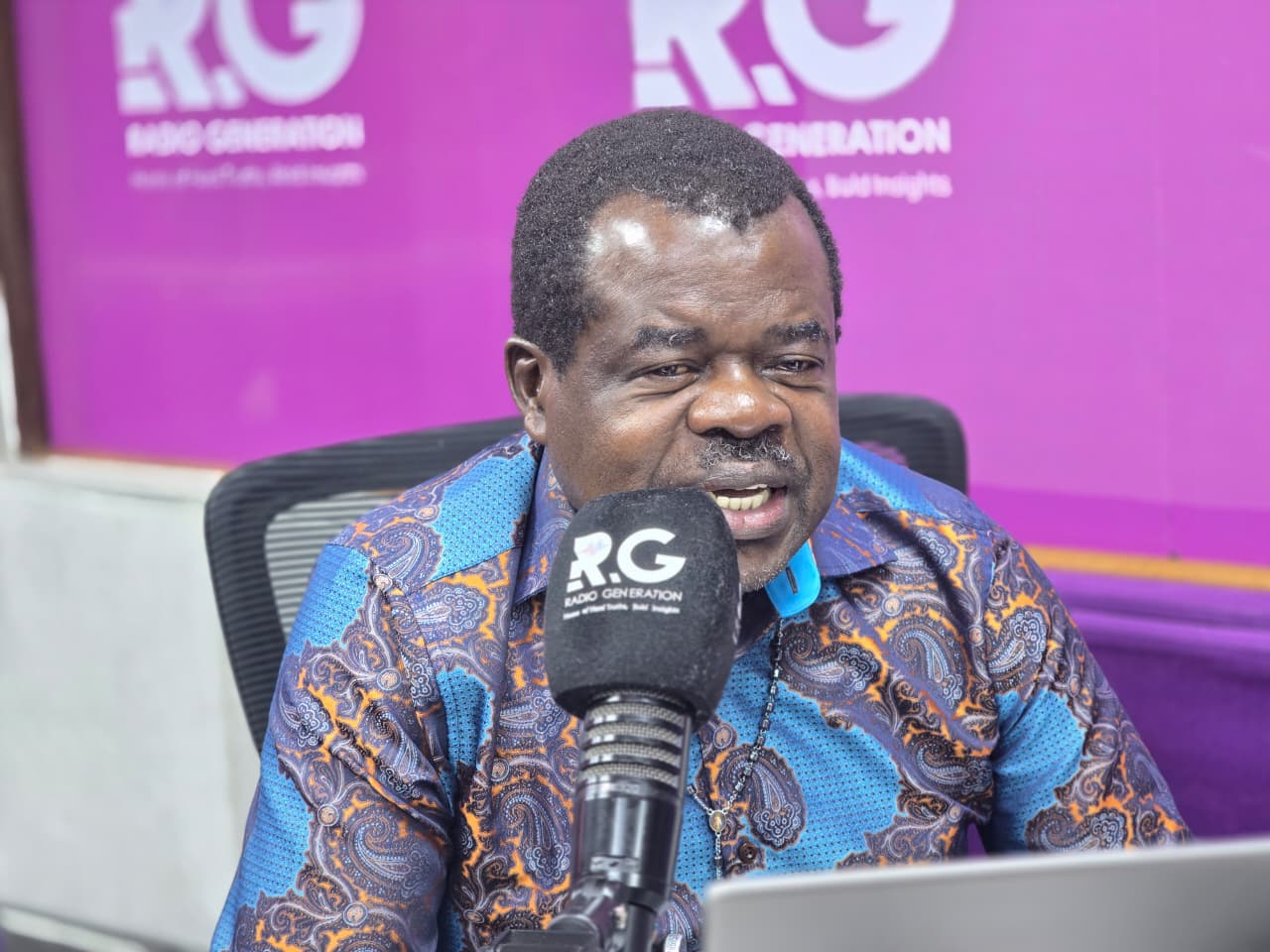
A fresh court showdown has emerged over the government’s privatisation agenda, with Busia Senator Okiya Omtatah and other petitioners urging the High Court to reject an attempt by the Attorney-General to shut down their case before it is heard.
In their submissions dated March 31, 2026, the petitioners argue that the preliminary objection filed by the Attorney-General is defective in law and is aimed at blocking judicial review of what they term unconstitutional actions by the Executive. They insist the court should allow the matter to proceed so that the issues raised can be fully examined.
The dispute focuses on the ongoing privatisation process, including plans involving the Kenya Pipeline Company, which the petitioners say is being carried out outside constitutional limits.
They have challenged the Attorney-General’s reliance on the doctrine of res judicata, arguing that the objection fails to meet the standards required to dispose of a case at a preliminary stage. According to them, deciding whether the issues have already been settled would require a detailed look at evidence and past rulings, which cannot be done without a full hearing.
The petitioners say their case raises fresh constitutional questions that have not been addressed before. These include concerns about the legality of the Privatisation Act, 2025, the alleged role of the International Monetary Fund in influencing policy decisions, and claims of financial misconduct linked to KPC.
They also question the legality of recent appointments to the Privatisation Authority and fault the use of a Sessional Paper, rather than an Act of Parliament, to approve the privatisation programme.
In response to earlier rulings cited by the Attorney-General, including decisions made in 2026, the petitioners argue that those cases do not bar the current proceedings. They point out that the rulings were issued by courts of equal standing and dealt with narrower matters than those now before the court.
The group has rejected claims that the petition is an abuse of the court process, maintaining that it is based on new developments, fresh evidence, and unresolved legal questions surrounding the privatisation exercise.
They also dispute the government’s claim that the Kenya Pipeline privatisation process has already been finalised, arguing that the matter is still open to challenge. They say courts have the authority to overturn decisions even after implementation if constitutional breaches are established.
On the issue of alternative dispute resolution, the petitioners argue that the matters raised are purely constitutional and fall within the jurisdiction of the High Court, making prior administrative action unnecessary.
They further urge the court to be guided by legal principles that discourage striking out cases unless they are clearly without merit.
Given the seriousness of the issues, the petitioners have asked the court to certify the case as one raising substantial questions of law and refer it to a bench of three or more judges.
They are seeking orders to have the Attorney-General’s objection dismissed and the case allowed to proceed to a full hearing.






























