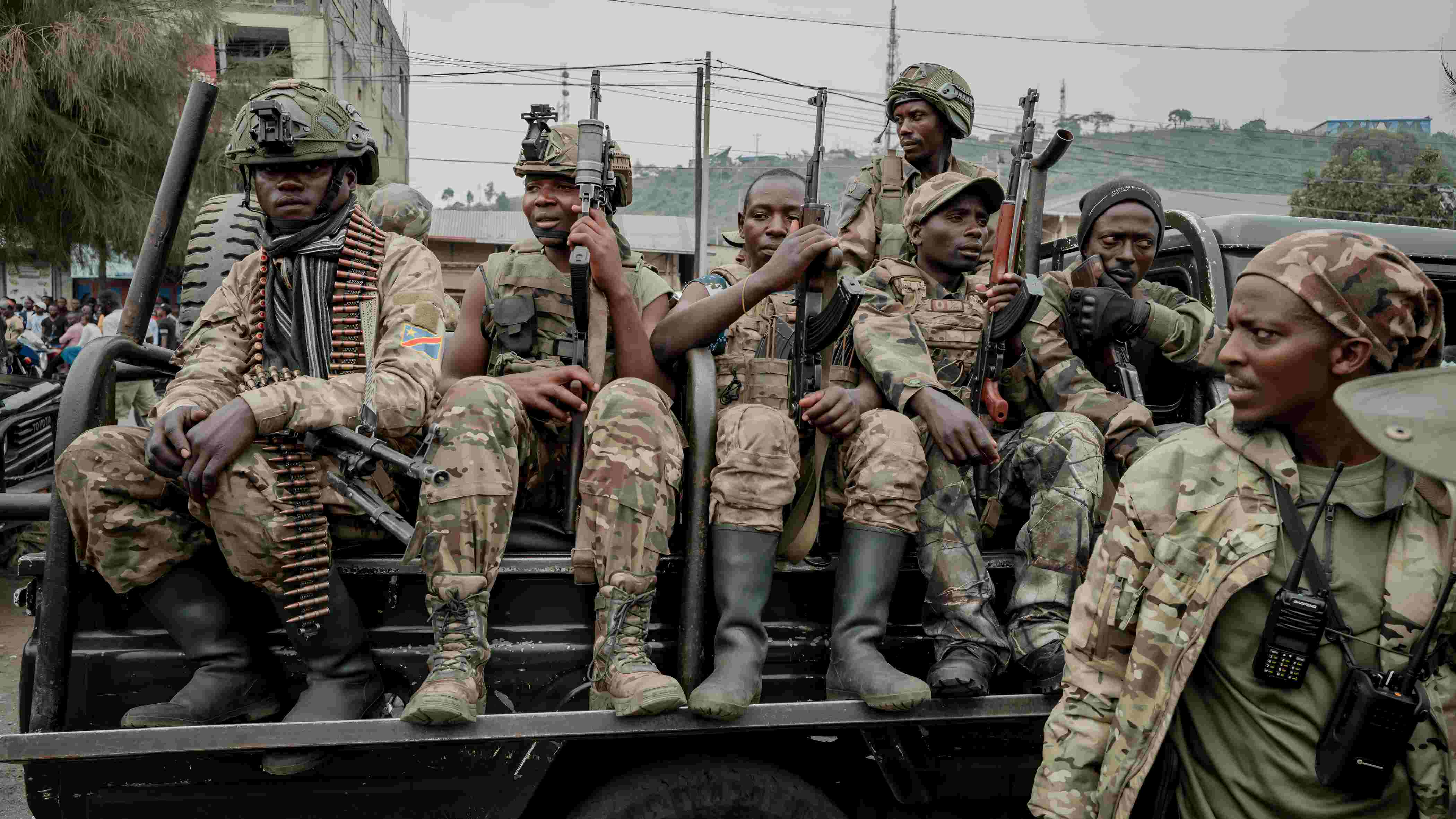
The Alliance Fleuve Congo (AFC/M23) has announced it will pull its forces out of Uvira in eastern Democratic Republic of Congo, describing the move as a step to strengthen trust and boost the ongoing Doha Peace Process.
The decision comes after reports of M23 defying aspects of the Washington peace agreement signed on December 4, 2025, with Rwanda accused of violations that cast doubt on the deal’s implementation, despite U.S. promises to enforce it.
In a statement issued on December 15, 2025, AFC/M23 said the withdrawal follows “significant progress” under the Doha talks, including the signing of the Doha Framework Agreement on November 15, 2025. The group emphasized that the pullout was intended “to give the Doha peace process the maximum chance to succeed in providing lasting solutions to the conflict.”
The alliance confirmed that the decision to withdraw from Uvira was made at the request of United States mediators working on the peace process. “AFC/M23 will unilaterally withdraw its forces from the city of Uvira as requested by the United States mediation,” the statement read in part.
While announcing the pullout, AFC/M23 warned of a possible security gap following their departure.
The group cited past instances where its trust-building gestures were allegedly used against it by opponents, accusing the Congolese army (FARDC), allied militia groups known as Wazalendo, and their partners of previously taking advantage of such moments to reclaim territory and target civilians viewed as supporting the alliance.
“Based on past experiences where FARDC, Wazalendo and their allies have sought to take advantage of AFC/M23’s trust-building measures,” the group said, “safeguards must be put in place to prevent reprisals against the local population.”
AFC/M23 called on the guarantors of the Doha Peace Process to ensure “adequate measures for the management of the city,” including demilitarization, protection of civilians and infrastructure, and effective monitoring of the ceasefire.
The group also recommended deploying “a neutral force” to oversee security and ensure that all parties comply with the agreements.
Beyond Uvira, the alliance addressed broader regional security concerns, particularly the presence of armed groups hostile to neighboring countries.
It warned that it would not allow areas under its control to be used for actions that could threaten relations between the Democratic Republic of Congo and Burundi.
“Concerning armed groups hostile to the Government or Burundi that remain active in the Democratic Republic of the Congo, the AFC/M23 reiterates that it will not allow such groups to use liberated areas as rear bases for any hostile acts,” the statement read.
The move comes as the international community continues efforts to reduce violence in eastern DRC, a region where years of conflict have displaced millions and created persistent instability.































Comments
Sign in with Google to comment, reply, and like comments.
Continue with Google