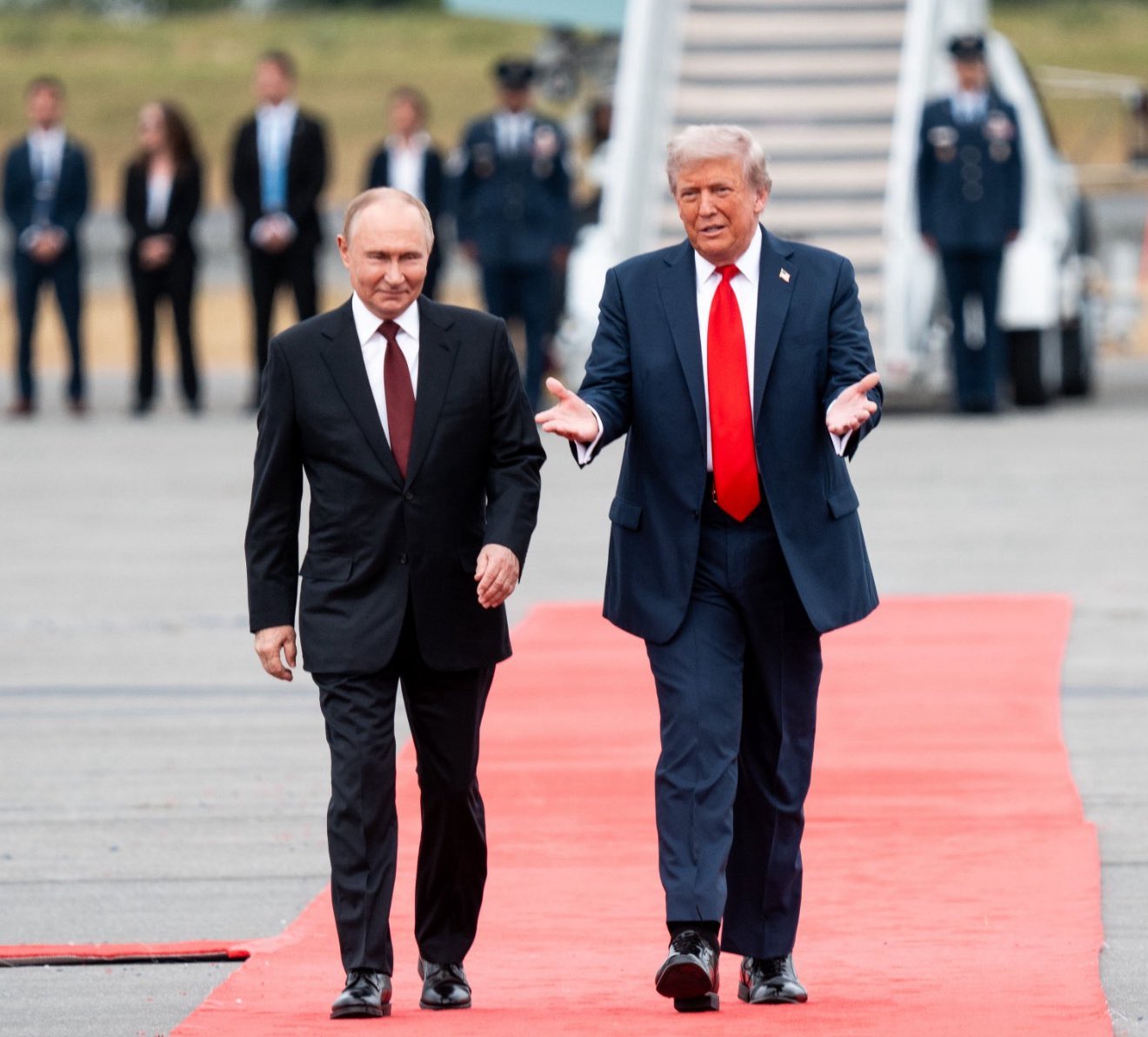
The United States has imposed new sanctions on Russia’s top oil producers, Rosneft and Lukoil, in a bid to compel Moscow to negotiate an end to the war in Ukraine.
The measures come as peace talks between President Donald Trump and Russian President Vladimir Putin appear to have stalled.
"Every time I speak to Vladimir, I have good conversations and then they don't go anywhere. They just don't go anywhere," Trump said after a meeting with Nato Secretary-General Mark Rutte, reflecting frustration over the lack of progress.
The sanctions were announced a day after Trump postponed a planned meeting with Putin in Budapest. Meanwhile, Russia launched intense attacks across Ukraine, resulting in at least seven deaths, including children.
US Treasury Secretary Scott Bessent said the sanctions are a direct response to "Putin's refusal to end this senseless war," noting that the oil giants provide critical funding for the Kremlin’s "war machine." He called for an immediate ceasefire, saying, "Now is the time to stop the killing and for an immediate ceasefire."
Trump, speaking alongside Rutte at the White House, criticized Putin’s commitment to peace and expressed hope that the sanctions would drive progress. "I just felt it was time. We waited a long time," he said, describing the sanctions as "tremendous" and suggesting they could be lifted if Russia halts the conflict.
Rutte supported the decision, saying, "You have to put pressure, and that is just what he did today," highlighting the need for decisive action against Moscow.
The two leaders had previously met in Alaska in August with hopes of ending the conflict, but differences over ceasefire terms and frontlines have now prevented a follow-up meeting. The UK also introduced sanctions on Rosneft and Lukoil last week.
"There is no place for Russian oil on global markets," UK Chancellor Rachel Reeves said, echoing the push to curb Moscow’s oil revenue. Russia’s embassy in London warned the sanctions could disrupt global fuel supply and increase costs, while potentially hindering peaceful negotiations.
Together, Rosneft and Lukoil produce around 3.1 million barrels of oil per day, with Rosneft alone accounting for almost half of Russia’s oil output. Oil and gas exports remain the backbone of Moscow’s economy, with key buyers including China, India, and Turkey. Trump has urged these nations to stop importing Russian oil to tighten pressure on the Kremlin.
The US sanctions received backing from UK Foreign Secretary Yvette Cooper, who called the action "strongly welcome." EU Commission President Ursula Von der Leyen also praised the move, linking it to broader EU measures including a ban on Russian liquefied natural gas.
Rutte discussed a 12-point plan with Trump, proposed by European NATO allies and Kyiv, which includes freezing current frontlines, returning deported children, arranging prisoner exchanges, providing a war recovery fund, and creating a clear path for Ukraine’s EU membership.
The plan also calls for increased military support for Kyiv and sustained economic pressure on Moscow.
Trump emphasized that a productive meeting with Putin in Budapest would require a halt to fighting along existing frontlines. He has consistently advocated for freezing the war where it stands. "Let it be cut the way it is," he said on Monday. "I said: cut and stop at the battle line. Go home. Stop fighting, stop killing people."
Russia has rejected this approach, with Kremlin spokesperson Dmitry Peskov reiterating the country’s stance that Ukrainian troops must leave the Donbas region.
On Wednesday, Trump also dismissed reports in the Wall Street Journal suggesting US approval for Ukrainian long-range missile strikes into Russia, calling it "fake news." Ukrainian President Volodymyr Zelensky has requested US Tomahawk missiles, hoping their potential use will push Moscow to negotiate.































Comments
Sign in with Google to comment, reply, and like comments.
Continue with Google