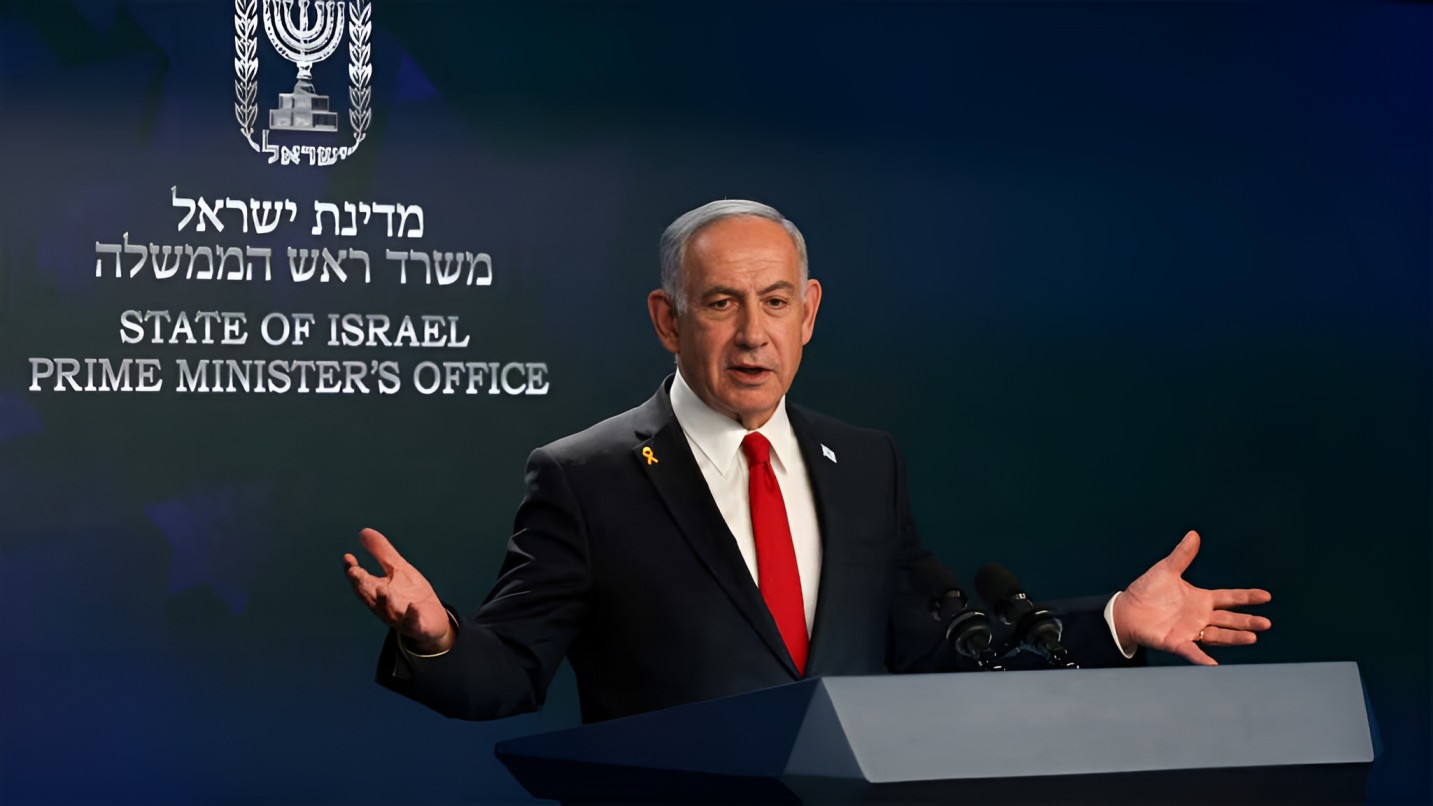
A long-running quest for international recognition took a major turn after Israel announced it now considers Somaliland an independent country, a move that has drawn sharp reactions across the Horn of Africa and the Middle East.
The decision positions Israel as the first nation to formally acknowledge the breakaway region, which has existed outside Somalia’s control for more than 30 years.
Prime Minister Benjamin Netanyahu said Israel planned to move swiftly to deepen engagement with Somaliland, focusing on cooperation in agriculture, health and technology. Somaliland’s president, Abdirahman Mohamed Abdullahi, welcomed the decision, calling it “a historic moment” for the region that declared independence in 1991 but has remained diplomatically isolated.
Supporters of Somaliland say the recognition could help unlock trade opportunities and improve access to global markets, while also strengthening its case for wider international acceptance.
Analysts believe Israel’s step may prompt debate among other countries that have previously avoided taking a clear position.
Somalia’s government, however, responded with strong opposition. Prime Minister Hamza Abdi Barre said Somalia “categorically and unequivocally rejected” Israel’s action, describing it as a deliberate challenge to the country’s sovereignty.
In a statement following Israel’s announcement, Abdullahi said Somaliland would join the Abraham Accords, describing the move as part of efforts to advance peace at both regional and global levels. He said Somaliland was committed to building partnerships, increasing shared prosperity and supporting stability across Africa and the Middle East.
Israel’s Foreign Minister Gideon Saar said the two sides had agreed to establish “full diplomatic ties, which will include the appointment of ambassadors and the opening of embassies”. He added, “I have instructed my ministry to act immediately to institutionalise ties between the two countries across a wide range of fields.”
The move was quickly condemned by Somalia, Egypt, Turkey and Djibouti. In a joint statement, the four countries said they affirmed their “total rejection” of Israel’s decision, warning that it could undermine regional stability and weaken Somalia’s state institutions.
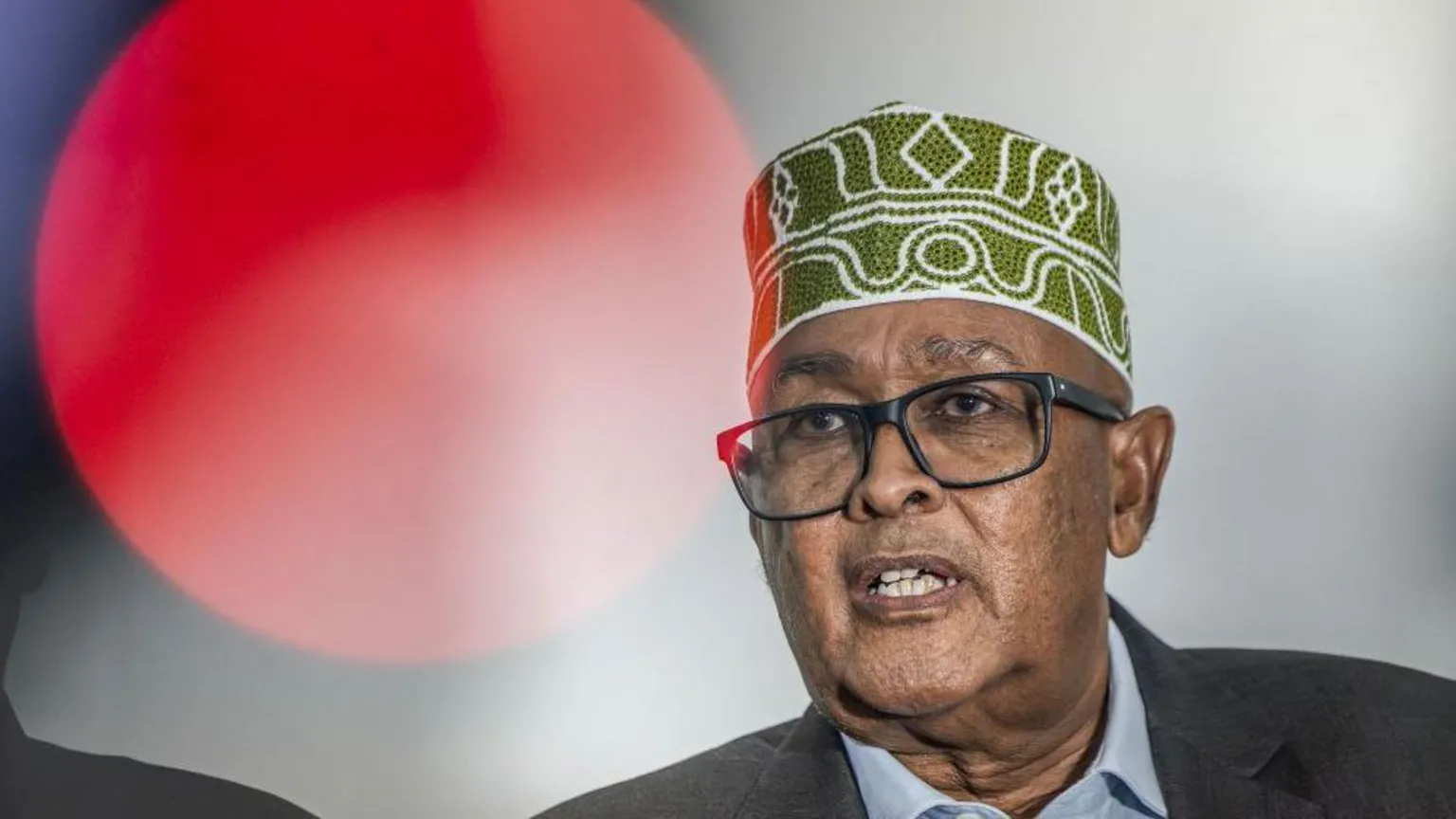 Somaliland's president Abdirahman Mohamed Abdullahi called the declaration "historic".PHOTO/GETTY IMAGES
Egypt’s foreign minister later held separate phone calls with counterparts in Somalia, Turkey and Djibouti to address Israel’s declaration. According to Egypt’s foreign ministry, the ministers reaffirmed their backing for Somalia’s unity, sovereignty and territorial integrity, while cautioning against unilateral actions that could create what they termed “parallel entities”.
They also warned that recognising parts of sovereign states as independent countries would set a dangerous example under international law and the United Nations Charter. The statement further noted their rejection of any plans to displace Palestinians outside their homeland.
Israel has worked in recent years to expand its diplomatic footprint in Africa and the Middle East, though ongoing conflicts, including the war in Gaza and tensions with Iran, have complicated those efforts.
In 2020, Israel reached a series of agreements known as the Abraham Accords, normalising relations with countries such as the United Arab Emirates and Morocco, with others joining later.
Located along the Gulf of Aden, Somaliland controls its own currency, passports and security forces. Despite its long-standing self-rule, it has remained outside the international system since breaking away after a conflict with the government of former leader General Siad Barre.
With a population approaching six million, Somaliland has recently been drawn into wider regional tensions involving Somalia, Ethiopia and Egypt.
Last year, an agreement allowing Ethiopia to lease part of Somaliland’s coastline for a port and military base triggered anger in Somalia and heightened diplomatic disputes.




























Comments
Sign in with Google to comment, reply, and like comments.
Continue with Google