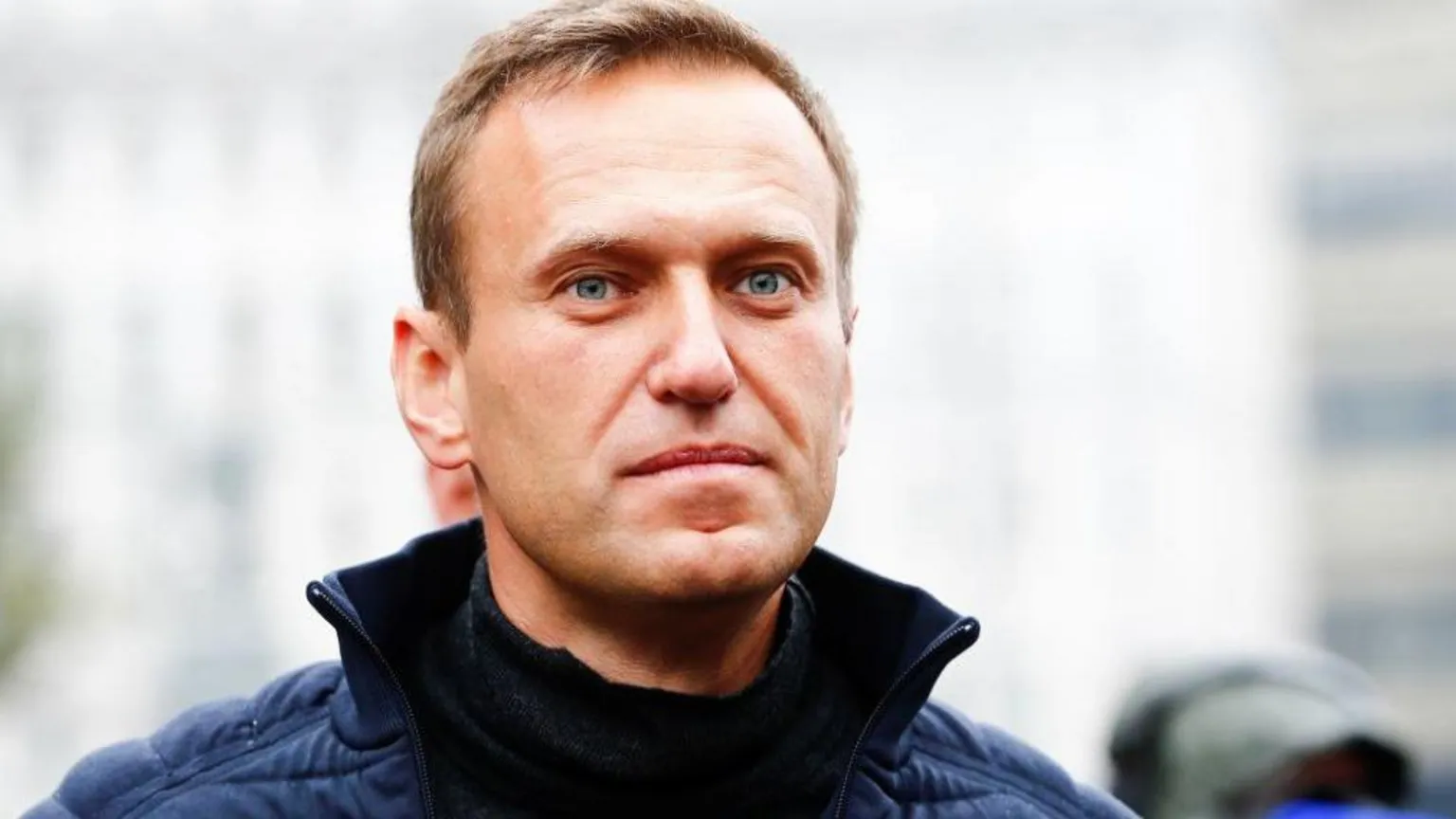
Two years after Alexei Navalny died in a Siberian prison, the United Kingdom and several European countries have accused Russia of orchestrating his killing using an extremely rare toxin derived from South American dart frogs.
Laboratory analysis of biological material from Navalny’s body reportedly identified the substance, prompting the UK and its allies to hold Moscow directly responsible.
Speaking at the Munich Security Conference, UK Foreign Secretary Yvette Cooper said the evidence clearly points to the Kremlin.
"only the Russian government had the means, motive and opportunity" to use the poison while Navalny was imprisoned in Russia, she stated.
Cooper also met with Navalny’s widow, Yulia Navalnaya, over the weekend and emphasized that the Russian state viewed her husband as a serious threat.
"Russia saw Navalny as a threat," Cooper said.
"By using this form of poison the Russian state demonstrated the despicable tools it has at its disposal and the overwhelming fear it has of political opposition," she added.
A joint declaration from the UK, Sweden, France, Germany and the Netherlands reinforced her comments. The statement said:
"Only the Russian state had the means, motive and opportunity to deploy this lethal toxin to target Navalny during his imprisonment in a Russian penal colony in Siberia, and we hold it responsible for his death.
"Epibatidine can be found naturally in dart frogs in the wild in South America. Dart frogs in captivity do not produce this toxin and it is not found naturally in Russia.
"There is no innocent explanation for its presence in Navalny's body."
The UK government has informed the Organisation on the Prohibition of Chemical Weapons of Russia’s alleged violation of the Chemical Weapons Convention.
Prime Minister Keir Starmer praised Navalny’s bravery and warned of ongoing threats from Moscow.
"his determination to expose the truth has left an enduring legacy," Starmer said.
"I am doing whatever it takes to defend our people, our values and our way of life from the threat of Russia and Putin's murderous intent," he added.
French Foreign Minister Jean-Noël Barrot echoed the sentiment, saying France "pays tribute" to Navalny, suggesting he was "killed for his fight in favour of a free and democratic Russia."
Navalny, Russia’s most prominent opposition leader and anti-corruption campaigner, died suddenly on 16 February 2024 at age 47. He had survived a 2020 poisoning with the Novichok nerve agent, received treatment in Germany, and was arrested upon returning to Russia.
The toxin identified in the latest investigation, epibatidine, is extremely rare. Initially derived from poison dart frogs in northern South America, it has been researched for medical use but deemed too hazardous.
Toxicologist Jill Johnson told BBC Russian that the substance is "200 times more potent than morphine" and works on the central nervous system, potentially causing "muscle twitching and paralysis, seizures, slow heart rate, respiratory failure and finally death." She said its natural occurrence is highly restricted, depending on the frog’s specific diet, and virtually impossible to replicate elsewhere.
Before this formal announcement, Navalnaya had repeatedly said her husband was poisoned in prison. In September 2025, she revealed that analysis of smuggled biological samples in two countries confirmed he had been "murdered." She did not disclose the details of the poison or laboratories but challenged them to make their results public.
Reacting to the announcement, Navalnaya said:
"I was certain from the first day that my husband had been poisoned, but now there is proof.
"I am grateful to the European states for the meticulous work they carried out over two years and for uncovering the truth."
Russia dismissed the accusations. Tass quoted Kremlin spokesperson Maria Zakharova as calling the allegations "an information campaign aimed at distracting attention from the West's pressing problems."
President Vladimir Putin, who rarely mentioned Navalny during his life, briefly addressed his death, saying the passing of any person is "always a sad event."
According to Russian authorities, Navalny had been serving a three-year prison sentence on charges widely seen as fabricated. He reportedly collapsed after a short walk at the Siberian penal colony and never regained consciousness.