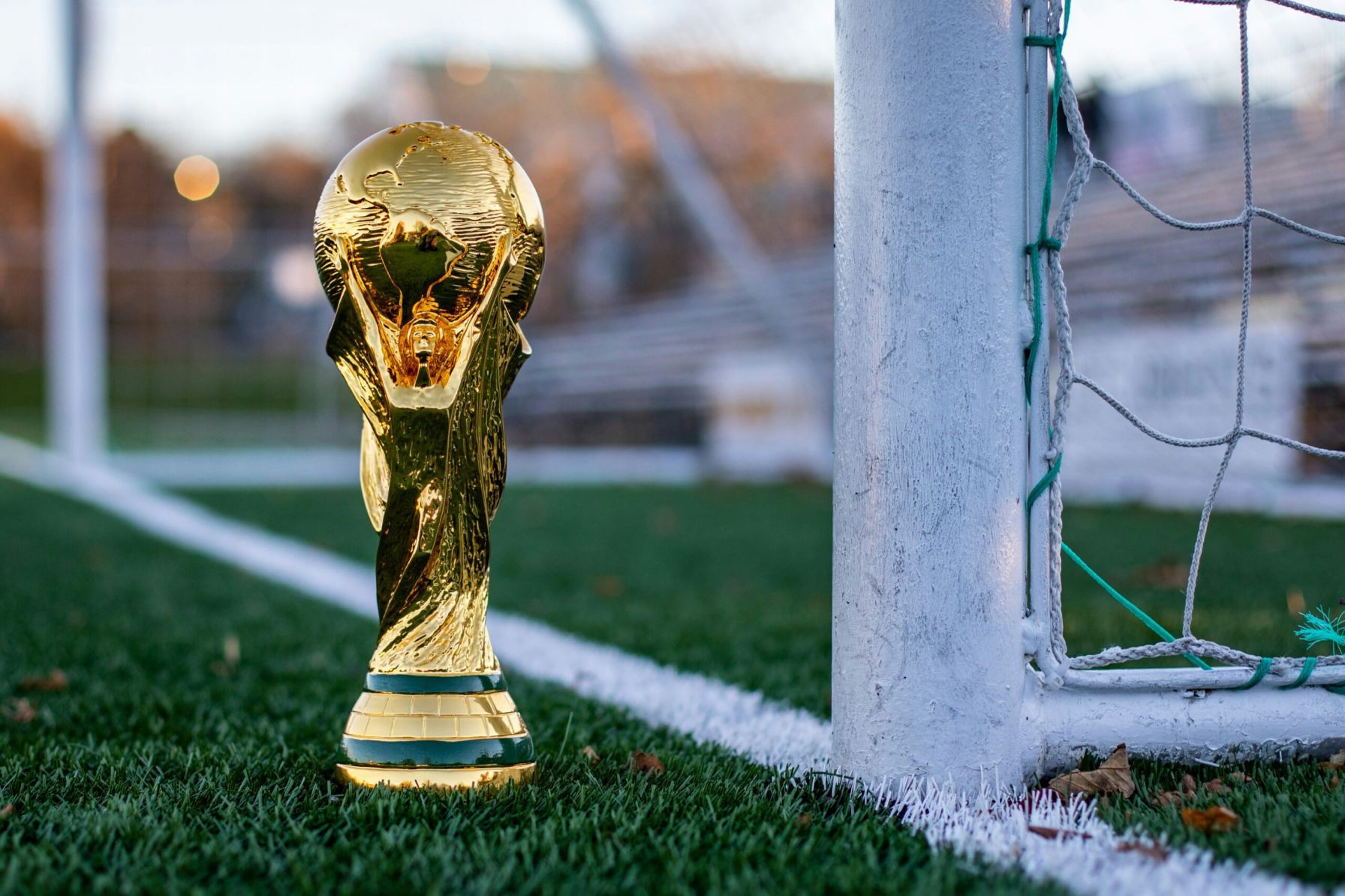
The 2026 World Cup is shaping up to be a carnival of national pride and first-time milestones — a 48-team spectacle staged across the United States, Canada and Mexico from June 11 to July 19 that promises more drama, more goals and more nations than any tournament before it.
The hosts and the expanded field
This edition is the biggest World Cup yet, expanded to 48 teams — 16 more than Qatar 2022 — with the three hosts qualifying automatically. Confederations around the world are racing through their qualifying campaigns to fill the remaining slots, with UEFA guaranteed 16 places and other confederations allocated multiple berths, including CAF (nine), AFC (eight), CONMEBOL (minimum six), CONCACAF (minimum six) and OFC (one guaranteed for the first time). Two final places will be decided in an inter‑confederation playoff tournament in March 2026 featuring six teams.
Who’s already booked their spot
Europe: England topped Group K and secured their place early, while Scotland dramatically sealed qualification with a stoppage‑time turnaround against Denmark — their first World Cup appearance since 1998. Heavyweights such as France, Portugal, Germany, Spain, the Netherlands and Croatia have also clinched spots after decisive wins in their groups. Norway’s 4-1 victory over Italy booked their return to major-tournament football for the first time since 1998.
South America: Argentina, the reigning world champions, wrapped up qualification as one of the top six in CONMEBOL, joined by Brazil, Colombia, Uruguay and Paraguay, with Bolivia taking a play-off berth after an upset win over Brazil in their final qualifier.
Africa: Algeria, Cape Verde, Ivory Coast, Egypt, Ghana, Morocco, Senegal, South Africa and Tunisia topped their groups to claim automatic places; the four best runners‑up — Cameroon, DR Congo, Gabon and Nigeria — will contest the final CAF spot in a play-off next month.
Asia: Japan were first to confirm their place; Australia, Iran, Jordan, Korea Republic and Uzbekistan have also qualified, with Qatar and Saudi Arabia advancing through later rounds. Iraq and the UAE will battle for the final Asian slot in the fifth round.
CONCACAF: Hosts Canada, Mexico and the USA are already in, and the region could see up to eight teams in the finals for the first time. Suriname, Jamaica and Honduras are currently leading their groups as qualifying nears its final stage.
Oceania: New Zealand sealed their spot by beating New Caledonia in the Oceania final; New Caledonia will still get a shot via the inter‑confederation play-off.
The draw: when and where the groups are made
The World Cup draw is set for December 5 in Washington. The event will feature FIFA President Gianni Infantino and US President Donald Trump at the John F. Kennedy Center, where the group stage fixtures will be decided from 12pm local time (5pm UK time). Organisers have billed the tournament’s 104 matches as a gargantuan sporting festival, and the draw will be the moment the map of next summer’s drama is drawn.
Key dates and the tournament roadmap
FIFA has confirmed the tournament window and the knockout schedule. The opening match will take place in Mexico City and the final will be staged at MetLife Stadium in the New York/New Jersey area. The competition timeline is:
Group stage: June 11–27
Round of 32: June 28–July 3
Round of 16: July 4–7
Quarter‑finals: July 9–11
Semi‑finals: July 14–15
Third‑place play‑off: July 18
Final: July 19.
What to watch next
With more nations than ever, expect fresh storylines: underdog runs from smaller federations, historic firsts for tiny nations, and a collision of continental styles on a continental scale. The December draw will crystallise rivalries and dream fixtures, but qualifying continues to churn out surprises — and more teams will stamp their passports to a summer of global football unlike any other.



























Comments
Sign in with Google to comment, reply, and like comments.
Continue with Google