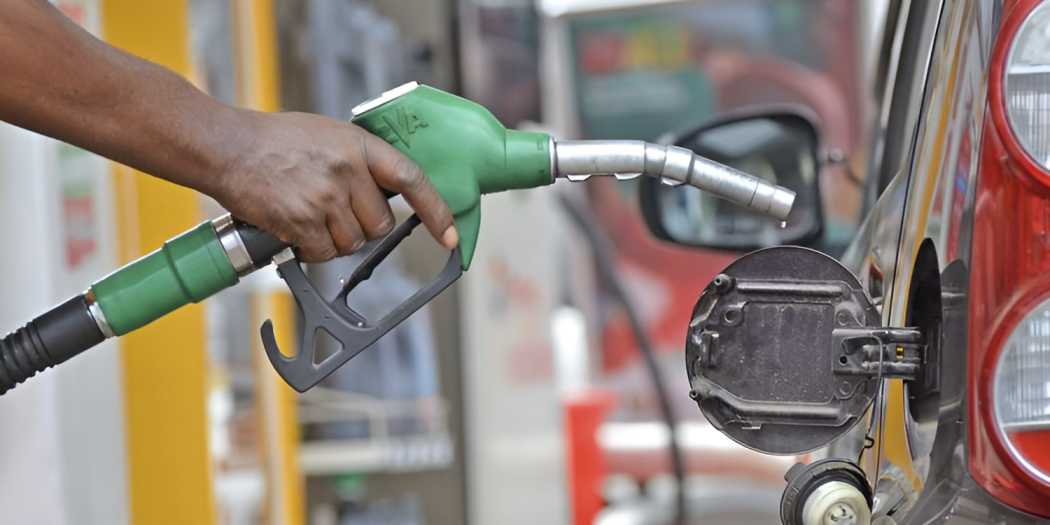
The government applied the highest diesel and kerosene subsidies in eight months to keep fuel prices unchanged for the monthly pricing cycle ending on January 14, 2026, cushioning households and businesses from higher costs and easing pressure on inflation.
A subsidy of Sh5.67 per litre on diesel and Sh9.10 per litre on kerosene allowed pump prices in Nairobi to remain steady at Sh171.47 and Sh154.78 respectively. Petrol prices also remained unchanged despite a fall in shipment costs for the product.
The last time consumers benefited from a higher subsidy was during the pricing cycle that ended on May 14, 2025, when diesel and kerosene were supported by Sh6.09 and Sh6.18 per litre respectively.
Fuel prices play a central role in the cost of goods and services across the economy, meaning any increase at the pump would have pushed up transport, production, and household expenses.
With shipment costs for diesel and kerosene rising by up to five percent last month, the government increased subsidies to shield consumers and prevent further strain on the cost of living.
Data shows that landed costs for diesel rose by 3.02 percent to $654.24, equivalent to Sh84,926.89 per cubic metre, while kerosene recorded a sharper increase of 5.52 percent to Sh86,589.76 per cubic metre for the same volume. In contrast, the landed cost of petrol dropped by 4.25 percent to $592.84, or Sh76,956.56 per cubic metre, creating room for a possible reduction in pump prices.
However, petrol users did not enjoy the expected relief. Instead, the government applied cross-subsidisation, using petrol to support diesel and kerosene prices. As a result, motorists were denied a potential price cut of at least Sh2.78 per litre during the current cycle. Under this arrangement, petrol consumers are paying Sh2.78 per litre to help offset the higher costs of diesel and kerosene.
Keeping fuel prices unchanged is expected to help contain inflation and offer relief to households during the Christmas and New Year period. Inflation eased slightly to 4.5 percent last month from 4.6 percent in October, after rising steadily from 3.8 percent in May this year.
Several sectors, including agriculture, transport, and power generation, rely heavily on fuel, and any rise in prices is often passed on to consumers through higher charges for goods and services. The decision to hold prices steady therefore helps reduce pressure across the economy.
President William Ruto had previously said fuel subsidies strained public finances and caused artificial shortages. However, he later reversed that position and reinstated the subsidies at higher levels than those applied by the previous administration under retired President Uhuru Kenyatta.































Comments
Sign in with Google to comment, reply, and like comments.
Continue with Google