Motorists escape fresh fuel hikes as EPRA maintains pump prices
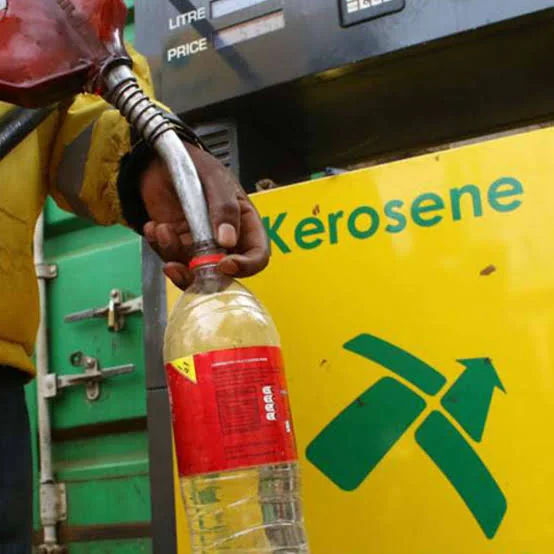
In the review announced on Saturday, November 14, Super Petrol will continue selling at Sh226.96 per litre, Diesel at Sh227.76 and Kerosene at Sh219.87.
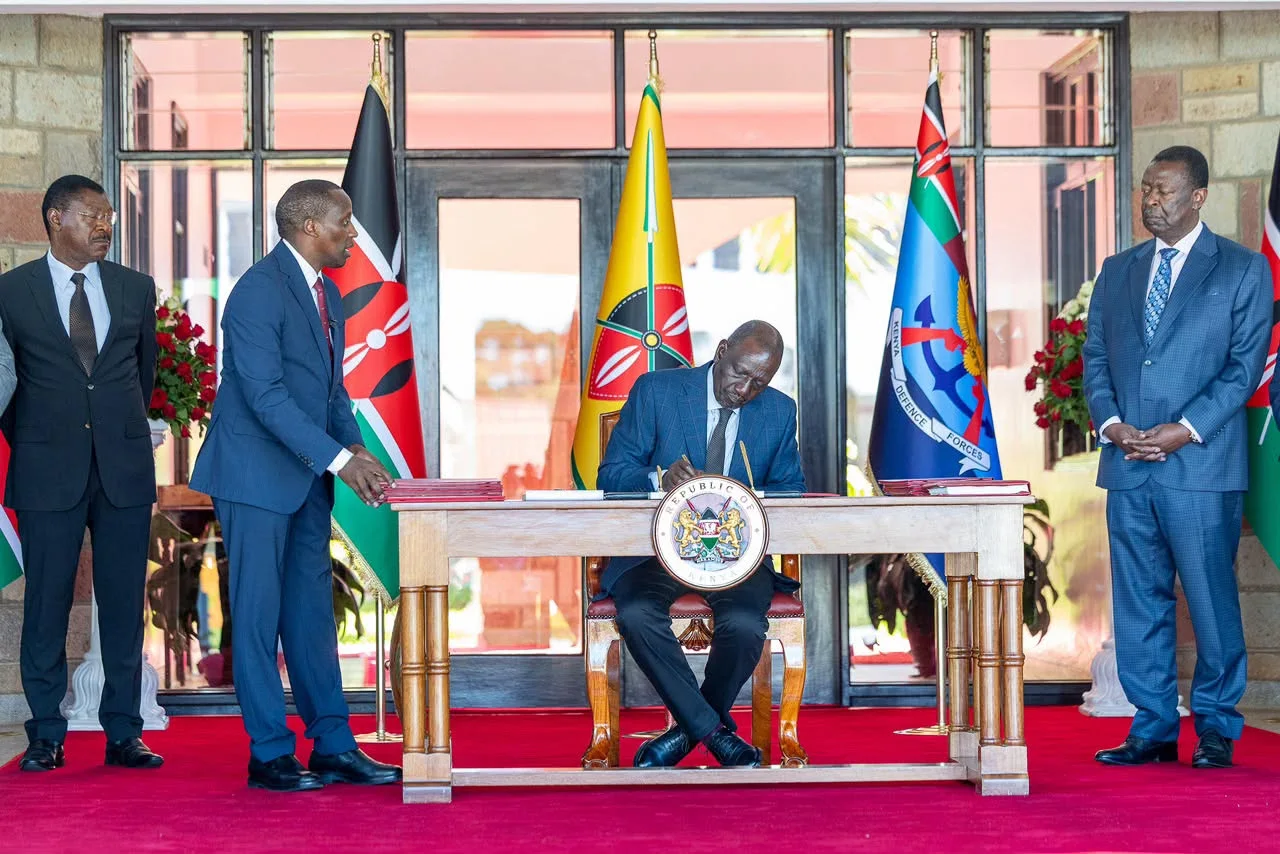
The two bills were presented to the President for assent at State Lodge, Eldoret on Friday, after being passed by the National Assembly.
The Motorists Association of Kenya has challenged EPRA’s latest fuel prices, questioned the sharp rise in kerosene and called for an audit of the G to G petroleum import deal.
The association wants authorities to provide details of all intermediaries involved in the G-to-G arrangement, including the commissions they received, contracts entered into and the people or entities that benefited from the system.
The Energy and Petroleum Regulatory Authority (Epra) has maintained the price of kerosene at Sh191.38 per litre in Nairobi for the monthly pricing period ending October 14, even as its landed cost rose by nearly 10 per cent last month.
In Nairobi, a litre of Super Petrol will continue to retail at Sh214.03 cents, while Diesel will remain at Sh217.86 cents per litre.
Kenya Airways said the price of jet fuel climbed by 66 per cent during the period, with the increase largely linked to tensions in the Middle East.
The Market Perceptions Survey found that businesses remained broadly optimistic about the country’s economic prospects over the next 12 months, with lower lending rates, recovering tourism and construction, stronger private-sector credit and macroeconomic stability expected to support growth
The latest findings by Tifa Research show that the pressure is being felt across household spending, with transport, food, fuel and education emerging among the main areas driving financial strain.
This means in Nairobi, Super Petrol will retail at Sh214.03, Diesel at Sh217.86 and Kerosene at Sh191.38 per litre, effective midnight.
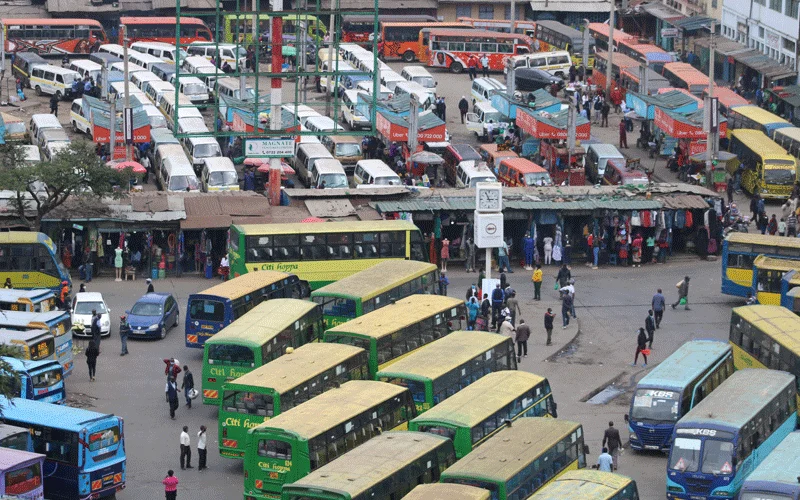
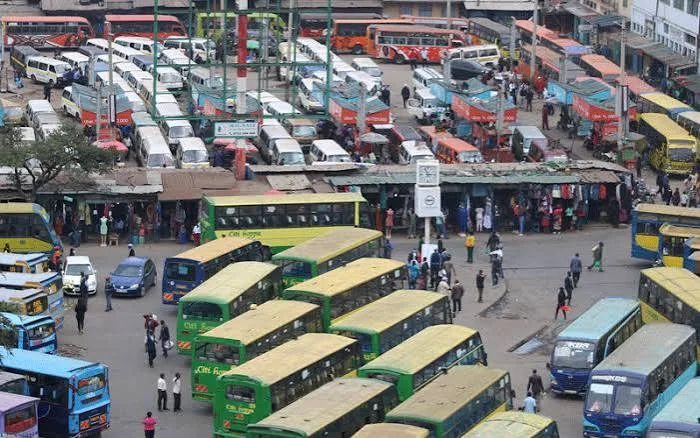
Among the changes, operators would be required to display fare information where passengers can easily see it as part of efforts to stop sudden fare increases.
Speaking on Radio Generation on Tuesday, Njogu said the sharp increase in the number of petrol stations over the past decade has transformed the country's retail fuel sector, forcing both established brands and new entrants to compete more aggressively on price.
In a statement released on Wednesday, the motorists' lobby described EPRA's decision as "an economic betrayal of Kenyans", arguing that it was the second consecutive monthly review in which motorists had been denied the full benefit of favourable international oil prices.
Under the new review, motorists in Nairobi will continue paying Sh214.03 per litre for Super Petrol, Sh222.86 for Diesel and Sh191.38 for Kerosene.
In a statement released on Tuesday, the regulator announced that the maximum retail prices for Super Petrol, Diesel and Kerosene will remain unchanged and will take effect from midnight, remaining in force until August 14, 2026.
Speaking on Tuesday, Wandayi said Kenya's government-to-government (G2G) fuel import arrangement had shielded the country from supply disruptions and rising freight costs triggered by escalating military tensions around the Strait of Hormuz, one of the world's busiest oil shipping routes.
Food and non-alcoholic beverages recorded an annual inflation rate of 8.6 per cent, while transport costs increased by 16.1 per cent. Housing, water, electricity, gas and other fuels registered a 3.4 per cent rise over the same period.
Speaking on Radio Generation on Thursday, Khafafa said profitability among African airlines has become increasingly difficult due to rising operating costs and global pressures, particularly escalating fuel prices linked to geopolitical instability.
In its latest monthly review released on Sunday, the Energy and Petroleum Regulatory Authority (EPRA) said the revised prices were arrived at in accordance with Section 101(y) of the Petroleum Act, 2019 and Legal Notice No. 192 of 2022.
The Central Bank of Kenya said rising global inflation risks, driven mainly by the conflict in the Middle East, continue to influence domestic price trends and justify keeping the rate unchanged.
The survey indicates that concerns over taxes are increasingly intertwined with wider cost-of-living pressures
TIFA notes that although more people are beginning to report better conditions, the gains remain limited and have not yet changed the wider experience of most families.
Most Kenyans surveyed said the increase in fuel costs would have a direct effect on their daily expenses. Food and transport emerged as the biggest concerns.
The Ministry of Energy stated that fuel imports are arriving on schedule, storage levels remain stable, and distribution through the country’s supply chain is continuing without interruption.
Speaking on Radio Generation on Monday, Oyoo said Kenyans were yet to receive a clear explanation on how fuel prices are determined and how each levy contributes to the final retail cost.
Speaking on Friday during the launch of the Cherangany Ecosystem Restoration Programme at Tebe Grounds, Kapyego Ward, Elgeyo-Marakwet County, he said Kenya had planted 1.7 billion trees and spent billions stabilising fuel prices, while urging citizens to protect both the economy and environment.
Karakacha said the transport sector was satisfied with the outcome of the engagement and would continue working closely with the government as efforts to address challenges facing operators move forward.
The President said the government was accelerating plans to reduce the country's dependence on imported fuel while cushioning consumers from the effects of one of the most severe disruptions in the global oil market in recent years.
Malala also pointed to what he described as a wide gap between the landed cost of fuel and retail prices, saying taxation was driving up costs at the pump.
Kenya holds 23-day diesel, 28-day petrol stock, Kinyua says amid supply fears