Motorists escape fresh fuel hikes as EPRA maintains pump prices
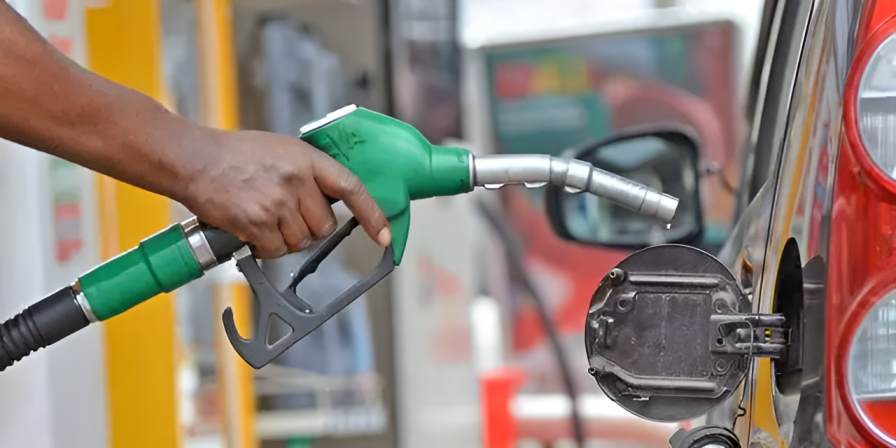
In the review announced on Saturday, November 14, Super Petrol will continue selling at Sh226.96 per litre, Diesel at Sh227.76 and Kerosene at Sh219.87.
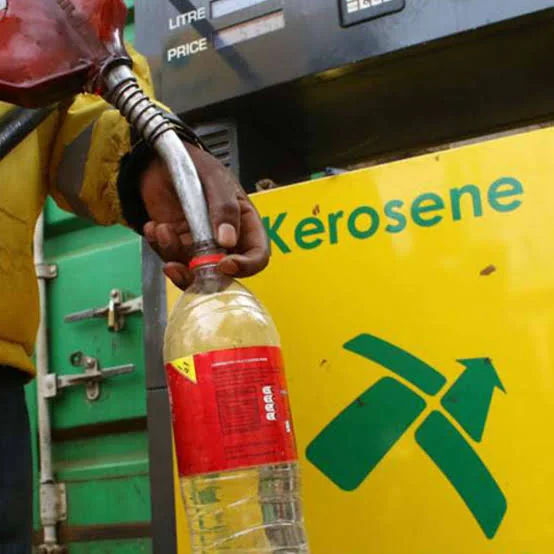
The Energy and Petroleum Regulatory Authority (Epra) has maintained the price of kerosene at Sh191.38 per litre in Nairobi for the monthly pricing period ending October 14, even as its landed cost rose by nearly 10 per cent last month.
In Nairobi, a litre of Super Petrol will continue to retail at Sh214.03 cents, while Diesel will remain at Sh217.86 cents per litre.
This means in Nairobi, Super Petrol will retail at Sh214.03, Diesel at Sh217.86 and Kerosene at Sh191.38 per litre, effective midnight.
Under the new review, motorists in Nairobi will continue paying Sh214.03 per litre for Super Petrol, Sh222.86 for Diesel and Sh191.38 for Kerosene.
In a statement released on Tuesday, the regulator announced that the maximum retail prices for Super Petrol, Diesel and Kerosene will remain unchanged and will take effect from midnight, remaining in force until August 14, 2026.
In its latest monthly review released on Sunday, the Energy and Petroleum Regulatory Authority (EPRA) said the revised prices were arrived at in accordance with Section 101(y) of the Petroleum Act, 2019 and Legal Notice No. 192 of 2022.
The rising cost of diesel has emerged as a major challenge for telecom firms that rely on fuel-powered generators to keep network infrastructure running, particularly in remote areas where access to electricity remains limited.
The President said the government was accelerating plans to reduce the country's dependence on imported fuel while cushioning consumers from the effects of one of the most severe disruptions in the global oil market in recent years.
Kenya holds 23-day diesel, 28-day petrol stock, Kinyua says amid supply fears
Speaking after a high-level meeting with public transport operators on Tuesday, Wandayi said Sh2.7 billion was spent in a single move to reduce diesel prices by Sh10 per litre, describing it as part of the wider cushioning plan.
According to Kindiki, Value Added Tax on petroleum products has been reduced from 16% as part of efforts to ease the burden on households and businesses facing rising living costs.
Kiharu MP Ndindi Nyoro proposes a four to six-month fuel relief package to cut 8% VAT on petroleum, reduce the Road Maintenance Levy, and inject Sh5 billion from the Fuel Stabilisation Fund to subsidise diesel prices.
Motorists in Nairobi will now pay Sh232.86 per litre for diesel while kerosene will retail at Sh191.38 per litre. Super petrol will remain unchanged at Sh214.25 per litre.
TAccording to the ministry, the average landed cost of imported Super Petrol increased by 10 percent between March and April 2026, while Diesel recorded a rise of more than 20 percent over the same period. Kerosene posted a smaller increase during the review window
Karua called on citizens to organise and demand accountability, arguing that Kenyans should not continue carrying the burden of systems they did not create, and urging collective action for better leadership and public service delivery.
The new prices will apply from January 15 to February 14, 2026, following a review conducted in line with the law.
Fuel prices play a central role in the cost of goods and services across the economy, meaning any increase at the pump would have pushed up transport, production, and household expenses. With shipment costs for diesel and kerosene rising by up to five percent last month, the government increased subsidies to shield consumers and prevent further strain on the cost of living.
Between April and June 2025, EPRA conducted 5,966 tests at 1,331 fuel sites to ensure compliance with petroleum quality standards.
The hike has kept pump prices high, forcing the State to occasionally cushion consumers by subsidising fuel.