Kenya is about 70 to 80 percent into building an education system meant to support productivity and economic growth, Kenya Revenue Authority chairman Ndiritu Muriithi has said, outlining gains made over the past two decades and the gaps that still remain.
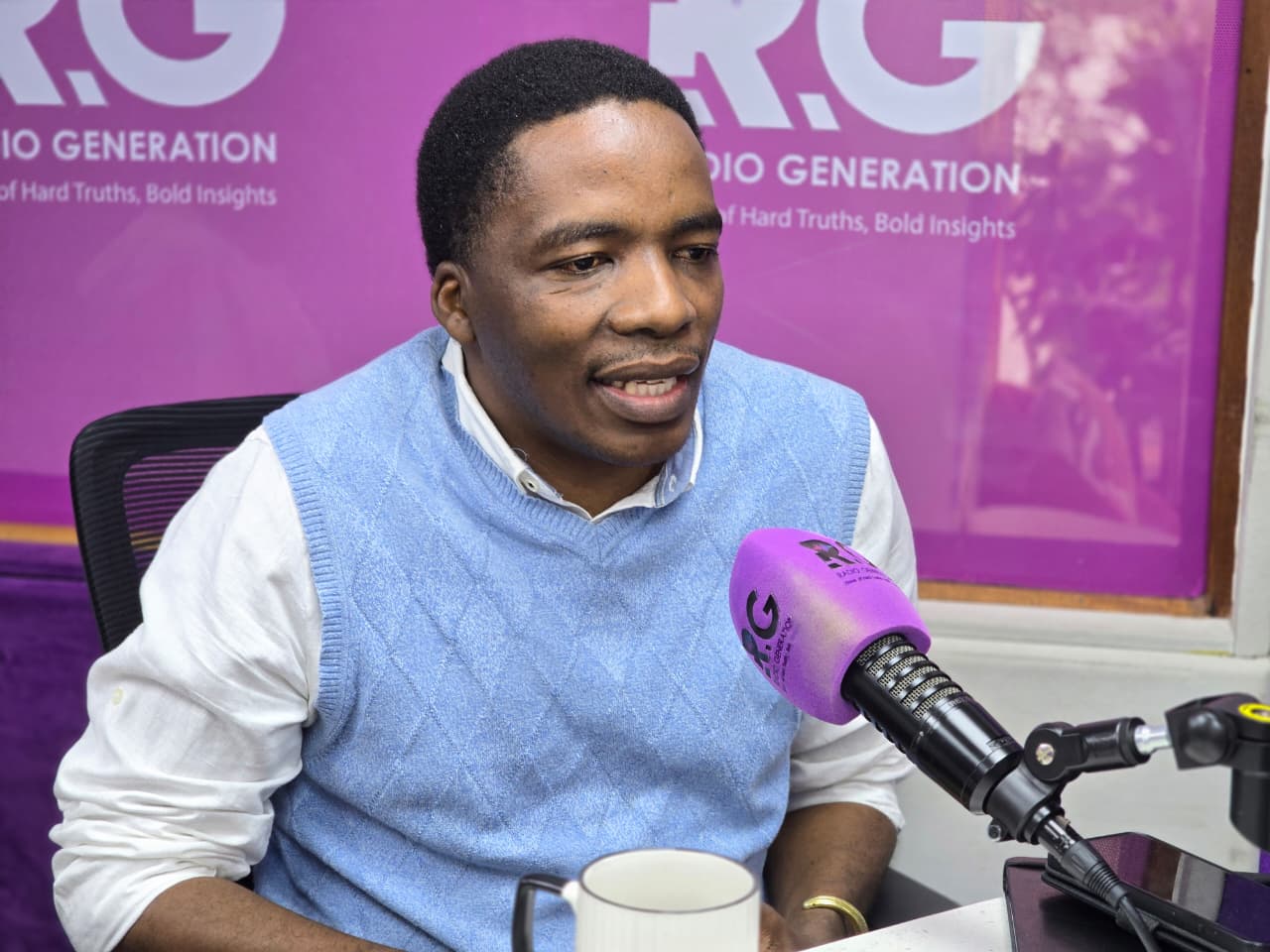
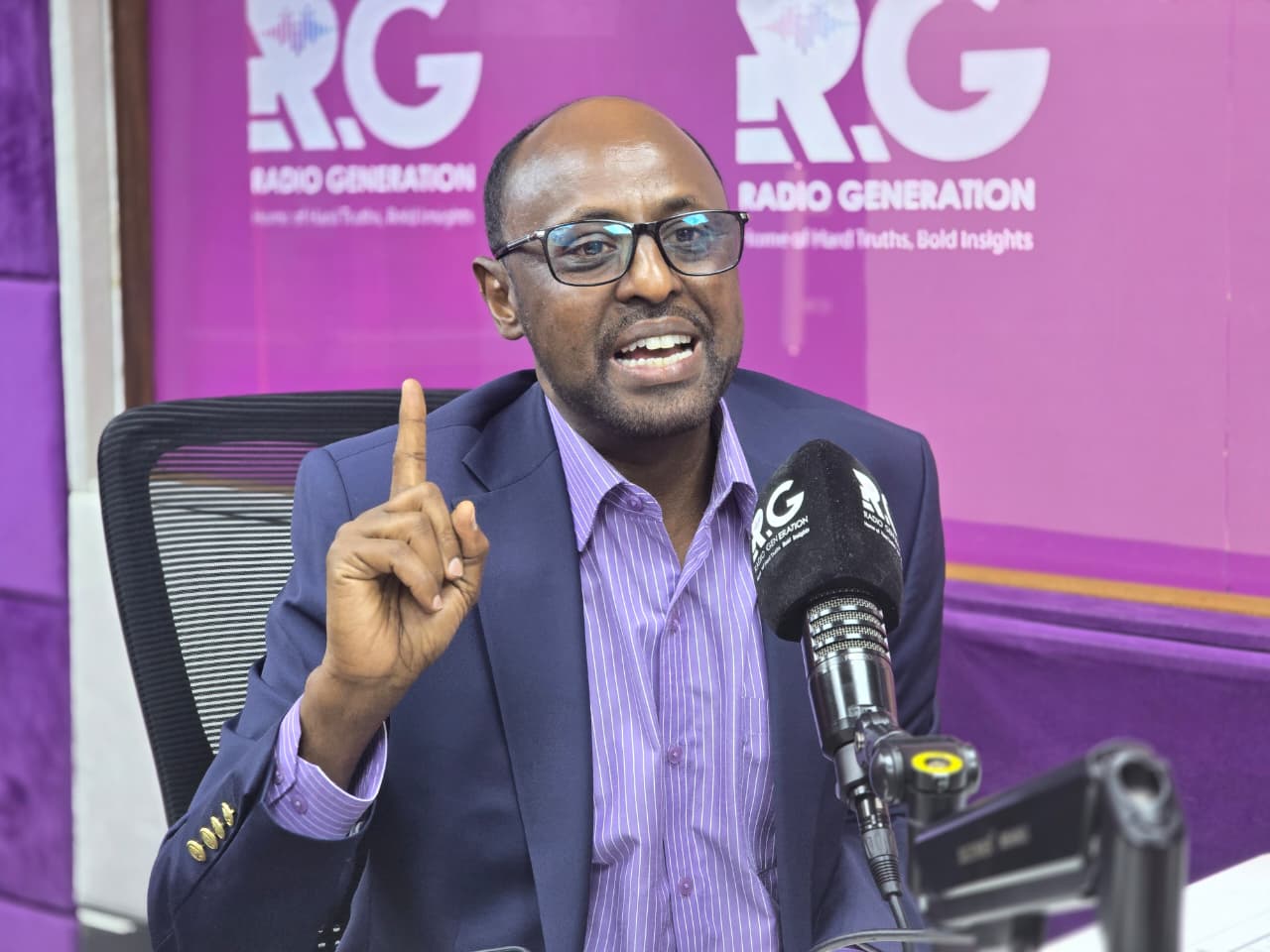
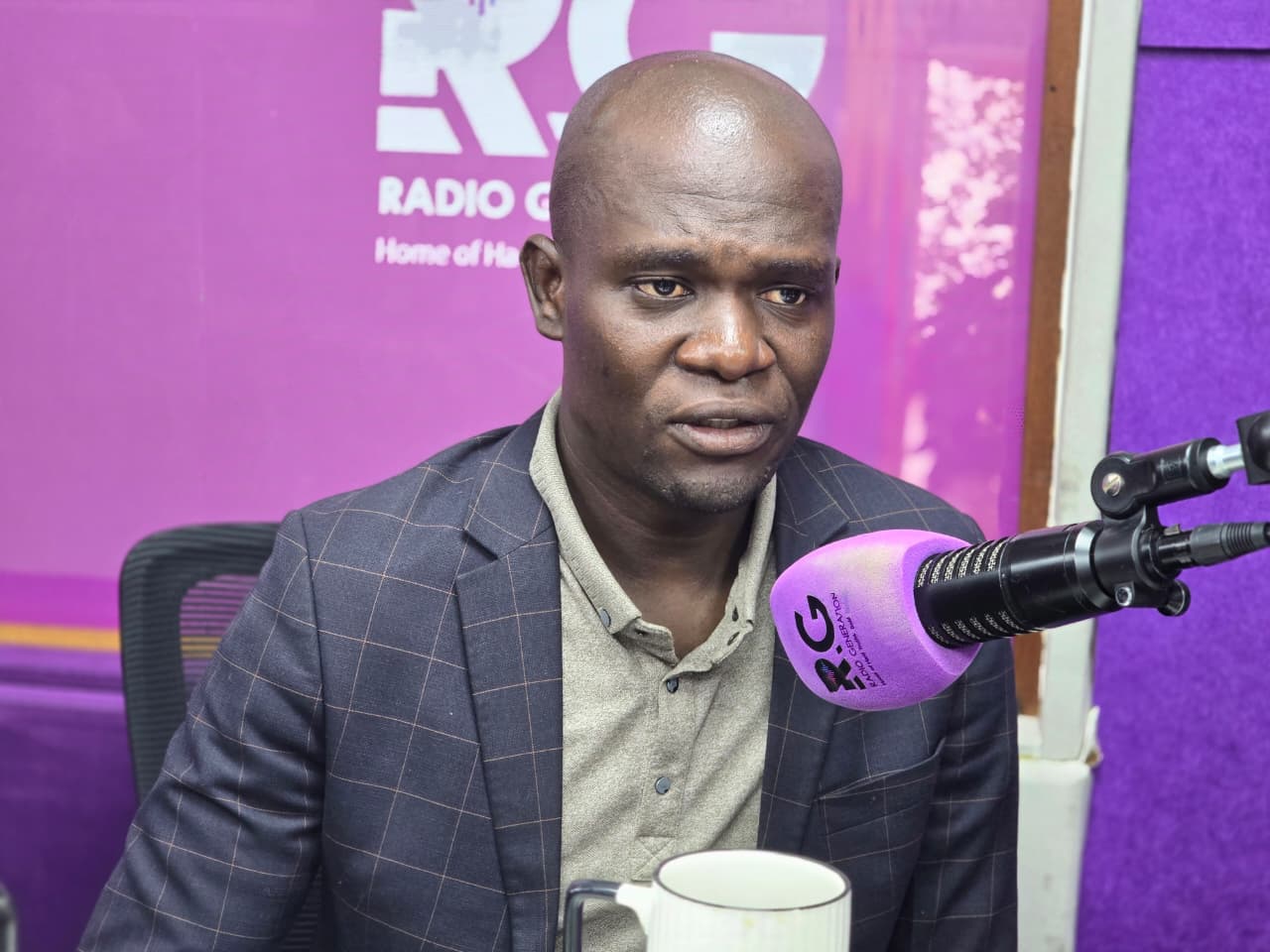
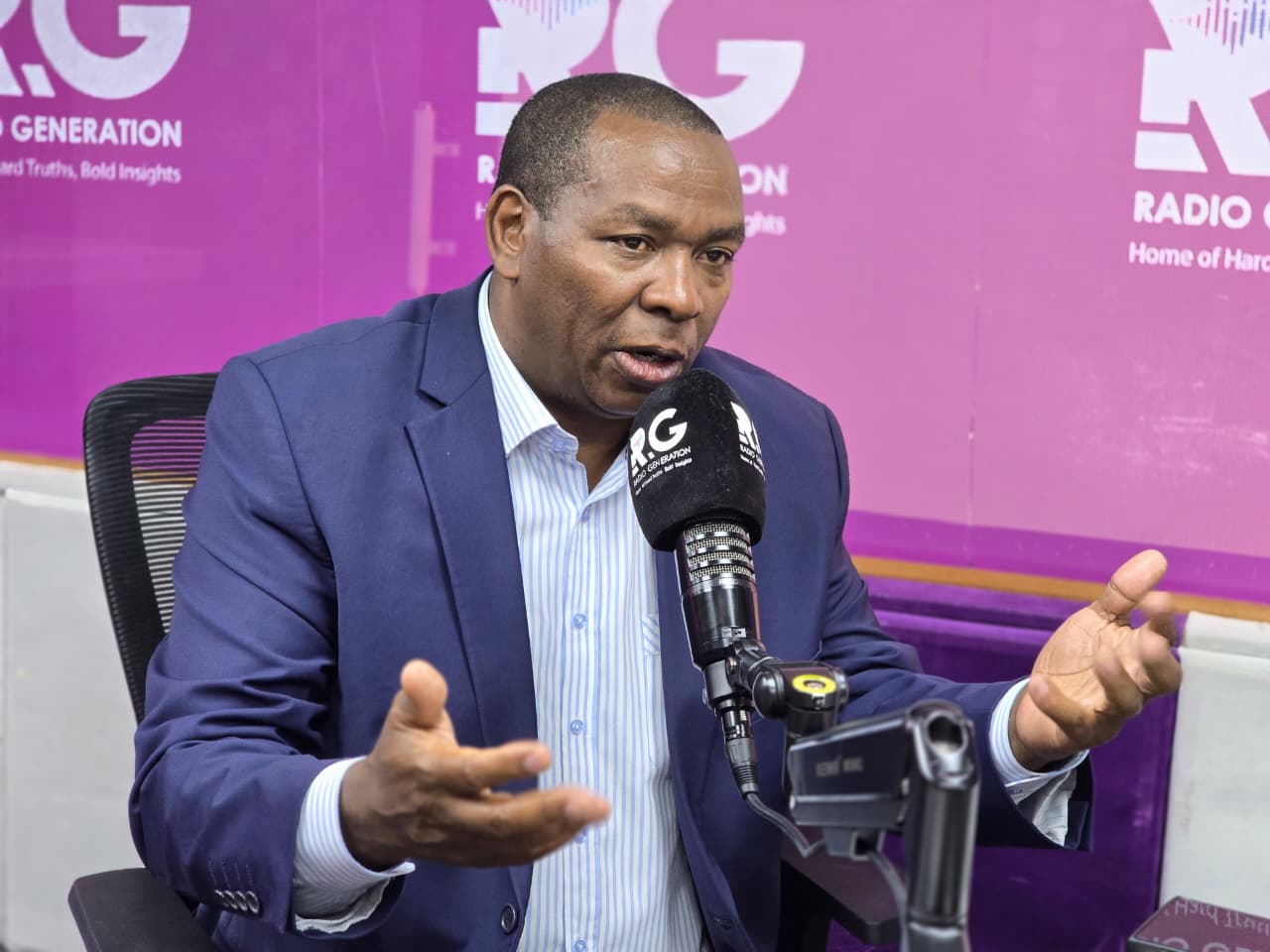
Speaking during an interview with Radio Generation, Muriithi said countries that have achieved high-income status have done so by investing heavily in education, because economic growth depends on how productive people are.
“But all countries that have attained high income status have invested very heavily in education,” he said on Tuesday.
“Growing the economy is about productivity, and generally, the more education people have, the more likely for them to be productive.”
The former Laikipia Governor said literacy is a key measure of progress, noting that countries with strong economies often achieve close to full literacy.
He added that literacy is not only about reading and writing, but also about deeper skills that allow people to perform effectively at work.
Muriithi said another important marker is transition into higher education, explaining that many high-income economies record rates of over 70 per cent moving into tertiary education.
According to him, this supports productivity at the individual level and strengthens the wider economy.
“Although Kenya is not yet there, in my view,” Muriithi said, the country has continued to rethink its education system every five to ten years.
These reviews, he explained, usually focus first on access and then on whether the education being offered is appropriate.
The KRA Chair further said debates around competency-based education are part of this process, as the country looks at what young people should be taught to help them become productive.
He described the approach as a work in progress but said Kenya has shown more effort than many countries.
“I think it is work in progress, but certainly, Kenya has done better than most countries in thinking through education,” he said.
Muriithi traced the current state of the education system back to free primary education introduced during the Kibaki administration.
He pointed out that the policy brought a large number of children into school who had not been attending at all.
He further explained that after access to primary education improved, attention shifted to factors that blocked learners from moving to secondary school.
At the time, he said, debates focused on costs and other barriers that limited transition beyond primary education.
The Chairman said further changes followed under the Uhuru administration, including the removal of exam fees, as part of efforts to make secondary education affordable and improve completion rates.
Muriithi said Kenya also pushed to expand higher education and skills training across the country. He explained that the goal has been for every county to have a university, every constituency to host a technical training institute, and every ward to have a vocational training centre.
He said the country is about 70 to 80 per cent toward achieving this goal. While not all counties have universities, he said most do, with only a few still lacking one, and some counties hosting several institutions.
On technical training, Muriithi pointed out that about 200 to 220 of the 290 constituencies now have technical training institutes. He added that some of these institutes are well equipped, noting that around 30 have advanced machining tools that meet global standards.
“These are computerised lathe machines,” he said, explaining that they allow for precision work needed in modern manufacturing.
Muriithi said Kenya’s education system has expanded steadily from primary school to vocational training, showing clear progress over the past two decades. However, he said continued focus is needed on skills, transition, and outcomes to ensure education fully supports productivity and long-term economic growth.