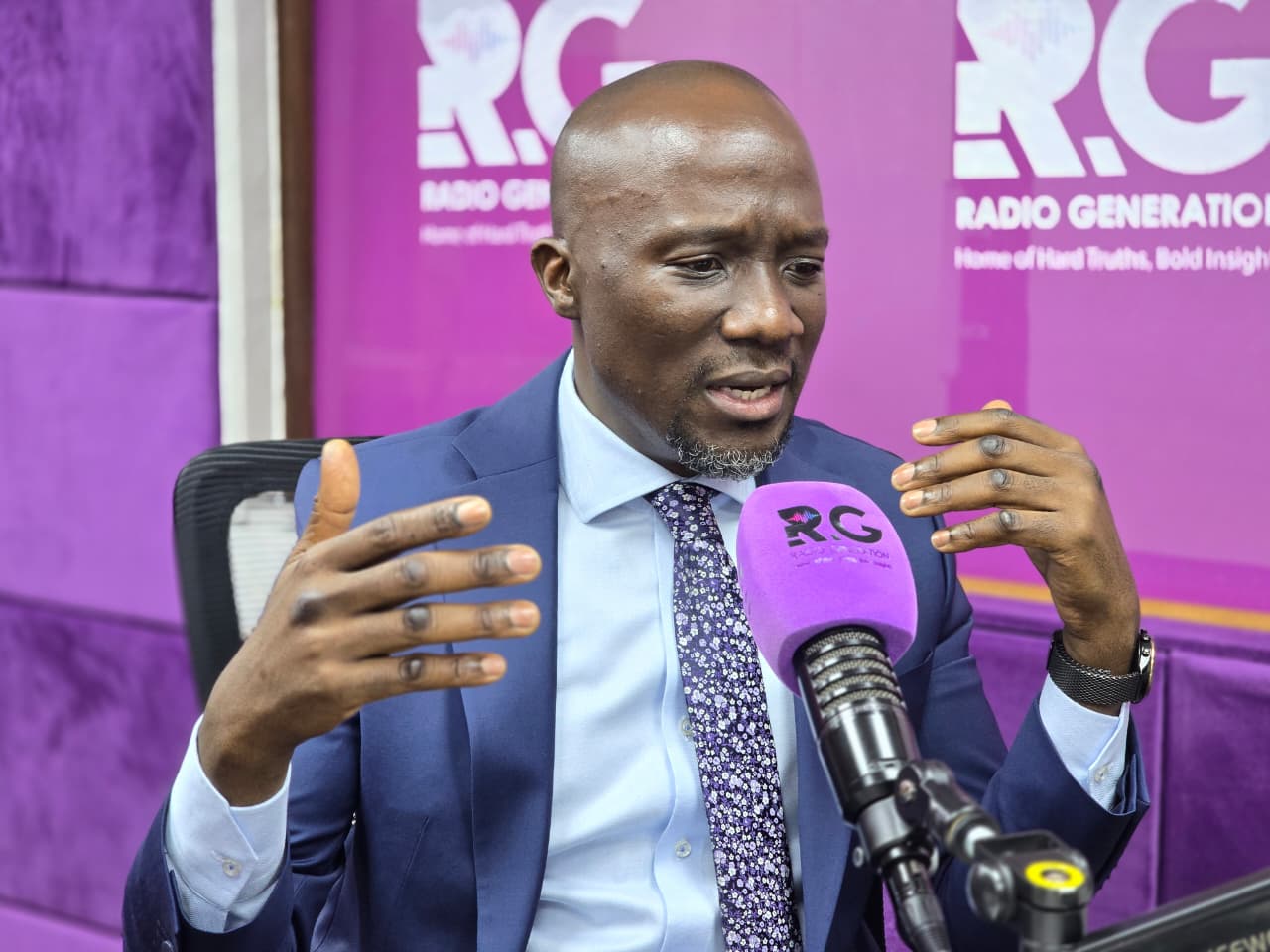
Dennis Onsarigo, former press secretary for Raila Odinga’s 2022 presidential campaign, has shed light on his private discussions with the late opposition leader regarding the broad-based government and the 2027 elections.
Onsarigo said much of what he knew remained personal, stressing that any public statement had to be cleared with Baba ( Raila).
“I don't want to say much because people will ask when did Baba tell you this? So we have to run away from that, that, because my relationship with mze is if I had to tell the media something, that I’d tell him, I’m planning to go and say this, and he’ll say, but he’s not here,” Onsarigo explained, emphasizing the confidential nature of his conversations with Odinga.
During an interview with Radio Generation, the former press secretary described Raila Odinga as a leader who had matured over time.
Reflecting on the 2017 and 2022 elections, Onsarigo recalled Odinga’s consistent concern for national stability.
“In 2017, we were opposed to Bahanshi, between him and the president, but he sat us in a room and said, Listen, this election has been taken away from us, but we have a country, and we need a place to step on so we can have a conversation about this country,” he said.
Two years after a disputed presidential election nearly pushed Kenya into crisis, Kenya regained a sense of stability and steady growth.
A landmark handshake in March 2018 between former President Uhuru Kenyatta and his long-time rival, Raila Odinga, ushered in a new era of political cooperation among the nation’s elite.
This approach eased tensions between Kenya’s most influential groups and helped revive business confidence and investment across the economy.
Going further, Onsarigo noted that since then, Raila’s political focus had shifted toward peace, dialogue, and his community ( Luo). “This community has gone through a lot over the years… I think he also got to a point and said, What can I give back to my people, or to the political basis that have supported me over time?” he said.
On the late Raila’s plans for 2027, Onsarigo dismissed speculation about another presidential bid.
“People were saying there was a plan to run in 2027. No, I don’t think he was planning to run. I think he was planning to support a side that wanted to take this country to another level,” he said.
He added that a coalition between UDA and ODM remained possible in 2027 to continue national progress.
President William Ruto and the late Raila formalized a memorandum of understanding in March 2024 at Nairobi’s Kenyatta International Convention Centre.
The pact, establishing a broad-based government, outlined cooperation between Kenya’s two largest parties to tackle issues such as debt, corruption, and national unrest.
Ruto’s government had faced a crisis following youth-led protests against new taxes in 2024, which claimed at least 60 lives, prompting the collaboration with Odinga and inclusion of several opposition members in government roles.
Post Raila’s death, his allies are sharply divided over whether to support President Ruto’s administration unconditionally or to link backing to a set of political demands ahead of the 2027 general election.
One faction within ODM argues that the party has been "orphaned" and should fully cooperate and unconditionally back the President to safeguard development gains in ODM strongholds.
Another group, however, insists that any support must come with clear political guarantees, including key government positions and protection of ODM’s political identity.
Leaders aligned with acting party leader Oburu Oginga favor structured cooperation, warning, “blind allegiance could erode ODM’s bargaining power.”
Oburu emphasizes that political parties must “secure power, not surrender it.”
ODM’s national executive committee has endorsed Raila’s position that the party’s current deal with Ruto expires in 2027.
Speaking in a local TV interview last week, Oburu hinted that ODM will only support Ruto’s 2027 reelection bid if the Orange party is assured of at least the deputy president slot.
“If we have to go for a lower position, it must not be lower than number two in any formation. That is my take. We should not take less than that,” the Siaya senator said.
To strengthen their bargaining power, Oburu called for a united ODM.
“Nobody will respect you or negotiate with you if you are a weak party. Our emphasis is on strengthening our party, ODM, so that we can negotiate for the top position in the land,” he added.



























Comments
Sign in with Google to comment, reply, and like comments.
Continue with Google