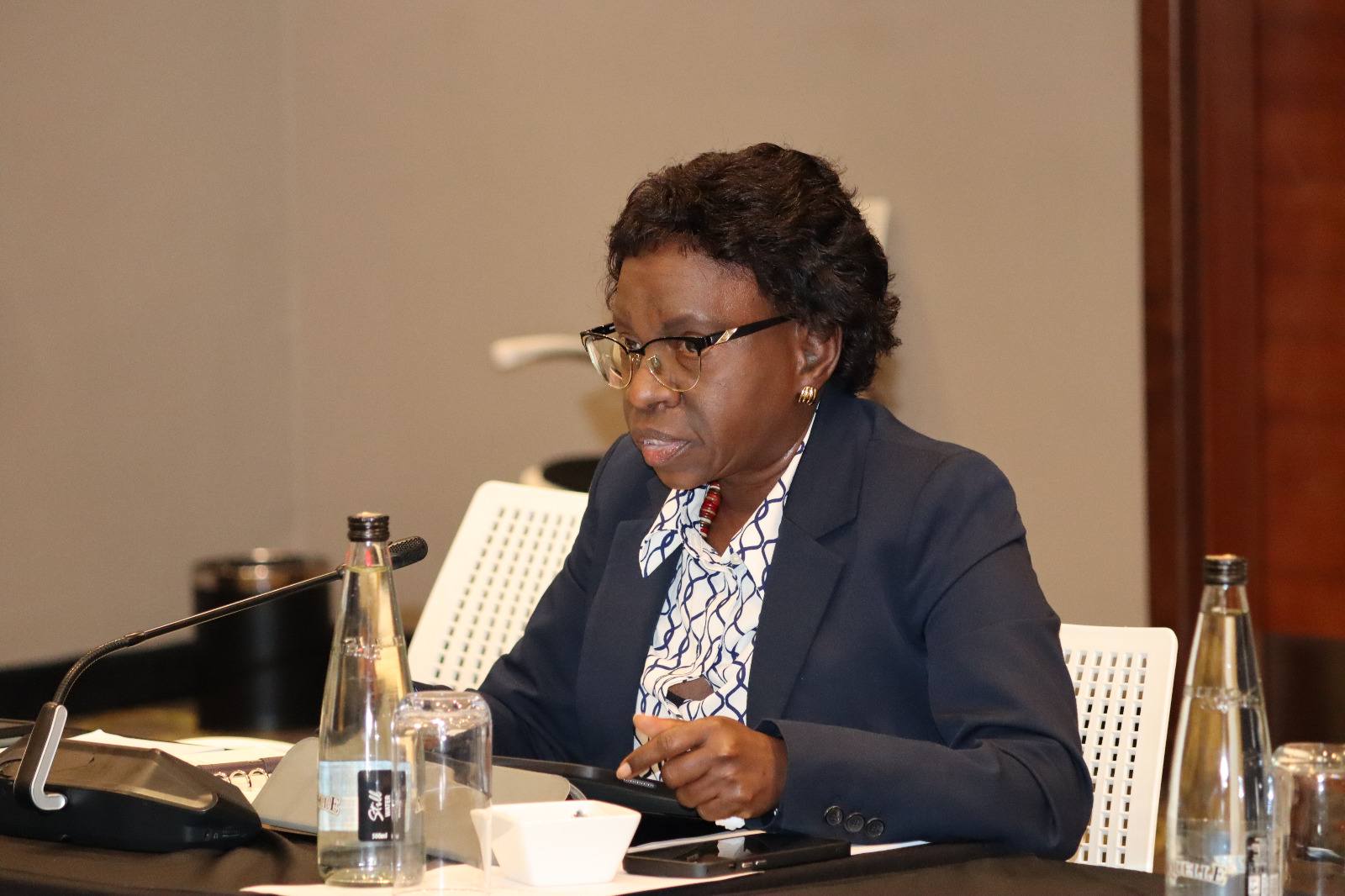
The management of a Sh18.9 million government clean cooking jiko programme has come under scrutiny after the Auditor General questioned the methods used to distribute the stoves.
Nancy Gathungu’s audit highlights that six women MPs were tasked with distributing the jikos without clear explanations or documented criteria.
The review of the Petroleum Development Levy Fund (PDLF) accounts for the 2023/24 financial year shows that 5,500 energy-saving jikos were purchased to support low-income households and reduce deforestation.
Yet, the report points out that only the Women Members of Parliament from Nyeri, Laikipia, Nakuru, Uasin Gishu, Bomet, and Kitui counties were selected to hand out 2,000 of these stoves, and no reasons were provided for their choice.
“The management did not justify reasons for using selected MPs for the distribution of the jikos and the criteria to be used by the MPs to identify beneficiaries in their respective areas of representation,” the audit notes.
Gathungu added that this lack of clarity makes it impossible to confirm whether the money spent achieved its intended value.
“In the circumstances, value for money incurred in the purchase of energy-saving jikos amounting to Sh18,899,000 for distribution to households could not be confirmed,” the report says.
The audit further reveals major gaps in tracking the jikos after purchase. Out of 3,500 stoves bought during the year, only 660 were verified as delivered to households in Nyeri, Kirinyaga East, Kirinyaga West, Nyahururu Sub-County, and Mwea Sub-County.
The remaining 2,840 units, valued at Sh9.8 million, were unaccounted for.
Launched under former President Uhuru Kenyatta, the clean cooking jiko programme aims to expand access to energy-efficient cooking solutions and support Kenya’s target of universal clean cooking by 2028 under the Sustainable Development Goals.
The initiative aligns with global and national plans, including Sustainable Energy for All and Kenya’s Nationally Determined Contributions, which promote cleaner household energy.
The programme responds to the heavy use of firewood and charcoal, which remain the primary cooking fuels in about 68 per cent of rural homes. Despite funding from the PDLF, the audit found that no preparatory studies were conducted to assess indoor air quality or health risks associated with household smoke.
“No evidence was provided to indicate that prerequisite studies were conducted on indoor air quality to measure carbon dioxide, carbon monoxide, and other gases in households,” the report states.
Gathungu concluded that the audit exposed serious weaknesses in planning, monitoring, and accountability in a programme meant to improve household energy safety and sustainability.































Comments
Sign in with Google to comment, reply, and like comments.
Continue with Google