Explainer: How Kenya keeps the lights on amid growing demand
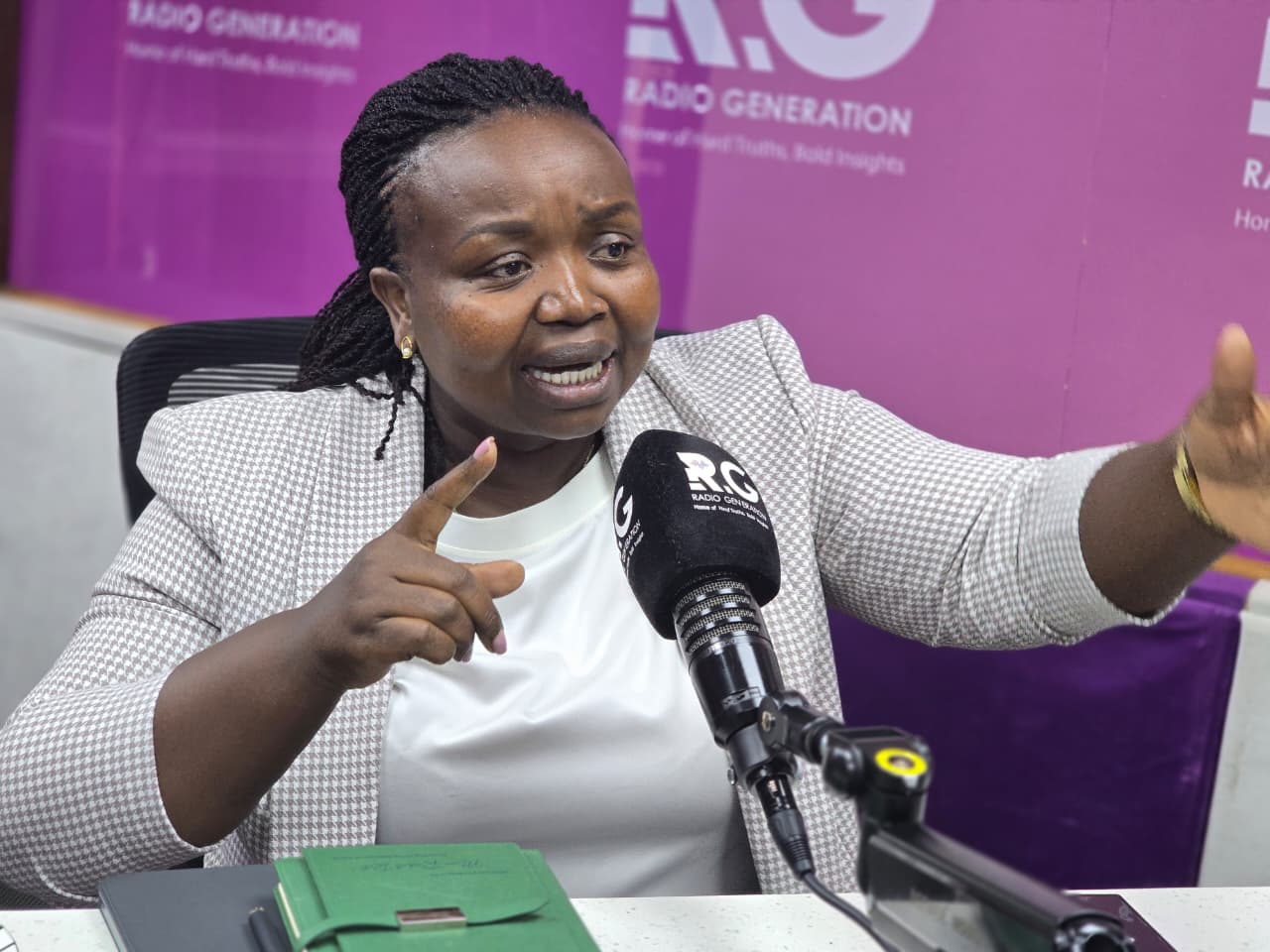
Veska Kangogo, Advisor on Strategy and Execution in the Executive Office of the President and former KPLC board member, explained to Radio Generation that maintaining reliable power requires constant monitoring and balancing of multiple energy sources.
Kenyans often experience peak electricity demand in the evening, when households are cooking, charging devices, and watching TV.
Veska Kangogo, Advisor on Strategy and Execution in the Executive Office of the President and former KPLC board member, explained to Radio Generation that maintaining reliable power requires constant monitoring and balancing of multiple energy sources.
“The demand goes up. Then, after a certain period of time, the demand goes down. Now it depends on what we call installed capacity,” she said on Wednesday highlighting Kenya’s 3800-megawatt generation capacity.
Geothermal power provides the main supply, with hydro contributing based on rainfall levels.
“The first base, or the first input, is geothermal power. The second input is hydro. But you remember, hydro depends also on the rain and the amount of rainfall that we experience over time,” Kangogo noted.
Thermal and wind energy, generated from diesel or heavy oil, stabilize the grid during fluctuations. Solar power is intermittent, providing energy only during sunlight hours unless storage solutions are in place.
As pointed out by Kangogo, load shedding is sometimes necessary to manage sudden drops in supply or protect equipment.
“If there is a sudden drop in supply, you might need to switch off some stations because you have to continue maintaining your system. Otherwise, it can actually crash. And if it crashes, then we don’t have power,” Kangogo explained.
The strategy ensures essential services like hospitals and security installations remain powered while non-critical areas may experience temporary reductions.
Significant investments by the government have improved electricity reliability in regions that previously suffered frequent outages.
“People from Kisumu, from Kericho, Muhoroni, Busia, they used to have daily blackouts. Now, we are able to shorten the distance that power travels from Ol Karia. We step it down in Lessos, we take it back to the people from Muhoroni and take it to the people in Busia,” Kangogo said.
Additionally, manufacturers are encouraged to run operations during off-peak hours to take advantage of lower electricity rates.
“If you produce between 10 o’clock and 3 a,m you pay half the rate,” she said, allowing industries to optimize costs while maintaining grid stability. The approach demonstrates a combination of technology, planning, and policy that ensures Kenya’s electricity supply meets growing demand without compromising quality.




Comments
Sign in with Google to comment, reply, and like comments.
Continue with Google