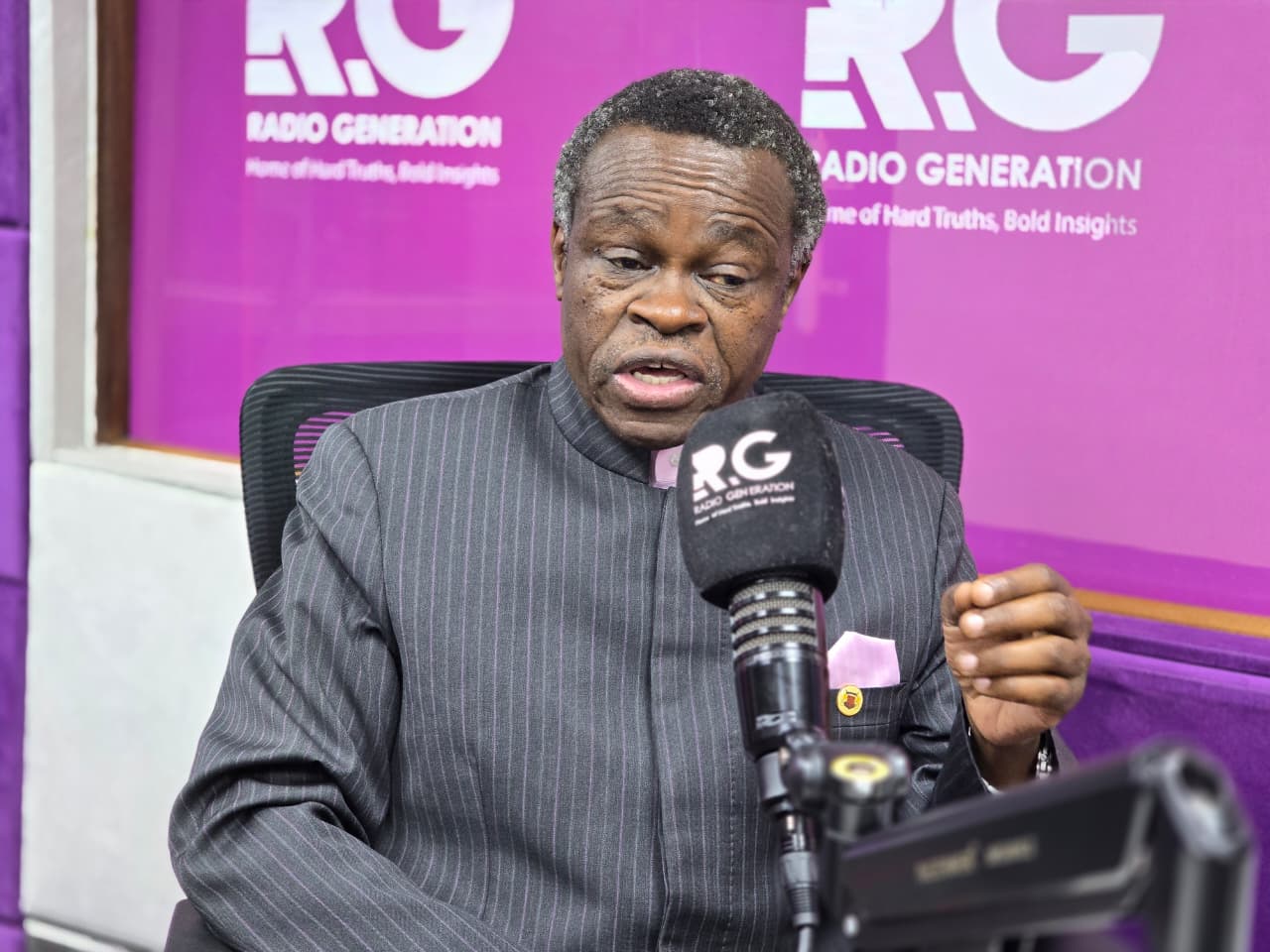
Advocate of the High Court of Kenya Prof. PLO Lumumba has faulted the Constituency Development Fund for weakening Kenya’s democracy, saying it has turned public resources into a political tool used by elected leaders to secure loyalty and remain in power.
Speaking during an interview on Radio Generation on Tuesday, Lumumba said the fund, which is meant to support development at the grassroots, has instead reshaped politics into a system driven by handouts rather than ideas or leadership vision.
“The CDF has become a slush fund for members of parliament and for all categories of elected individuals… this is not your money. It is our money,” he said.
According to Lumumba, the problem lies in the way politicians preside over public funds and then present themselves as generous benefactors, earning praise for distributing money that belongs to taxpayers. He said this has confused voters into mistaking access to funds for good leadership.
He observed that many leaders build political goodwill by issuing bursaries or handing out small items during public gatherings, actions that are often celebrated without scrutiny.
“Somebody goes into a public rally to distribute bursaries, and we say this is a very good member of parliament, because he’s distributing your money,” Lumumba said.
He added that some elected leaders go further by hiring pollsters to brand them as top-performing MPs or governors, even though the basis of such rankings is rarely clear to the public.
Lumumba warned that this culture has lowered expectations among voters, making it hard for candidates who offer ideas, policies, or long-term plans to gain support.
“If you got into an electoral area with ideas… they laugh you out,” he said, recalling a case where voters openly told a candidate: “Just give us money.”
He argued that politics built on handouts has pushed policy debates and development planning to the margins, replacing them with short-term exchanges that do not address real challenges facing communities.
The legal scholar also took aim at Kenya’s political party system, saying the country lacks genuine political parties. Instead, he said, what exists are temporary political formations created under the Political Parties Act and used for convenience.
He pointed to frequent political realignments, where leaders shift between alliances such as Jubilee, Kenya Kwanza, and NASA, not because of shared values, but to survive politically and avoid accountability.
According to Lumumba, incumbents benefit the most from this system because they enjoy access to public funds, which are then used indirectly for political gain. Challengers, he said, are left to rely on personal resources, creating an uneven playing field.
He compared the situation to pork-barrel politics in the United States, noting that sitting leaders often treat public money as if it were their own.
“The incumbent already has public funds, which he is using as if they were his own,” Lumumba said.
He explained that this is why public projects are frequently branded with images or names of politicians, giving voters the impression that leaders are personally delivering development rather than fulfilling their duties.
Lumumba also warned that similar handout-based economic programmes are likely to fail, predicting high collapse rates among businesses funded through poorly planned public financing.
He dismissed such approaches as “voodoo economics,” arguing that distributing money at rallies without clear business plans, follow-up, or accountability is “the way not to do things in the 21st Century.”
According to Lumumba, the continued misuse of CDF and related funds has deepened ethnic alliances, weakened fair political competition, and reduced leadership contests to transactions.
He warned that unless the culture changes, Kenya risks remaining trapped in a system where access to money, not ideas or competence, determines who gets elected.



























Comments
Sign in with Google to comment, reply, and like comments.
Continue with Google